


The dramatic hypothetical of a United States military operation to remove Venezuela’s leader, Nicolas Maduro, has sparked intense debate regarding international law, sovereignty, and the future of global power dynamics. This imagined scenario, where the White House claims to have apprehended Maduro and installed a transitional government, forces us to question Why US intervenes in Venezuela and what the true motivations and ramifications of such actions might be. The narrative suggests a swift, decisive move by Washington, ostensibly to address narco-terrorism charges against Maduro and his wife, Cilia Flores, in New York.
Donald Trump, in this hypothetical, declares his administration’s intent to govern Venezuela until a “safe, proper and judicious transition” can occur. He implies that Maduro’s second-in-command, Delcy Rodriguez, would oversee this period, positioning her as willing to “make Venezuela great again.” Notably, Trump dismisses key opposition figures like María Corina Machado and entirely overlooks Edmundo González Urrutia, whom the US itself recognized as the true president-elect in the disputed 2024 election. This selective engagement raises concerns about the genuine commitment to democratic principles versus other strategic interests.
A significant driver behind this aggressive stance, as articulated by Trump, is the vast oil wealth of Venezuela. He openly expresses a desire for “very large US oil companies” to invest billions, revitalize the “badly broken oil infrastructure,” and extract “a tremendous amount of wealth.” This candid admission immediately shifts the focus from humanitarian or democratic intervention to economic exploitation, fueling skepticism about the altruistic nature of such an operation and connecting it directly to US economic imperatives.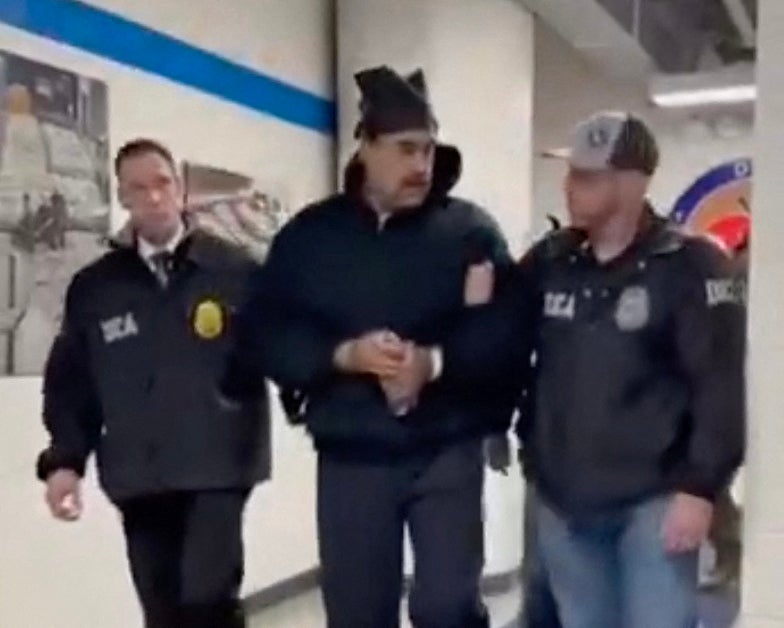
However, the reality on the ground, even within this hypothetical framework, quickly complicates Trump’s narrative. Delcy Rodriguez, in a televised address, denies any cooperation with the US government, firmly stating that Maduro remains the only president. This defiance highlights the potential for internal resistance and challenges the notion of a smooth, externally managed transition, suggesting that even a military intervention might not easily reshape the deeply entrenched political landscape.
What is the primary motivation for US intervention in Venezuela? The answer is multifaceted, often presented as a blend of combating narco-terrorism, restoring democracy, and addressing humanitarian crises, but critically underpinned by strategic economic interests, particularly access to Venezuela’s vast oil reserves and regional geopolitical influence, as hinted by presidential statements.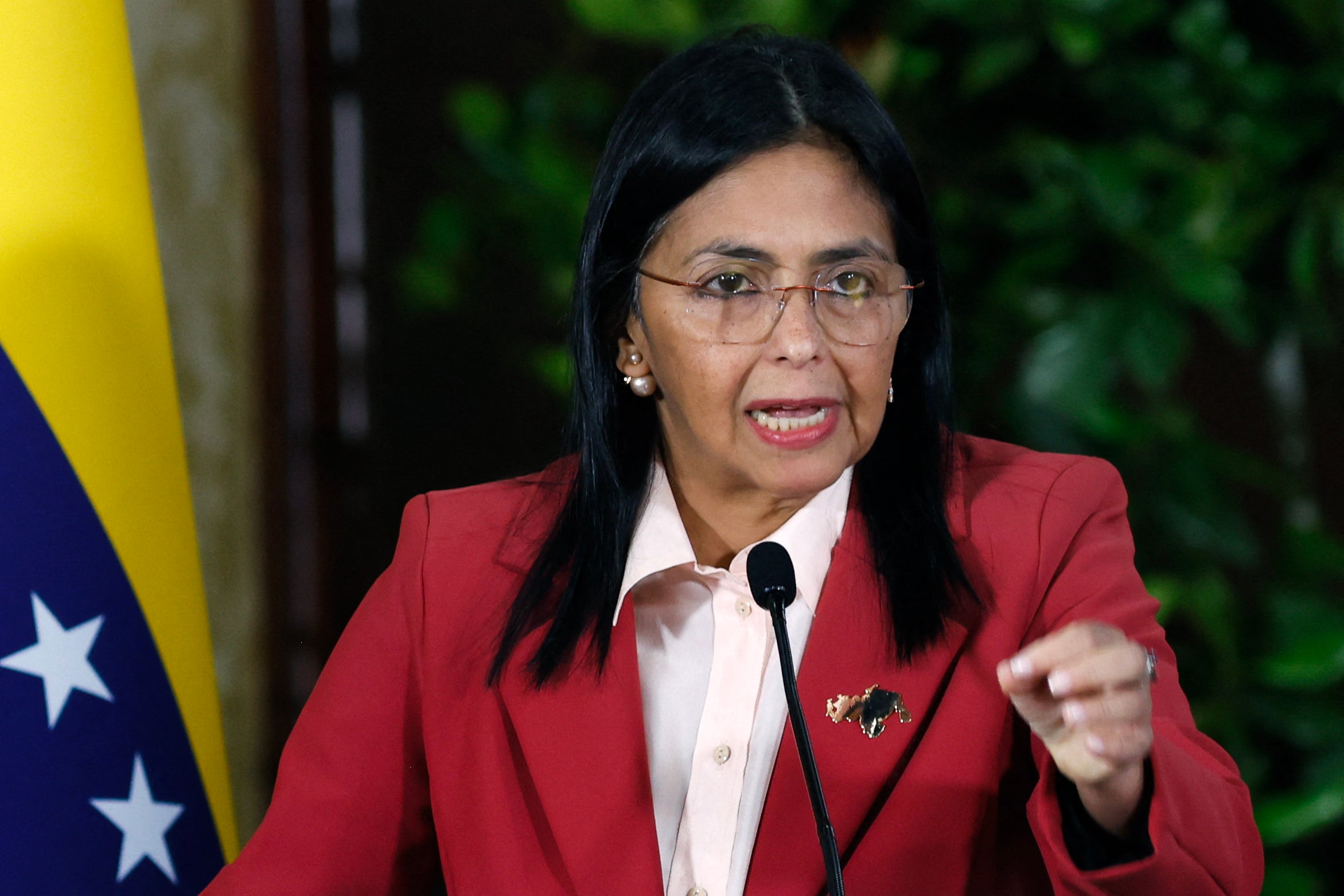
Bombing a sovereign state and capturing its leader, regardless of the leader’s authoritarian or criminal nature, represents a profound breach of international law and global order. The “butterfly effect” of such an intervention, especially given Maduro’s established connections with Russia and Iran, could trigger unprecedented conflict and crisis on a global scale. The pursuit of regime change, particularly when openly linked to resource acquisition, sets a dangerous precedent for international relations and the respect for national sovereignty.
The Venezuelan people, caught between an internally imposed authoritarian system and a potentially externally managed one, deserve a just and democratic leadership. Analysts like María Corina Roldán Robles express deep concerns that such an intervention merely shifts power from one form of authoritarianism to another, emphasizing that “oil cannot be the organising principle of a political transition.” This perspective argues against a “clean break” but rather a “reconfiguration of power mediated by the US, that sustains all the old figures.”
Ana María Diez, head of a major coalition of Venezuelan civil society organizations, points out the frustration among many Venezuelans who perceive “no power vacuum.” She asserts that the people “overwhelmingly voted and elected” Edmundo González Urrutia, advocating for his immediate swearing-in alongside María Corina Machado as vice president, reflecting the true “will of the people.” This highlights the disconnect between external intervention and the internal democratic aspirations of the populace.
Carlos Lizarralde, a prominent Venezuelan author, further clarifies that beyond the physical removal of Maduro, no true transition has occurred. The Chavista government and army maintain control, with figures like Delcy Rodríguez and her brother Jorge, president of the legislature, remaining defiant and unified. This demonstrates the resilience of the existing power structure and the complexity of imposing external solutions without internal buy-in.
Trump’s hypothetical “Don-roe doctrine,” a twist on the 200-year-old Monroe Doctrine, underscores America’s historical claim to influence in Latin America. While Trump may prove capable of firing shots in the region, controlling all outcomes remains elusive. The profound stakes for peace, justice, and the very fabric of international relations underscore the gravity of any US intervention in Venezuela and its far-reaching consequences for the global community.
Ultimately, the question of Why US intervenes in Venezuela is not just about a single nation’s political fate, but about the delicate balance of power, the sanctity of international law, and the potential for a new era of geopolitical instability driven by resource interests and unilateral action. The ripple effects of such a bold move would undoubtedly reshape global order for years to come.




![[post_title]](https://samony.com.ng/wp-content/uploads/2026/01/1767521648_Marc-Marquez-just-one-win-away-from-100-and-three-300x200.jpg?lm=695A3D72 "Breaking: Marc Marquez Nears Key MotoGP Record")



