Former UK Prime Minister Sir Tony Blair has announced his participation in Donald Trump’s ambitious Gaza “Board of Peace,” a significant development in the complex landscape of Middle East diplomacy. This newly formed board is tasked with the monumental responsibility of overseeing Gaza’s rebuilding efforts and guiding the region towards a new administrative structure. Understanding what is Trump’s Gaza Peace Plan is crucial for anyone following international efforts to stabilize the volatile region after years of conflict. Blair expressed his honor at being appointed to this executive board, signaling a high-profile, bipartisan push for peace.
The “Board of Peace,” personally selected and chaired by Donald Trump, comprises a diverse group of influential figures. Key members include Secretary of State Marco Rubio, Trump’s son-in-law Jared Kushner, and now Sir Tony Blair. Their collective experience spans diplomacy, development, infrastructure, and economic strategy, reflecting the multifaceted challenges of post-conflict reconstruction. This initiative aims to bring fresh perspectives and robust leadership to an area desperately in need of stability and economic revitalization.
What is Trump’s Gaza Peace Plan? It is a comprehensive 20-point strategy designed to facilitate the rebuilding of Gaza and establish a new governing administration. The plan outlines specific portfolios for board members, focusing on governance capacity-building, regional relations, reconstruction, investment attraction, and large-scale funding mobilization. This framework seeks to create long-term stability and prosperity in the region.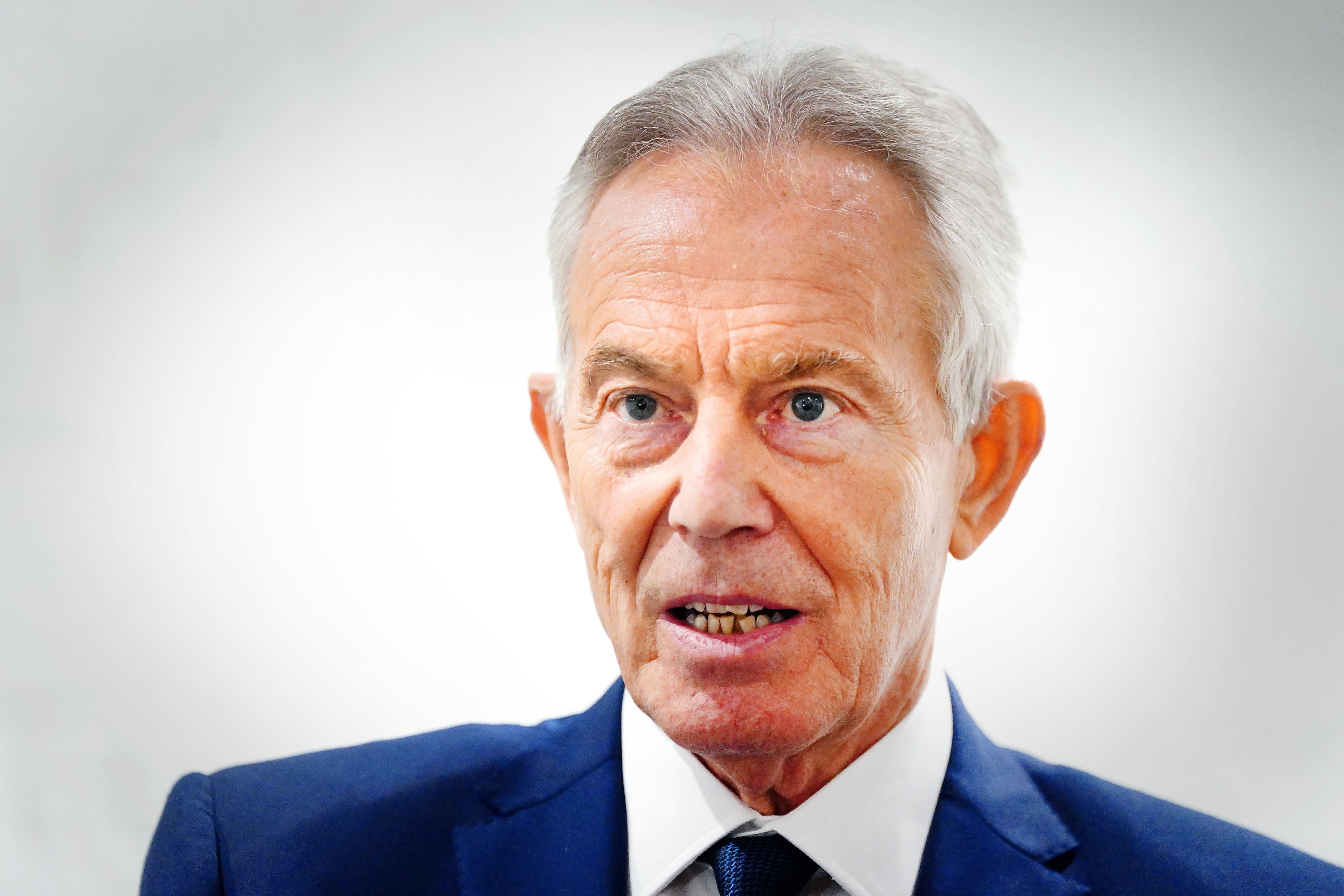
Sir Tony Blair conveyed his gratitude and enthusiasm for the role, stating, “I thank President Trump for his leadership in establishing the Board of Peace and am honoured to be appointed to its executive board.” He acknowledged the privilege of collaborating with Steve Witkoff and Jared Kushner, praising their team. Blair emphasized his commitment to working with colleagues to advance the president’s vision for promoting peace and prosperity, calling the 20-point plan an “extraordinary achievement” that demands immense dedication.
Blair’s inclusion on the board has drawn attention, partly due to his historically divisive role in the Middle East. His involvement in the 2003 invasion of Iraq remains a contentious point, impacting perceptions of his tony blair middle east role effectiveness. Later, as a representative of the Quartet – a group dedicated to Israeli-Palestinian peace – he was eventually deemed too close to Israel, leading to his stepping down. This past history adds a layer of complexity to his current appointment, prompting scrutiny of his potential impact on the peace process.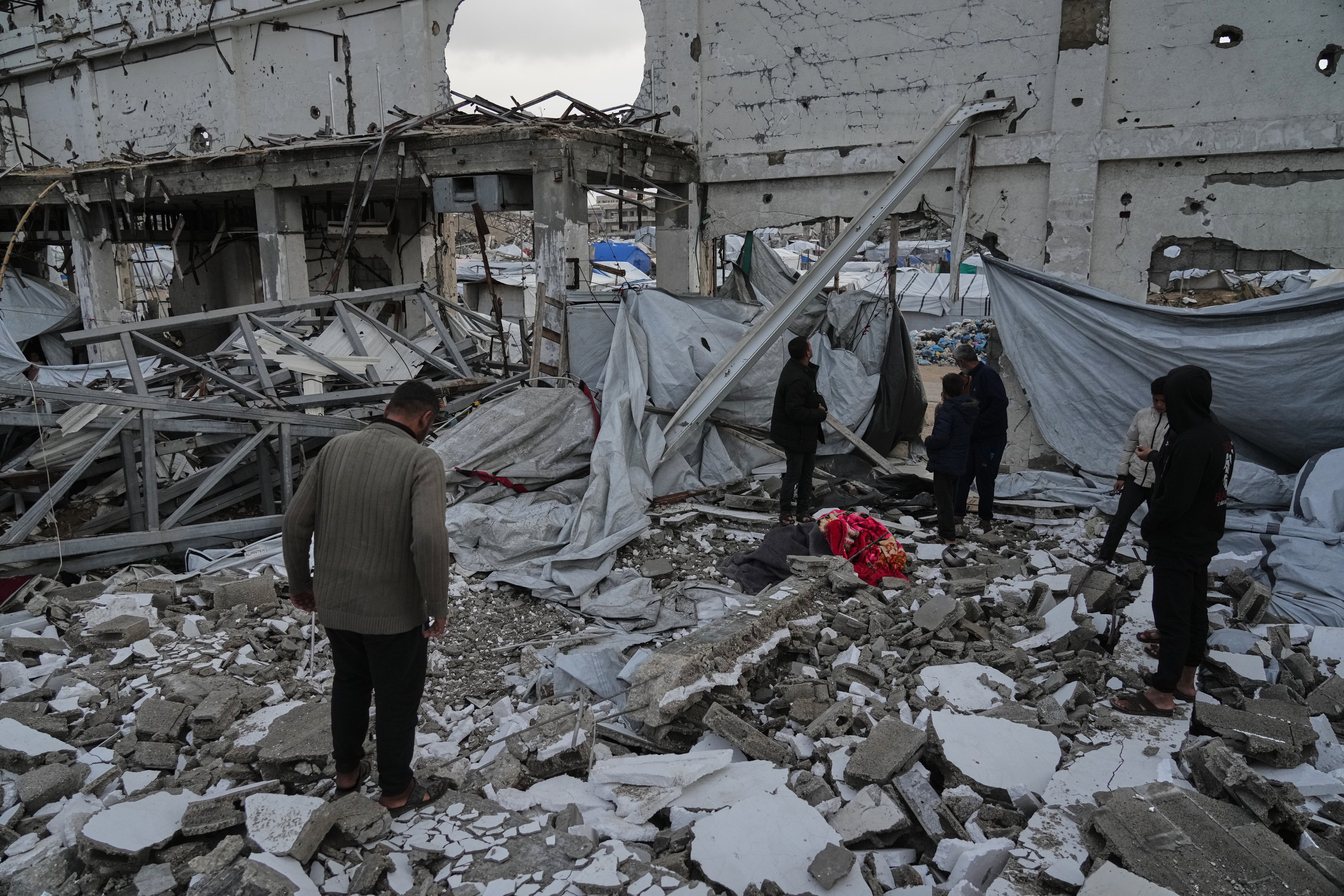
Beyond Trump, Blair, Rubio, and Kushner, the board includes other notable figures such as World Bank president Ajay Banga, Marc Rowan, Robert Gabriel, and U.S. Special Envoy to the Middle East Steve Witkoff. Each of these Executive Board members is designated to oversee a specific portfolio crucial for Gaza’s long-term success. These responsibilities range from fostering governance capacity and regional relations to driving reconstruction efforts, attracting investment, and mobilizing significant capital, ensuring a holistic approach to the region’s recovery.
The board’s primary focus on rebuilding Gaza highlights the urgent need for a structured approach to post-conflict recovery. Discussions around how to rebuild gaza after conflict involve intricate logistical, financial, and political considerations. The widespread destruction necessitates massive infrastructure projects, humanitarian aid, and the establishment of stable governance. The Board of Peace aims to streamline these efforts, bringing together international expertise and resources to create sustainable solutions for the region’s inhabitants.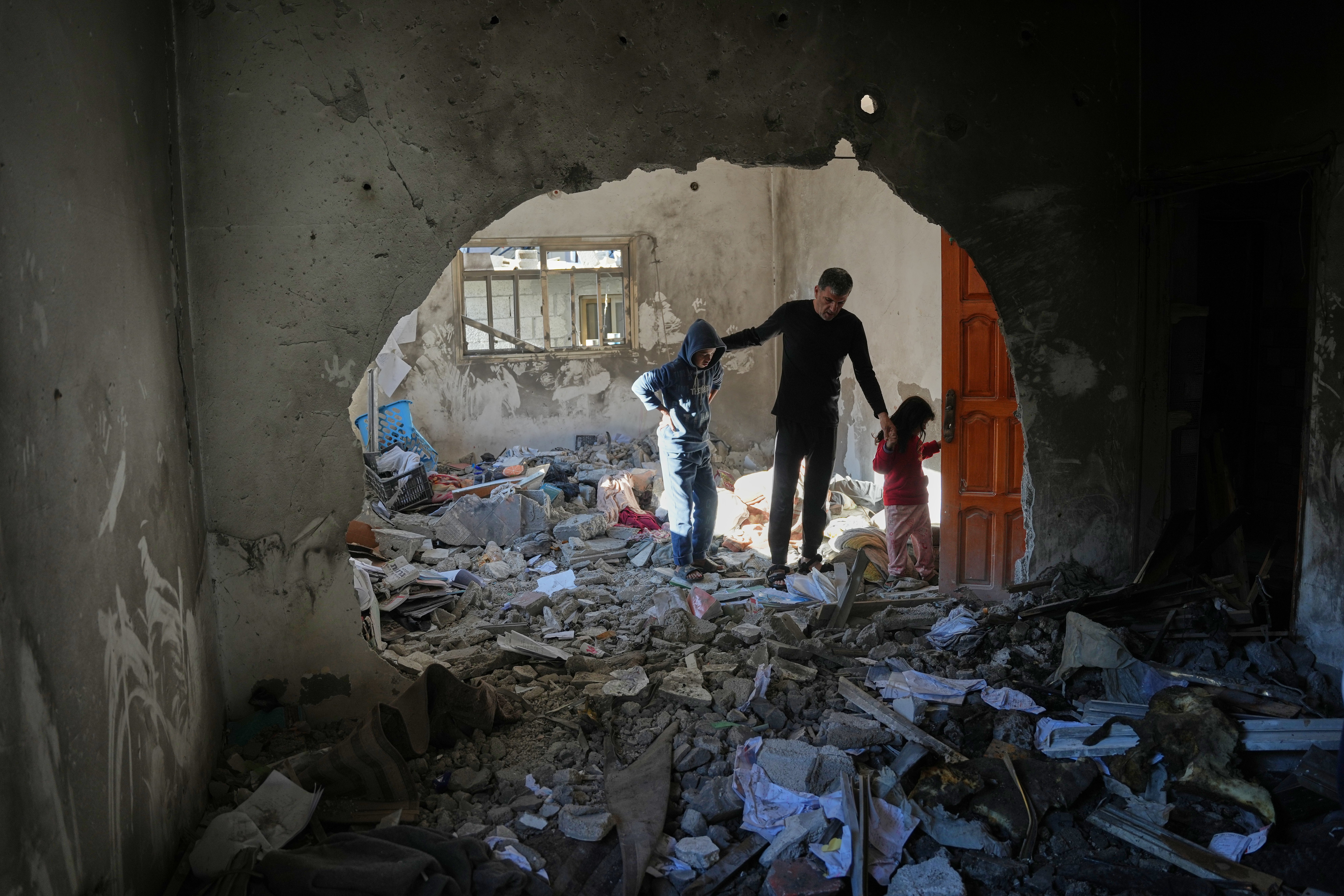
Against the backdrop of this new initiative, a comparison of the trump gaza plan vs biden policy reveals differing approaches to Middle East peace. While the Biden administration has pursued more traditional diplomatic channels and humanitarian aid, Trump’s plan signifies a more direct and potentially disruptive intervention by a former president. This contrast underscores the varied political philosophies at play in addressing one of the world’s most enduring conflicts, each with its own set of challenges and opportunities for regional stability.
For those seeking a practical understanding, a comprehensive gaza reconstruction guide would detail the immediate and long-term steps required. This would encompass everything from debris removal and temporary housing to establishing permanent infrastructure, healthcare facilities, and educational institutions. The Board of Peace’s mandate to oversee these areas emphasizes the need for meticulously planned strategies, effective resource allocation, and sustained international cooperation to transform Gaza’s landscape and improve living conditions.
Recent developments, often highlighted in tony blair gaza news and broader trump middle east update reports, indicate a fragile ceasefire between Israel and Hamas, which took effect months ago, ending a period of intense fighting. While the ceasefire has largely held, accusations of ongoing violations persist from both sides. The release of most hostages held in Gaza in exchange for Palestinian prisoners marked a critical turning point, yet the return of the remains of the last Israeli hostage remains a key demand from Prime Minister Benjamin Netanyahu, underscoring the delicate nature of the current peace.
Understanding the broader context of middle east peace strategies for beginners involves recognizing the historical complexities, geopolitical interests, and diverse cultural narratives at play. The region’s stability hinges on more than just ceasefires; it requires sustained dialogue, economic development, and a commitment to human rights. Initiatives like Trump’s Board of Peace, despite their controversial elements, represent attempts to navigate these intricate challenges and foster a more peaceful future, offering a starting point for deeper engagement.
Looking towards the future, a detailed gaza peace plan 2026 guide would project the long-term vision for the territory, outlining milestones for economic recovery, governance, and social development. Similarly, the middle east stability outlook 2026 provides a crucial perspective on the region’s trajectory, considering various political, economic, and social factors. These forward-looking analyses are essential for sustained peace efforts, ensuring that immediate reconstruction is part of a broader, enduring strategy for stability.
The formation of Donald Trump’s Gaza “Board of Peace,” with Sir Tony Blair’s involvement, represents a bold, if controversial, new chapter in the ongoing efforts for Middle East peace. The challenges are immense, from rebuilding infrastructure to fostering trust among deeply divided factions. Yet, the commitment to addressing what is Trump’s Gaza Peace Plan and implementing its ambitious goals signals a renewed focus on achieving a durable resolution and bringing much-needed prosperity to the people of Gaza. Success will depend on unwavering commitment and effective collaboration.