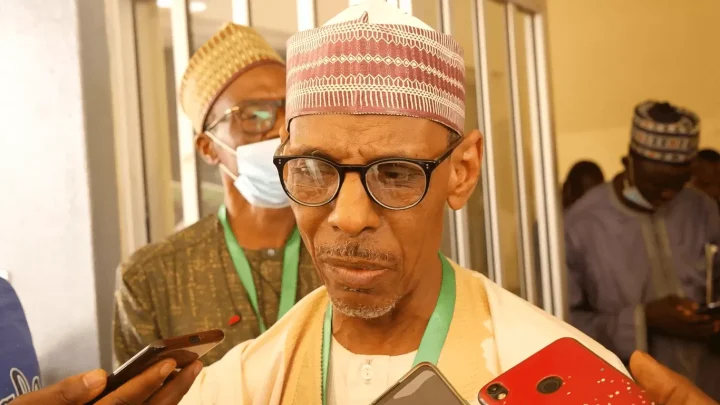
The Independent National Electoral Commission (INEC) has once again opened its doors for a crucial exercise, marking the second phase of nationwide voter registration. This initiative is fundamental for upholding democratic principles in Nigeria, ensuring every eligible citizen has the opportunity to participate in future elections. Understanding the process of INEC voter registration is paramount for millions of Nigerians aiming to cast their vote and shape the nation’s trajectory. This renewed drive by INEC underscores the continuous effort to update and expand the national voters’ register, preparing for significant electoral events ahead. The importance of this phase of INEC voter registration cannot be overstated.
INEC, as Nigeria’s electoral body, is tasked with organizing and overseeing free, fair, and credible elections. A cornerstone of this responsibility is maintaining an accurate and comprehensive register of voters. The continuous voter registration exercise is not merely a formality; it is a constitutional mandate designed to capture new eligible voters, update existing records, and allow for transfers of polling units. This ongoing process helps to ensure that the electoral roll reflects the current demographics and residency patterns across the country, minimizing discrepancies during election periods. Every step in the INEC voter registration process is designed to enhance electoral integrity.
What is continuous voter registration Nigeria? Continuous Voter Registration (CVR) in Nigeria is an ongoing process by the Independent National Electoral Commission (INEC) that allows eligible citizens to register to vote, update their details, or transfer their polling units outside of specific election periods. It ensures the voters’ register remains current and inclusive.
The current phase of registration follows an initial round that concluded recently, involving both online pre-registration and subsequent physical enrolment. This dual approach offers flexibility, prompting many citizens to consider the benefits and drawbacks of INEC voter registration online vs physical methods. While online pre-registration offers convenience, reducing wait times at physical centers, the in-person biometric capture remains a mandatory step for all registrants to finalize their enrollment and acquire their Permanent Voter’s Card (PVC). INEC’s phased approach allows for systematic data collection and verification, making the overall INEC voter registration more efficient.
For those wondering how to register for INEC voter’s card, the process has been streamlined to be as accessible as possible. Prospective voters typically begin by visiting the INEC CVR portal to pre-register their details, including personal information, address, and contact specifics. Following this online step, a visit to an designated physical registration center is required for biometric data capture, such as fingerprints and facial photographs. This crucial biometric verification ensures the integrity of the voter’s register by preventing duplicate registrations and confirming identity. This comprehensive approach forms the core of any INEC voter registration guide Nigeria.
Navigating the INEC voter registration process effectively can save time and prevent common pitfalls. Some valuable voter registration tips Nigeria include gathering all necessary identification documents, such as a national identity card, before starting the online pre-registration. It is also advisable to confirm the nearest and most convenient physical registration center and its operating hours. Arriving early can help avoid long queues, especially as deadlines approach. Double-checking all entered information for accuracy is also critical to prevent issues with your voter’s card or during election day. Staying informed through official INEC channels for updates on INEC voter registration is also highly recommended.
The resumption of INEC voter registration is particularly timely, given the dynamic political landscape and ongoing discussions captured in Nigeria election news today. Active participation in this exercise directly contributes to strengthening Nigeria’s democratic institutions. A robust and verifiable voter register is essential for credible elections, reflecting the true will of the populace. This process not only empowers citizens but also sends a clear message about the public’s commitment to democratic governance and accountability. Ensuring broad participation helps to legitimize electoral outcomes and foster greater trust in the political system through effective INEC voter registration.
Many citizens possess older voter cards or have registered in previous cycles and might question the relevance of the new exercise. The distinction between old voter’s card vs new INEC registration is important. While previously issued PVCs remain valid, the CVR allows individuals to update their details, transfer polling units if they have moved, or rectify any errors on their existing cards. It is not necessarily about replacing a valid old card but ensuring your current details are accurate and your polling unit is convenient for you. INEC encourages all registered voters to verify their details, even if they completed INEC voter registration previously, to ensure accuracy.
Looking ahead, the successful completion of this phase of INEC voter registration is crucial for preparing for future electoral cycles, including any potential by-elections and the significant general elections. Planning for INEC voter registration 2026 is already implicitly underway through these continuous efforts. An accurate and updated register is the bedrock upon which all future electoral preparations will rest. Therefore, the ongoing CVR exercise is not just about the immediate future but also about laying a solid foundation for a comprehensive Nigeria election guide 2026, facilitating a smooth and transparent electoral process for years to come.
Citizens are urged to pay close attention to the INEC voter registration latest update provided by official channels. Information regarding specific registration centers, operational hours, and any temporary suspensions, such as those that occurred in Anambra State and the Federal Capital Territory due to election-related activities, is regularly disseminated. Staying informed ensures that individuals can plan their registration visit efficiently and avoid unnecessary trips. These updates often include details on the number of registrants, gender distribution, and other key statistics, offering transparency into the INEC voter registration process.
The Independent National Electoral Commission’s renewed call for nationwide voter registration represents a pivotal moment for Nigerian democracy. It is an opportunity for millions to assert their civic right and responsibility. Whether you are a first-time voter, need to update your details, or wish to transfer your polling unit, engaging with this process is essential. Every completed INEC voter registration strengthens the integrity of the electoral system and empowers citizens to participate actively in shaping their government and future. Do not miss this vital window to ensure your voice is heard.
Ultimately, the success of Nigeria’s democratic journey heavily relies on the active engagement of its citizenry through processes like INEC voter registration. By making the effort to register or update their details, Nigerians are not just fulfilling a civic duty; they are investing in the nation’s future, ensuring that the electoral process remains robust, credible, and truly representative of the people’s will. The continuous efforts by INEC to facilitate this underscores the profound importance of every single vote.
Keywords: how to register for INEC voter's card, what is continuous voter registration Nigeria, INEC voter registration online vs physical, old voter's card vs new INEC registration, INEC voter registration guide Nigeria, voter registration tips Nigeria, INEC voter registration latest update, Nigeria election news today, INEC voter registration 2026, Nigeria election guide 2026