


The Australian Technical Advisory Group on Immunisation (ATAGI) has issued crucial new advice regarding the measles vaccine for babies travelling overseas. This updated guidance aims to bolster protection for infants aged six to eleven months, recommending an additional dose of a measles-containing vaccine before international trips. This proactive measure is designed to offer temporary immunity during periods of heightened exposure risk, particularly as global measles outbreaks continue to pose a significant threat to unvaccinated individuals.
Measles remains a serious public health concern, with outbreaks frequently reported in many popular tourist destinations, including Indonesia. These overseas-acquired infections have directly contributed to a concerning rise in measles cases within Australia, highlighting the need for enhanced preventative strategies for vulnerable populations like travelling infants.
What is the ATAGI measles advice for travelling infants? The answer is that ATAGI now recommends an additional measles-containing vaccine dose for infants aged six to eleven months prior to international travel. This early dose provides temporary protection against measles during increased exposure risk abroad, supplementing but not replacing the routine National Immunisation Program schedule.
The scale of the issue is clear. According to data from the National Notifiable Disease Surveillance System, Australia reported 180 measles cases in 2025, a significant increase from 57 cases in 2024. While only four cases have been reported so far this year, public health alerts have already been issued across multiple states, underscoring the ongoing risk.
Professor Michael Kidd, Australia’s chief medical officer, emphasized the paramount importance of vaccination against measles. He stated in recent ATAGI measles advice news that the MMR vaccine offers exceptional protection, with two doses providing 99% immunity against illness and severe complications. This reinforces the core message that vaccination is the most effective defense.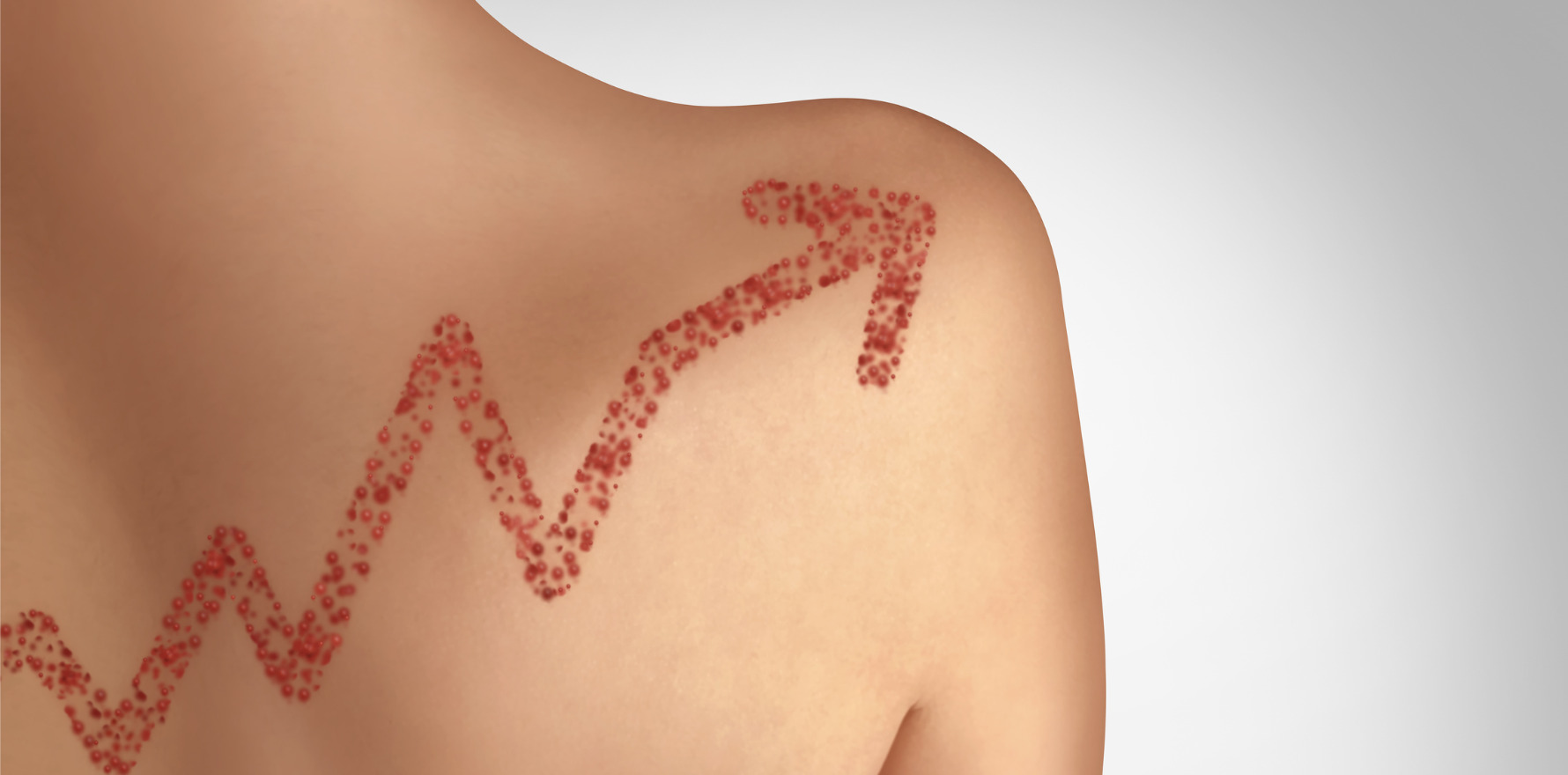
Understanding the distinction between the routine measles vaccine schedule vs travel vaccine is vital for parents. The additional pre-travel dose for infants aged six to eleven months is a supplementary measure. It does not replace the standard doses provided under the National Immunisation Program at 12 and 18 months of age, which remain crucial for long-term immunity.
The MMR vaccine is generally provided free of charge for children at 12 and 18 months, for individuals under 20 needing catch-up vaccinations, and for refugees. While specific eligibility for funded vaccination may vary by jurisdiction, parents should consult their healthcare provider to discuss options for their travelling infants.
General practitioners play a critical role in this measles protection guide for infants and older individuals. They are encouraged to proactively assess measles immunity, especially in children over 12 months, adolescents who might have missed doses, and adults born after 1966 without two documented doses. This holistic approach ensures broader community protection.
For parents wondering how to protect baby from measles with an early dose, ATAGI’s advice is specific. If an infant aged six to eleven months receives an MMR dose before travelling, it must be repeated. This means these infants will need two further doses: one at 12 months (or four weeks after the early dose, whichever is later) and the final MMRV dose at 18 months, as per routine recommendations.
Given the recent measles outbreak Australia update and the global situation, an individual risk assessment with a healthcare professional is crucial. This assessment balances factors like travel destination, duration, and likelihood of exposure to determine the most appropriate vaccination strategy for each infant.
The what is MMR vaccine question is fundamental to understanding this advice. The MMR vaccine protects against Measles, Mumps, and Rubella. While it is highly effective, the early dose for travelling infants provides crucial temporary immunity when their immune systems are still developing and they are exposed to higher risks abroad, bridging the gap until their routine vaccinations.
Looking ahead, parents planning future international trips should consider an infant travel vaccine guide 2026 as part of their preparations. Proactive discussions with healthcare providers well in advance of travel can ensure infants receive all necessary protections, aligning with the latest recommendations.
The continued vigilance against measles, both locally and internationally, underscores the interconnectedness of global health. By following expert advice like that from ATAGI, families contribute not only to their children’s safety but also to broader efforts to control and eventually eliminate this highly contagious disease.
Ultimately, ensuring adequate protection against measles, particularly the measles vaccine for babies travelling, is a key priority for public health authorities. Adhering to ATAGI’s updated recommendations provides a critical layer of defense for infants venturing into regions where measles remains a persistent threat.





![Regina Daniels threatens lawsuit against Ned Nwoko after testing negative for drugs [VIDEO]](https://samony.com.ng/wp-content/uploads/2026/01/Regina-Daniels-threatens-lawsuit-against-Ned-Nwoko-after-testing-negative.jpg?lm=695E79C6 "Breaking: Regina Daniels Friend Ann’s Release & Alleged Theft Explained")

