


The recent devastating landslide near Mount Maunganui, New Zealand, serves as a stark reminder of nature’s unpredictable power and the critical need for proactive safety measures. As rescue efforts continue amidst the debris and ongoing heavy rainfall, communities across the North Island are grappling with the aftermath of what has been described as a “war zone.” This tragic event underscores the vital importance of a robust New Zealand emergency preparedness guide, offering essential insights into understanding and mitigating the risks associated with such natural disasters. It is crucial for both residents and visitors to comprehend the potential dangers and equip themselves with the knowledge to respond effectively when adverse weather strikes.
Days of record-breaking rain, linked to a powerful tropical weather system, saturated the ground, leading to the collapse of a hillside at a popular holiday campsite. The landslide overturned campervans, crushed tents, and engulfed a toilet and shower block, leaving several people, including at least one child, unaccounted for. First responders initially heard voices calling for help, but the treacherous conditions and risk of further movement forced a temporary withdrawal, highlighting the extreme dangers faced by rescue teams in such environments. This specific incident in the Bay of Plenty region, which recorded its wettest day on record, reflects a broader pattern of increasingly intense weather events affecting the nation.
What is a landslide? A landslide is the movement of a mass of rock, debris, or earth down a slope, often triggered by heavy rainfall, earthquakes, or volcanic activity. They can occur rapidly or slowly, posing significant threats to infrastructure and human life.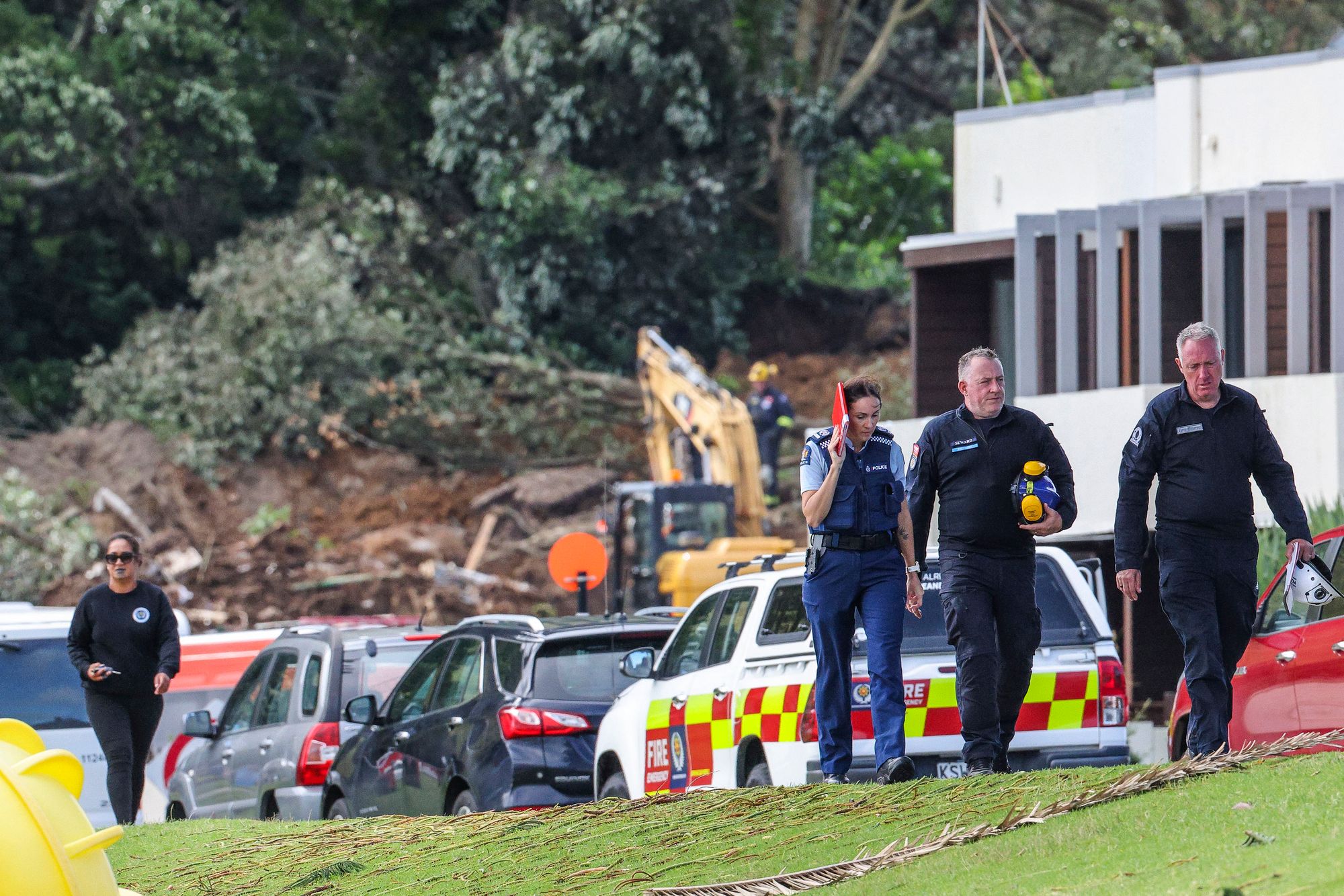
Understanding what causes landslides in New Zealand is fundamental to preparedness. The country’s dynamic geology, characterized by steep terrain, active fault lines, and often soft, saturated soils, makes it particularly susceptible. Intense and prolonged rainfall, like that experienced recently, significantly increases the risk by saturating the ground, reducing friction, and adding weight to slopes, making them unstable and prone to collapse. Deforestation and human-induced alterations to landscapes can also exacerbate these natural vulnerabilities, leading to more frequent and severe events.
It is helpful to distinguish between a landslide vs mudslide. While both involve the downward movement of earth, a mudslide is a more specific type of landslide characterized by a rapid flow of water-saturated soil and debris, often resembling a river of mud. Landslides encompass a broader range of movements, including rockfalls, debris flows, and slumps, where the material moves as a cohesive block. Both phenomena can be incredibly destructive and necessitate immediate and informed responses to ensure safety.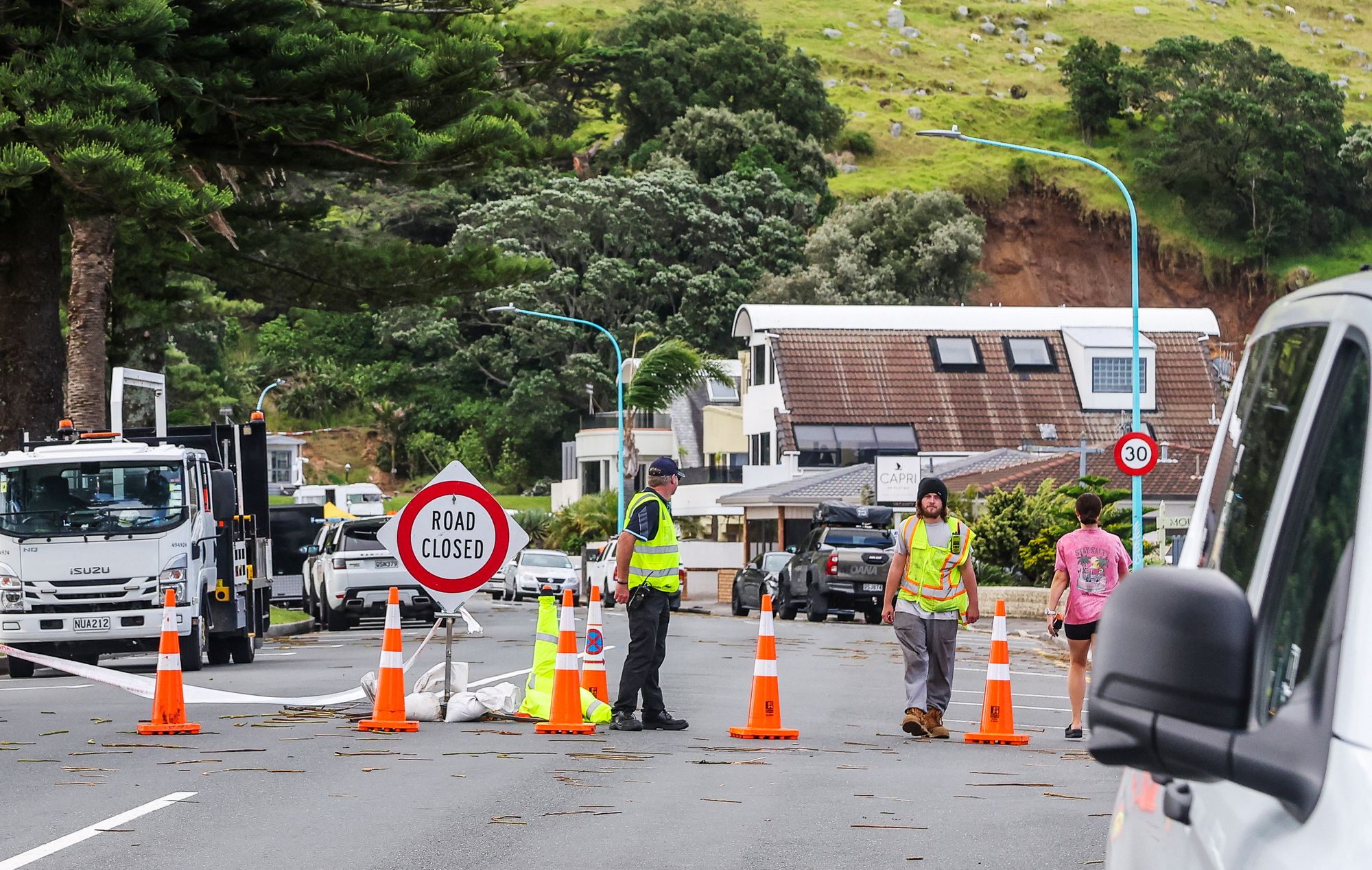
For those residing in or traveling through vulnerable areas, knowing how to prepare for a landslide is paramount. Developing a family emergency plan, identifying evacuation routes, and assembling a survival kit with food, water, and essential supplies are crucial initial steps. Regularly inspecting your property for signs of ground movement, such as cracks in foundations or tilting trees, can provide early warnings. Following official advisories and heeding evacuation orders without delay are among the most important landslide safety tips that can save lives.
Beyond landslides, a comprehensive New Zealand emergency preparedness guide must address the full spectrum of natural hazards, including floods, earthquakes, and tsunamis. The recent events saw local states of emergency declared across multiple regions, with widespread power outages and road closures, showcasing the interconnectedness of these threats. Having a communication plan, knowing where to find official information, and understanding the “get ready” guidelines from the National Emergency Management Agency are essential for building resilience in the face of any crisis.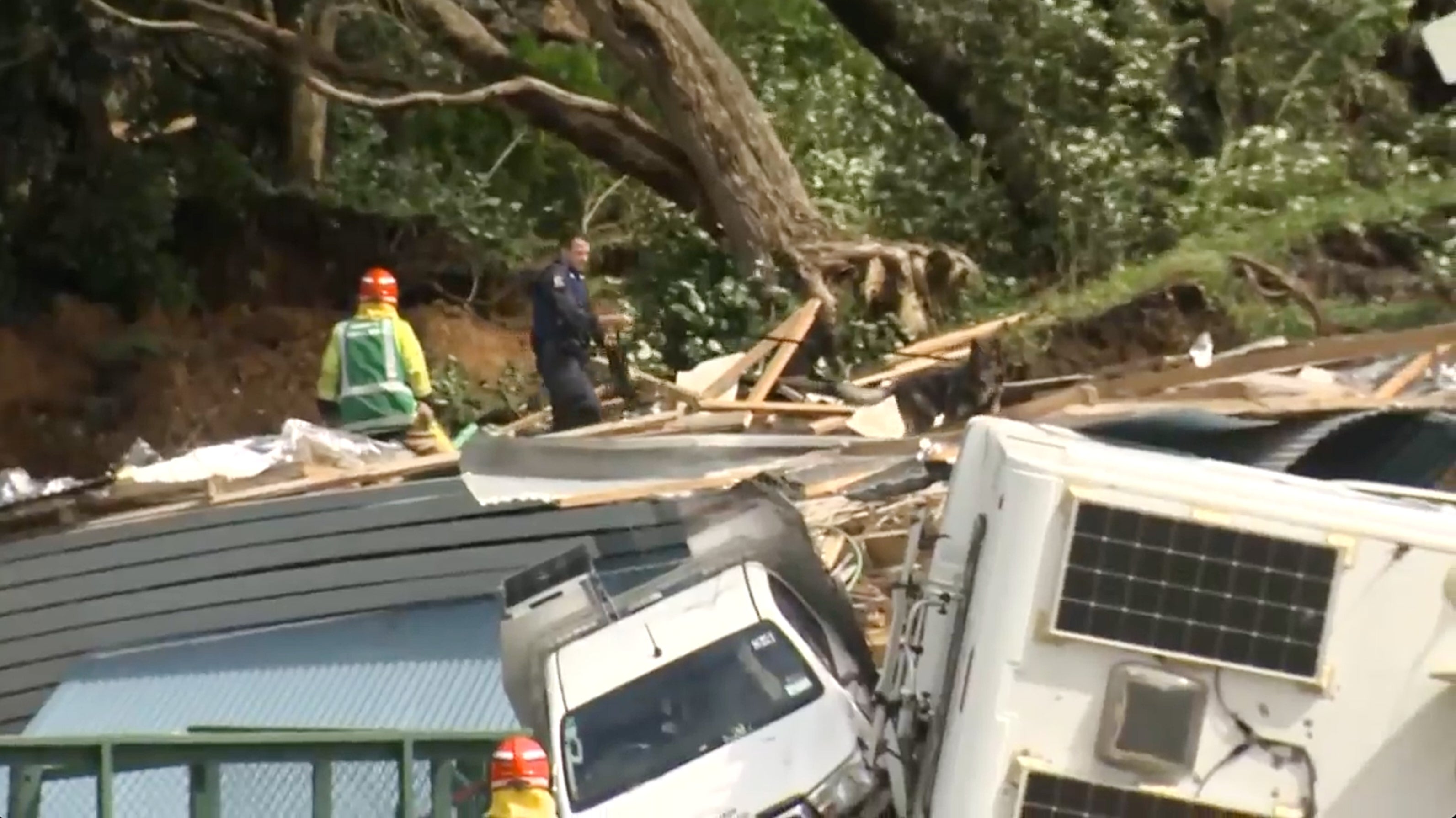
The scientific community points to a clear link between New Zealand weather vs climate change. Experts like Professor James Renwick of Victoria University of Wellington note that the pattern of increasingly intense rainfall and severe storms aligns precisely with predictions for a warming climate, which holds more moisture in the atmosphere. This means that extreme weather events, once considered rare, are becoming more frequent and severe, putting greater pressure on infrastructure and emergency services. Acknowledging this trend is critical for long-term planning and adaptation strategies.
As communities continue to process the impact of these events, the New Zealand flood news latest reports highlight ongoing challenges, from widespread power outages to submerged homes and continued search operations for missing individuals. The Mount Maunganui recovery efforts will be a protracted process, requiring significant resources and community cooperation to rebuild and restore stability. These real-world impacts serve as a powerful testament to the necessity of sustained vigilance and investment in resilient infrastructure.
Looking ahead, considerations for New Zealand travel safety 2026 will undoubtedly factor in lessons learned from recent disasters, with a focus on enhanced warning systems and clearer guidance for tourists in vulnerable areas. Similarly, the development and implementation of New Zealand climate change policy 2026 will be crucial in addressing the root causes of escalating weather extremes and building a more sustainable and resilient future for the nation. Proactive policy-making can help protect both the environment and its inhabitants from future shocks.
Ultimately, while the recent Mount Maunganui landslide is a somber reminder of nature’s raw power, it also reinforces the collective responsibility to be prepared. A well-understood and regularly updated New Zealand emergency preparedness guide empowers individuals and communities to navigate these challenges with greater confidence and safety. By combining individual vigilance with robust national strategies, New Zealand can strive to mitigate the impact of future disasters and protect its cherished landscapes and vibrant communities.






