


Bodyweight training has emerged as a powerful and accessible fitness solution, allowing individuals to build significant strength and improve overall fitness without the need for expensive gym memberships or specialized equipment. This approach leverages your own body’s resistance, making it an incredibly versatile and cost-effective way to achieve your health goals. Far from a passing fad, the principles of bodyweight training are rooted in fundamental human movement, offering a path to physical prowess that is both natural and highly effective. Many are now discovering how to start bodyweight exercises to transform their physiques and boost their well-being.
What is bodyweight training? The answer is simple: it involves using your own body’s mass as the primary form of resistance to challenge your muscles. This method strengthens and conditions the body through movements like squats, push-ups, and planks, eliminating the need for external weights or machines.
The widespread appeal of bodyweight training stems from its unparalleled convenience and effectiveness. Unlike traditional gym workouts that require specific facilities, bodyweight exercises can be performed virtually anywhere—from your living room to a local park. This flexibility has fueled a significant no gym workout trend, making fitness accessible to everyone regardless of their schedule or financial constraints. It offers a comprehensive approach to fitness, targeting multiple muscle groups simultaneously and enhancing functional strength that translates directly into everyday activities.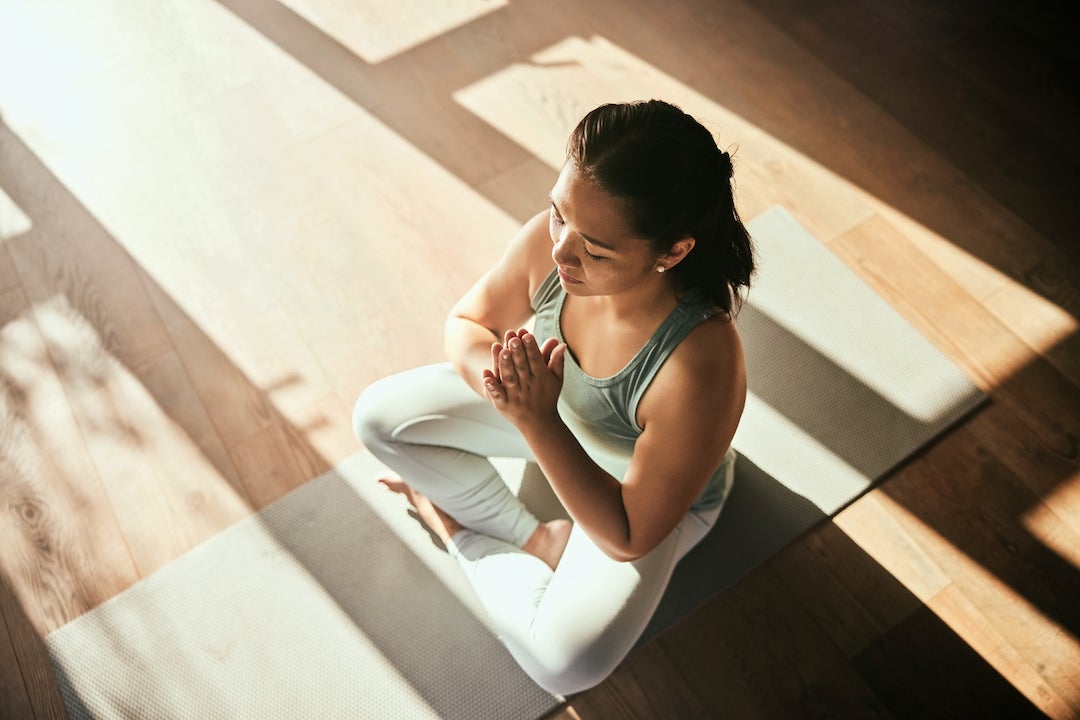
Core to bodyweight training are fundamental movements such as push-ups, squats, lunges, and sit-ups, which form the bedrock of many effective bodyweight training routines. Beyond these basics, the realm of bodyweight exercises expands to encompass various specialized forms, each offering unique benefits and challenges. Understanding these different approaches can help you tailor your fitness journey.
Among the most popular forms is calisthenics, a dynamic style often characterized by circuit-based routines that emphasize functional strength, power, and speed. While distinct, some consider calisthenics vs bodyweight training as a specialization within the broader bodyweight umbrella, focusing on more advanced gymnastic-like movements. Another widely adopted form is yoga, which prioritizes flexibility, balance, and mindful movement, proving highly effective for injury prevention and mental well-being.
Tai Chi offers a slower, controlled approach, enhancing balance and posture, while suspension training utilizes straps for gravity-assisted resistance, suitable for all fitness levels. Even resistance bands, though not strictly bodyweight-only, are a valuable, portable addition, boosting strength and physical function. These diverse methods demonstrate the adaptability of bodyweight principles.
A common question many fitness enthusiasts ponder is bodyweight training vs weightlifting: which method reigns supreme for building strength? While weightlifting allows for precise, heavy external loads to maximize strength gains, bodyweight training excels in developing functional strength, body control, and often, improved mobility. Each has its unique advantages; bodyweight exercises are superior for accessibility and injury prevention, whereas weightlifting might offer a faster route to maximal muscle hypertrophy for some individuals. The optimal choice often depends on personal goals and preferences.
The advantages of incorporating bodyweight workouts into your routine are extensive. Studies have shown that bodyweight training leads to substantial strength gains, comparable to those achieved with free weights or machines, even in older adults. Furthermore, just 11 minutes of bodyweight exercises three times a week can significantly improve aerobic fitness. Its accessibility means common barriers to exercise, like equipment access and facility costs, are eliminated, making it a cornerstone of the ongoing home fitness revolution.
Despite its many benefits, bodyweight training does present certain challenges, particularly concerning progressive overload and the risk of plateaus. Unlike adding more weight to a barbell, increasing difficulty in bodyweight exercises requires creativity, such as slowing tempo, reducing rest, or progressing to unilateral movements. While heavy external loads might be more effective for increasing maximal strength, a well-structured bodyweight workout plan for beginners, incorporating advanced variations and proper form, can continuously challenge muscles and prevent stagnation, ensuring sustained progress.
For those eager to embark on this journey, finding the best bodyweight exercises for beginners is crucial for a safe and effective start. Begin with foundational movements like knee push-ups, assisted squats, and planks, focusing intently on mastering proper form before increasing repetitions or difficulty. Gradually introduce more challenging variations as your strength and confidence grow. Always listen to your body and consider consulting a fitness professional for personalized guidance to ensure safe progression.
As we look towards the future of fitness, the timeless appeal of bodyweight training remains undeniable. Anticipating the best bodyweight workouts 2026, we can expect continued innovation in how these fundamental movements are combined and progressed, alongside smart coaching apps. Developing a comprehensive bodyweight strength guide 2026 will undoubtedly emphasize personalized progression and integration with mindful practices, ensuring it stays at the forefront of accessible and effective fitness strategies.
Ultimately, bodyweight training offers a powerful, flexible, and free pathway to enhanced strength, fitness, and overall well-being. By harnessing the capabilities of your own body, you unlock a portable gym that is always available. With consistency, smart progression, and a commitment to proper form, bodyweight exercises can lead to remarkable transformations, proving that the most effective tools for fitness have been with us all along.








