Making fresh, chewy bagels at home might seem like a daunting task, but with the right steps and a little patience, anyone can master how to make bagels that rival their favorite deli. Forget the store-bought versions; the satisfaction of pulling warm, golden-brown bagels from your own oven is unparalleled. This comprehensive guide will walk you through the essential techniques, ingredients, and secrets to crafting perfect bagels, transforming your kitchen into a genuine artisanal bakery and delighting your taste buds with every bite.
For many, the quintessential bagel experience is defined by a specific style. What is a New York bagel? A New York bagel is characterized by its signature chewy interior and crisp, shiny crust, achieved through a specific preparation method. After proofing, these bagels are briefly boiled in malt-sweetened water, which gelatinizes the starch on the surface, before being baked at high temperatures. This process results in their distinct texture and flavor profile, making them a global culinary icon.
The journey of the bagel is rich with history, originating in 17th-century Poland as a gift for women in childbirth. It later found its true home in New York City, brought by Jewish immigrants. This rich cultural heritage contributes to the appeal of any ultimate bagel guide, highlighting not just a food item, but a culinary tradition passed down through generations. Understanding this background enhances the appreciation for each bite and helps in understanding how to make bagels authentically.
To embark on bagel making for beginners, start with simple, quality ingredients. You’ll need high-protein bread flour, warm water, active dry yeast, a touch of sugar or malt syrup, and salt. The quality of these basic components significantly impacts the final texture and flavor. Avoid cutting corners here; fresh yeast and good flour are your best friends in this endeavor, forming the foundation of how to make bagels successfully.
The first crucial step in how to make bagels is mastering the dough. Combine your dry ingredients, then gradually add warm water, mixing until a shaggy dough forms. Turn it out onto a lightly floured surface and knead vigorously for 10-15 minutes. This develops the gluten, which is essential for that characteristic chewy texture. The dough should become smooth, elastic, and pass the windowpane test, indicating proper gluten development before you proceed with how to make bagels into their final form.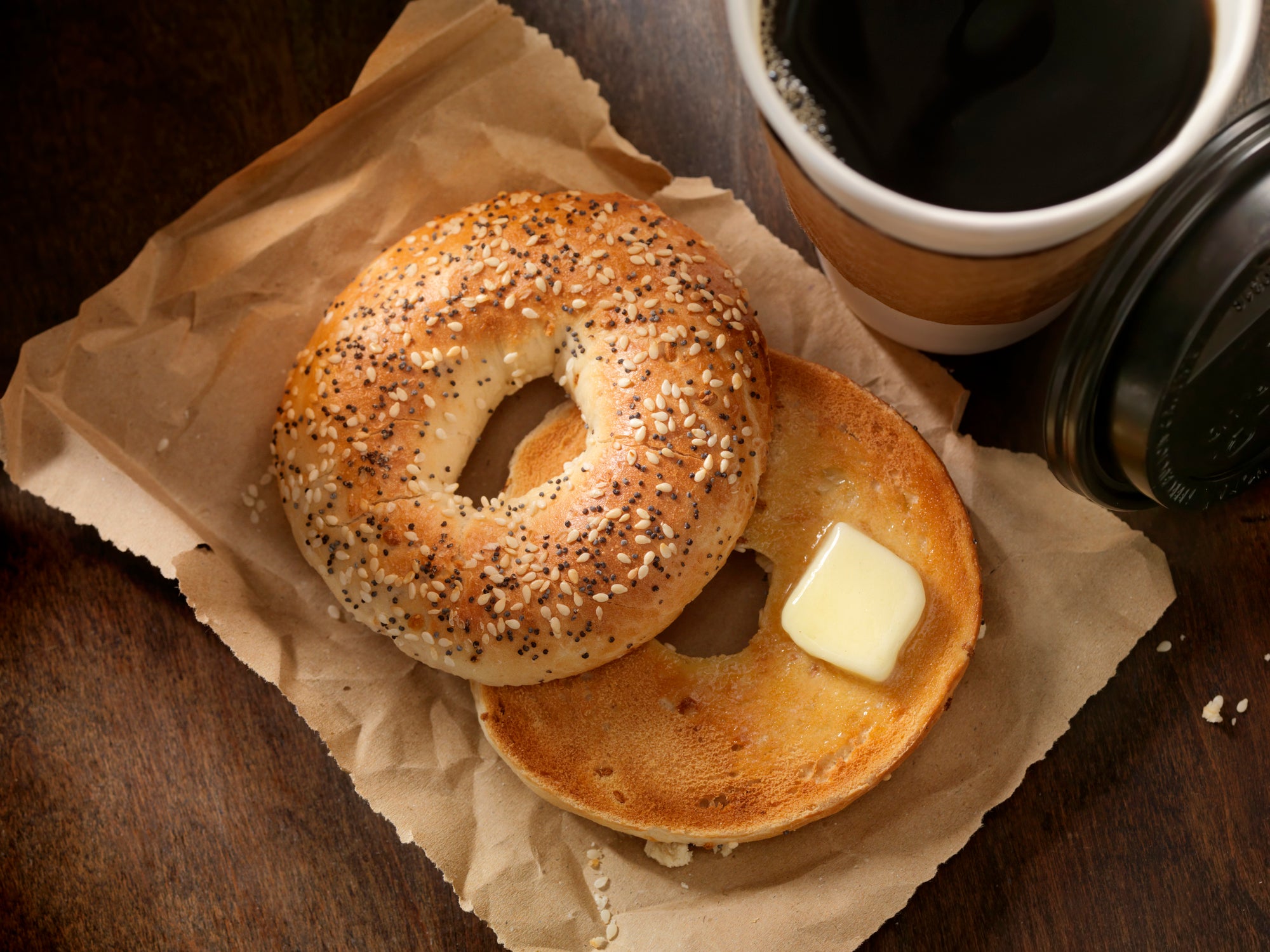
After the initial rise, it’s time to shape your bagels. Divide the dough into equal portions, typically around 4 ounces each. Roll each piece into a smooth ball, then create the hole. You can either poke a hole through the center with your thumb and gently stretch it, or roll the dough into a rope and join the ends. Consistency in shaping ensures even baking and a professional appearance, a key aspect of any bagel making for beginners tutorial, and vital for how to make bagels that look as good as they taste.
The boiling process is what truly distinguishes a bagel from other bread. Prepare a large pot of water with a tablespoon of malt syrup or sugar. Once boiling, gently drop a few shaped bagels into the water. Boil for 30-60 seconds per side. This brief immersion creates the glossy, chewy crust. The difference between a New York bagel vs Montreal bagel often lies in this stage; Montreal bagels are typically boiled in honey-sweetened water, giving them a slightly sweeter taste and a denser crumb, influencing the overall approach to how to make bagels in different styles.
After boiling, drain the bagels thoroughly and place them on a baking sheet lined with parchment paper. This is the perfect time to add toppings if desired, such as sesame seeds, poppy seeds, dried garlic, or dried onion for an everything bagel. Bake in a preheated oven at a high temperature, around 425-450°F (220-230°C), for 15-20 minutes, or until golden brown and