


The recent uproar online concerning a Nigerian mother’s harsh curses sent via WhatsApp to her daughter highlights a deeply troubling, yet increasingly common, issue: toxic parent relationships. Many individuals struggle with understanding how to deal with toxic parents who inflict emotional distress, manipulation, or even spiritual threats. This incident, where a mother proclaimed that her curses were irreversible, has ignited conversations about the profound impact of parental words and the challenging dynamics within families. It underscores the urgent need for strategies to navigate such difficult situations and protect one’s mental and emotional well-being.
The controversy unfolded when a lady identified as @atouchofcee publicly shared screenshots of messages from her mother, Precious Chikodi Justice. These messages were not merely reprimands but contained severe curses, including threats of failure and abandonment by friends and “destiny helpers.” The mother explicitly stated that only she could reverse these pronouncements, creating an immense burden and fear for her daughter. This public revelation brought to light the intense emotional pain and disbelief experienced by children on the receiving end of such destructive communication, especially when it comes from a parent.
What is a toxic mother? A toxic mother is a parent whose behaviors consistently cause emotional damage, distress, or harm to their child. These actions often involve manipulation, excessive criticism, lack of empathy, or emotional abuse, undermining the child’s self-worth and well-being. Recognizing these patterns is the first step towards healing and understanding the dynamics at play.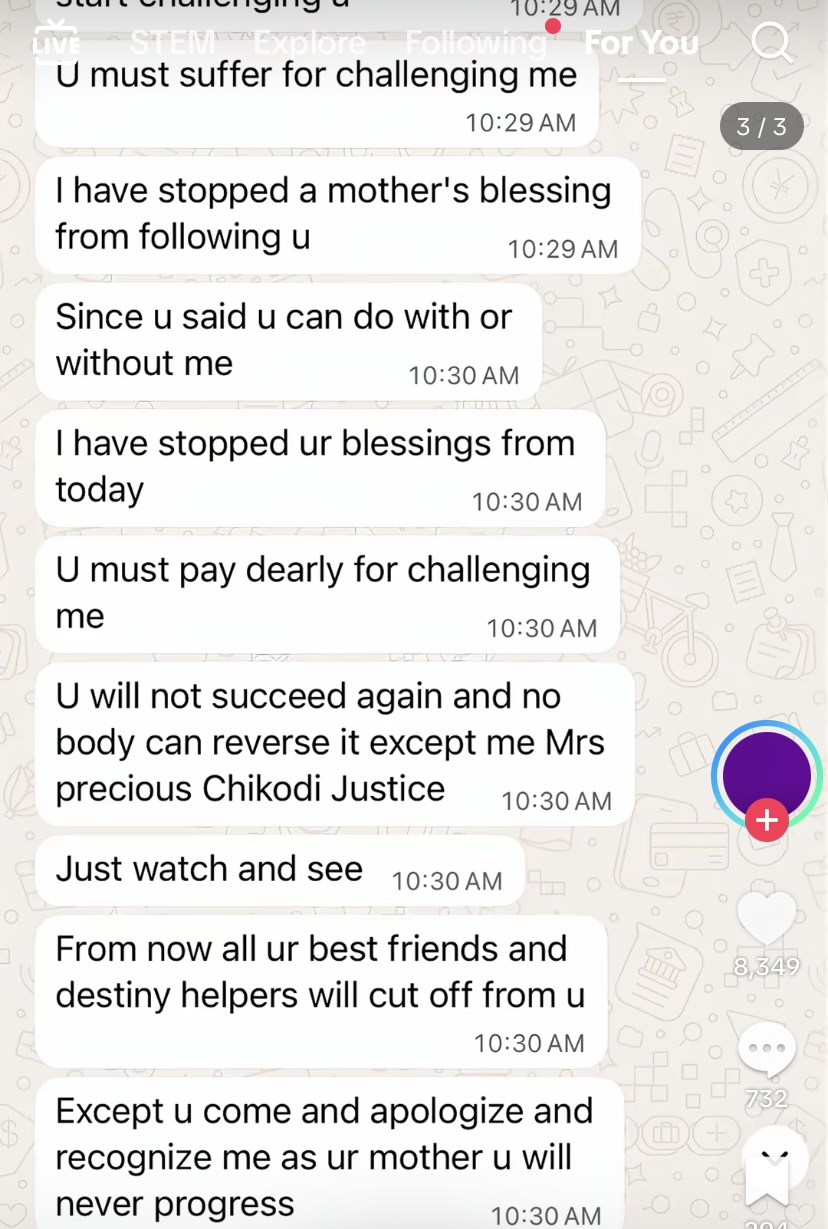
Understanding the characteristics of a toxic mother is crucial for anyone caught in such a dynamic. These parents often exhibit controlling behaviors, guilt-tripping, constant criticism, and a fundamental inability to respect their child’s boundaries. They may project their own unresolved issues onto their children, creating an environment of fear and anxiety. The repeated exposure to such negativity can erode a child’s self-esteem and ability to form healthy relationships in adulthood, making it vital to identify these patterns early on.
The impact of parental words, particularly curses or threats, can be devastating, blurring the lines between typical family disagreements and outright abuse. When considering toxic vs abusive parents, the distinction often lies in the intent and severity of harm. Curses, even if not physically violent, carry immense psychological weight, especially in cultures where spiritual beliefs are strong, leading to profound emotional scars and long-lasting trauma.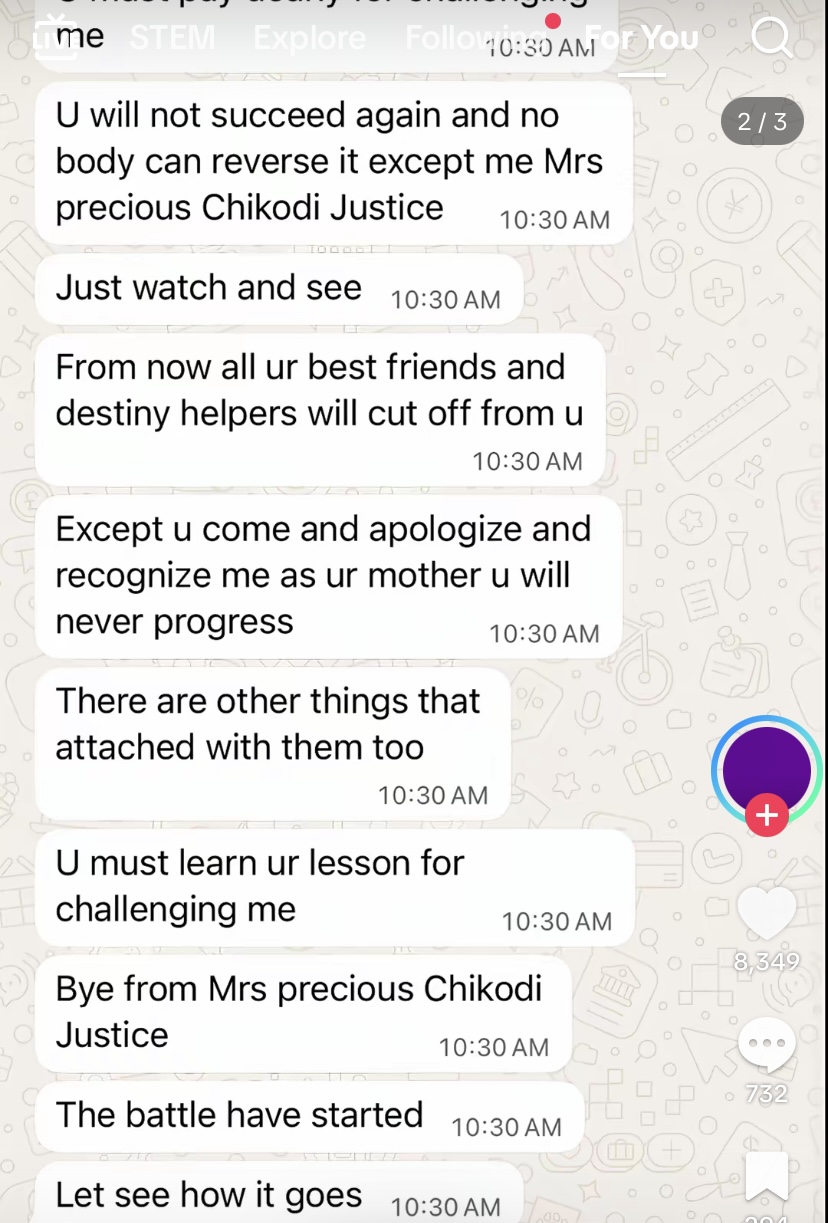
For those wondering how to deal with toxic parents, establishing clear boundaries is paramount. This involves limiting contact, refusing to engage in manipulative conversations, and protecting personal space and emotional energy. It’s not about cutting off a parent entirely in all cases, but rather about managing the interaction to minimize harm. Seeking emotional support from trusted friends, partners, or professional therapists can provide invaluable tools and perspectives for navigating these complex relationships without succumbing to their negative influence.
The journey of healing from toxic family for beginners can feel overwhelming, but professional guidance offers a structured path forward. Therapists specializing in family dynamics can help individuals process the trauma, develop coping strategies, and rebuild their self-worth. Support groups also provide a safe space to share experiences and realize that one is not alone in their struggle. This external support is essential for detaching from the emotional grip of a toxic parent and fostering personal growth independent of their influence.
A comprehensive parent-child relationship guide emphasizes the importance of communication, respect, and mutual understanding. However, in toxic dynamics, these elements are often absent. Setting boundaries means defining what is acceptable and unacceptable behavior. This might involve stating explicitly that certain topics are off-limits, ending calls if verbal abuse occurs, or even taking a temporary break from communication. Consistency in enforcing these boundaries is key, even when met with resistance or guilt-tripping from the parent.
The incident that sparked this discussion, originating from Nigeria, highlights how cultural contexts can sometimes complicate discussions around toxic parent news Nigeria. In many traditional societies, filial piety is deeply ingrained, making it difficult for children to challenge parental authority, even when that authority is harmful. This cultural backdrop can exacerbate the emotional burden on individuals facing toxic parental behavior, as societal expectations often prioritize parental reverence over personal well-being, leading to internal conflict and delayed action.
It is important to differentiate between normal family drama vs conflict and genuinely toxic patterns. All families experience disagreements and occasional friction; this is a natural part of human relationships. However, toxic dynamics are characterized by a consistent pattern of harmful behavior that undermines, controls, or emotionally abuses. True conflict can often be resolved through open communication and compromise, whereas toxic interactions rarely yield positive resolutions and instead perpetuate cycles of pain and resentment. Recognizing this distinction is crucial for effective intervention.
Looking towards the future, individuals seeking the best advice for toxic family 2026 should prioritize self-preservation and emotional resilience. This includes investing in personal growth, building strong support networks outside the family, and potentially seeking legal or therapeutic counsel where necessary. Developing a robust, healthy family relationship guide 2026 would focus on fostering environments of mutual respect, clear communication, and unconditional love, actively moving away from the damaging patterns seen in toxic dynamics. The emphasis should always be on breaking cycles for future generations.
The digital age has introduced new complexities to family conflicts, as evidenced by the WhatsApp family conflict update. Messaging platforms allow for instant, often unmoderated, communication, where hurtful words can be delivered without the immediate social cues or face-to-face accountability of in-person interactions. This can intensify the emotional impact of toxic communication, making it harder to escape or ignore. Digital boundaries, such as muting notifications or blocking contacts when necessary, become crucial tools in managing these modern forms of family drama.
Ultimately, navigating and healing from toxic parent relationships is a challenging but necessary journey for personal well-being. The viral incident in Nigeria serves as a potent reminder of the widespread nature of this issue and the courage it takes to speak out. Implementing strategies on how to deal with toxic parents, seeking support, and setting firm boundaries are not acts of disrespect but essential steps towards self-preservation and fostering a healthier emotional future. It empowers individuals to reclaim their narrative and break free from damaging cycles.









