


The question of how safe are high speed trains has once again been brought to the forefront following a tragic incident in Spain. High-speed rail, often lauded for its efficiency and environmental benefits, faces intense scrutiny when accidents occur. While statistics generally show these modern marvels to be incredibly safe, any derailment or collision raises critical questions about engineering, operational protocols, and passenger security. Understanding the factors contributing to such events is crucial for both public confidence and continuous improvement in global rail networks.
Recent reports from Spain detailed a devastating high-speed train crash near Adamuz, in Cordoba province, resulting in significant casualties. This unfortunate event, which saw one train derail and collide with an oncoming service, serves as a stark reminder that even with advanced technology, vigilance in rail operations remains paramount. The Spain train crash latest update highlighted the severity, with authorities confirming numerous fatalities and injuries, prompting widespread concern.
Despite such incidents, high-speed trains maintain an impressive safety record globally. They are designed with redundant safety systems, robust infrastructure, and stringent operating procedures that significantly reduce the likelihood of accidents compared to other modes of transport. The focus on dedicated tracks, advanced signaling, and sophisticated control systems contributes to their overall reliability and security for millions of passengers daily.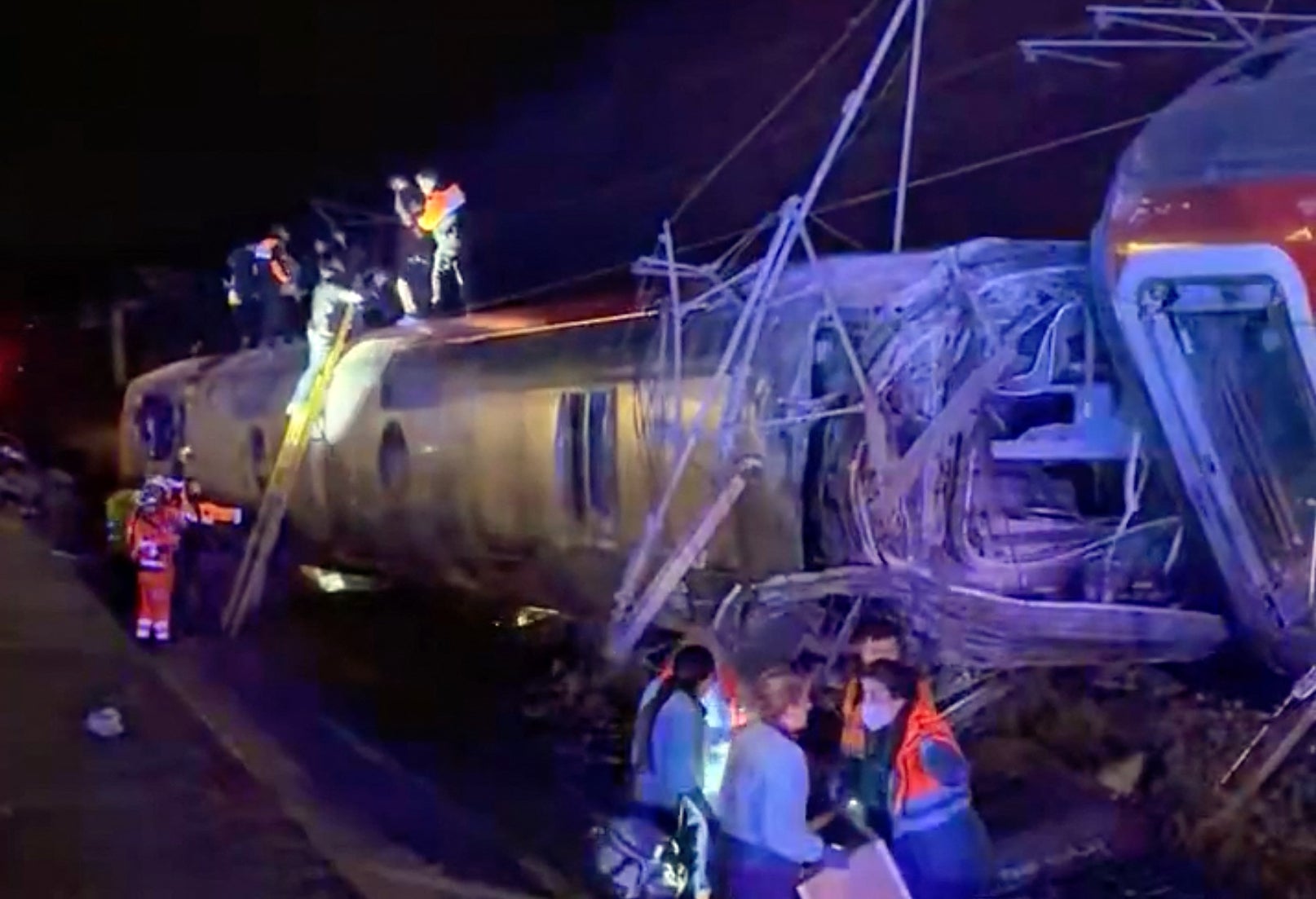
What causes train derailments? The answer is often a complex interplay of factors, including track defects, excessive speed, mechanical failures in rolling stock, or human error. External elements like adverse weather conditions or obstructions on the line can also contribute to a train leaving its designated path, leading to severe consequences.
Modern high-speed rail networks integrate cutting-edge safety technologies to mitigate risks. Systems like Automatic Train Control (ATC) and Positive Train Control (PTC) are designed to prevent collisions and overspeed derailments by continuously monitoring train movements and enforcing speed limits. These technologies represent the best train safety technologies 2026, constantly evolving to integrate predictive analytics and AI for enhanced preventative maintenance and real-time hazard detection.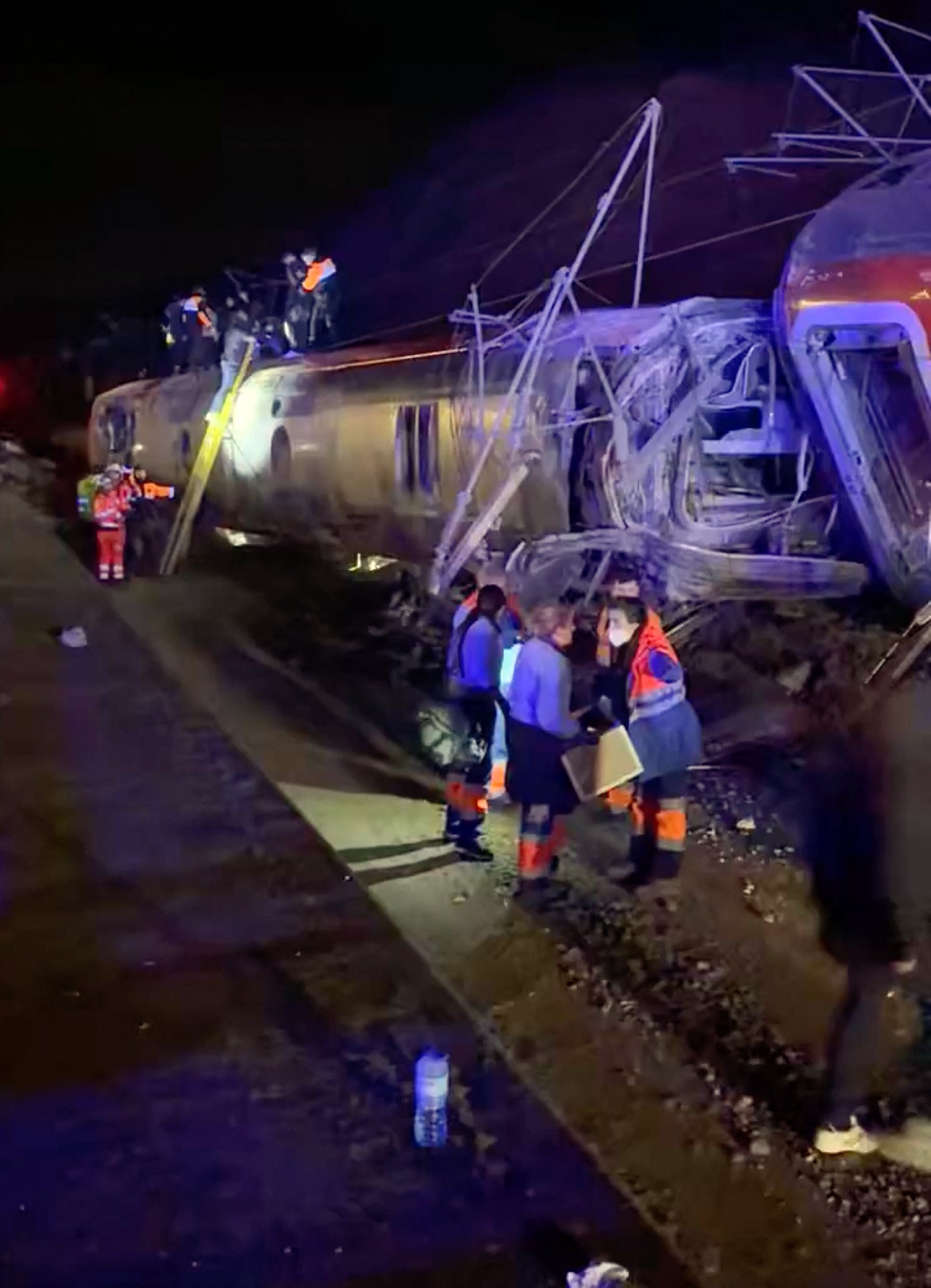
When considering high speed rail vs conventional rail safety, the differences are notable. High-speed lines are typically grade-separated, eliminating crossings that are common sources of accidents on conventional tracks. Their operational environment is more controlled, with fewer external interferences, leading to a statistically safer journey despite the higher speeds involved. This controlled environment is a cornerstone of train accident prevention guide principles.
A comparative analysis of European train safety vs US often reveals distinct approaches. Europe, with its extensive and interconnected high-speed network, benefits from harmonized safety standards and a long history of investment in advanced rail infrastructure. The focus on interoperability and rigorous certification processes across multiple countries contributes to a generally high safety benchmark. In contrast, the US system, while also prioritizing safety, features a more diverse rail landscape with significant freight traffic sharing tracks, presenting unique challenges.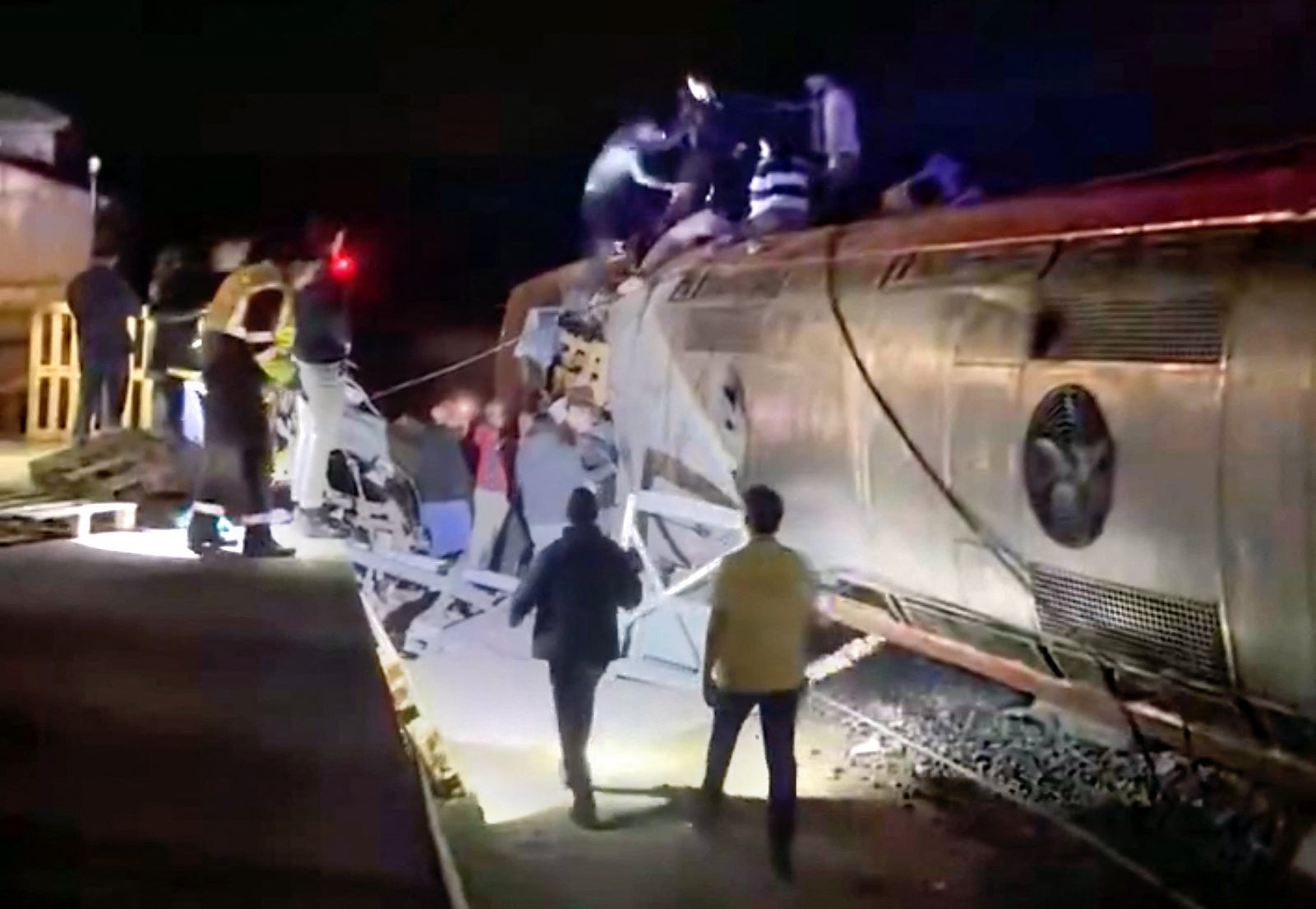
For passengers, adopting rail safety tips for passengers can further enhance their travel experience. Always adhere to onboard safety instructions, be aware of emergency exits, and report any unusual observations to staff. These simple measures, combined with the inherent safety features of the trains themselves, create a secure travel environment. Staying informed about the Adamuz train accident news and its investigative findings also helps in understanding evolving safety practices.
Looking towards the future of high speed rail safety 2026, innovations are focused on predictive maintenance using IoT sensors, advanced material science for stronger tracks and rolling stock, and even more sophisticated communication systems between trains and control centers. The goal is to move from reactive responses to proactive prevention, anticipating potential issues before they escalate into incidents. These continuous improvements underscore the industry’s commitment to passenger welfare.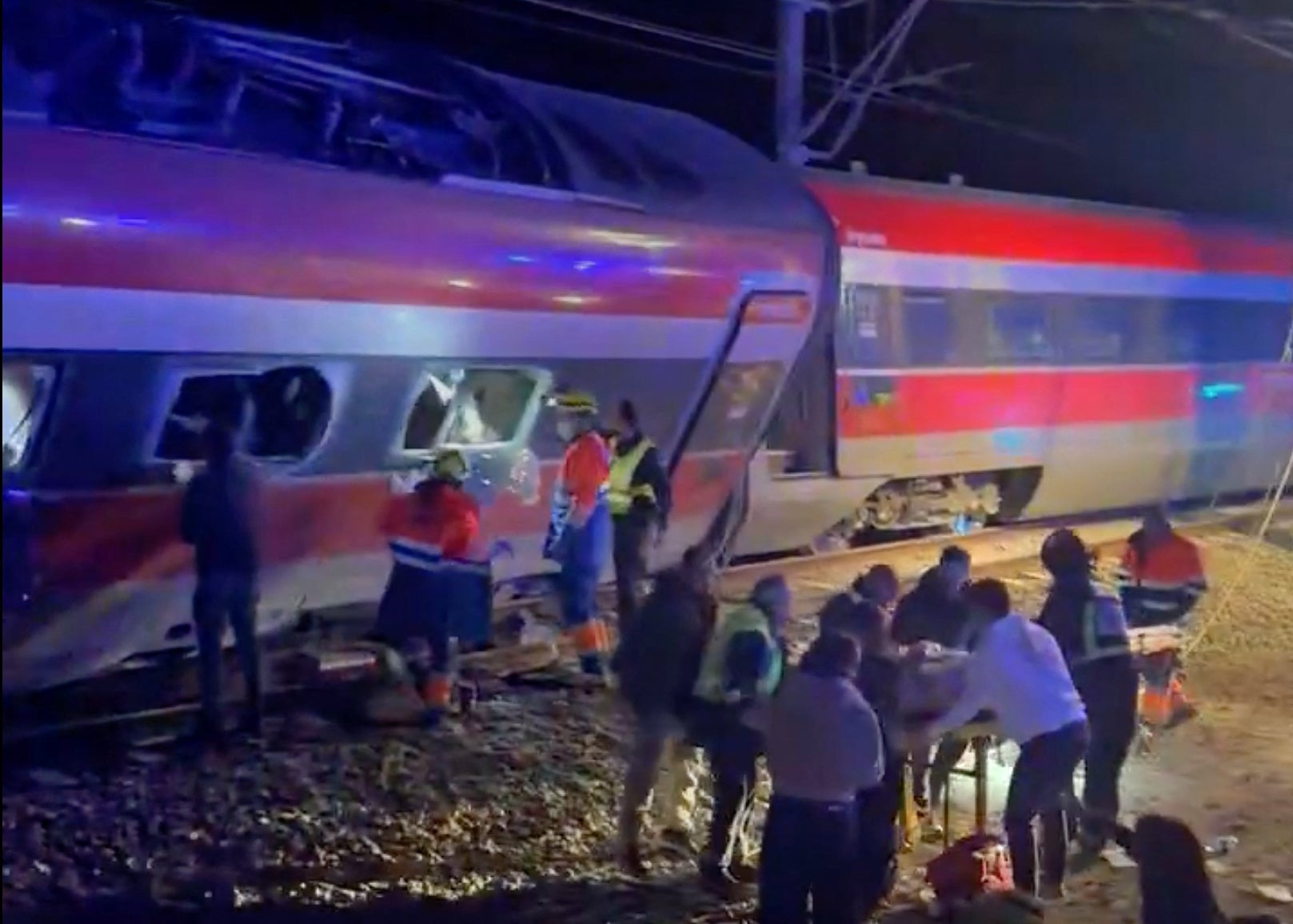
In conclusion, while incidents like the recent Spain train crash latest update are deeply regrettable, they are statistically rare events in the context of global high-speed rail operations. The industry’s relentless pursuit of safety through advanced technology, strict protocols, and ongoing research means that the answer to how safe are high speed trains remains overwhelmingly positive. Continuous learning from every incident, coupled with a commitment to innovation, ensures that high-speed rail will continue to be one of the safest and most efficient modes of transport well into the future.






