


The recent appointment of Liam Rosenior as Chelsea manager has ignited a passionate debate across the football world, particularly given the controversial circumstances of his departure from Strasbourg. As he steps into the demanding role at Stamford Bridge, all eyes are on the crucial Liam Rosenior Chelsea strategy he will employ to navigate the club’s turbulent waters. His arrival marks a significant moment for BlueCo’s multi-club model, testing the delicate balance between club interests and fan loyalty. This move, while a massive opportunity for Rosenior, places immense pressure on him to deliver immediate results and appease a fanbase accustomed to silverware, while simultaneously managing the expectations of a complex ownership structure. The initial steps he takes will be vital in shaping his legacy and the club’s immediate future.
To truly understand the backdrop of Rosenior’s appointment, one must grasp what is BlueCo multi club model. This ownership structure, spearheaded by Todd Boehly’s consortium, involves owning multiple football clubs, ostensibly to create synergies in player development, scouting, and financial management. For Strasbourg, this meant becoming a ‘sister club’ to Chelsea, a relationship that has often felt more like subordination to their Alsatian supporters. This model, while theoretically offering benefits, has frequently led to friction, as local identities clash with overarching corporate strategies. Rosenior’s previous role within this system at Strasbourg, where he maintained loyalty amidst fan discontent, likely played a key part in his appeal to the Chelsea hierarchy.
Rosenior, a 41-year-old former Hull and Derby coach, brings a distinct philosophy centered on youth development, a vision that aligns perfectly with Chelsea’s recent aggressive recruitment of young talent. His tenure at Strasbourg saw him field one of Europe’s youngest starting XIs, demonstrating his commitment to nurturing emerging stars. This experience, combined with his ability to work within the BlueCo framework, makes him an attractive candidate for a club heavily invested in a long-term project built around potential. However, the Premier League’s unforgiving nature demands more than just promise; it requires immediate impact and tangible success.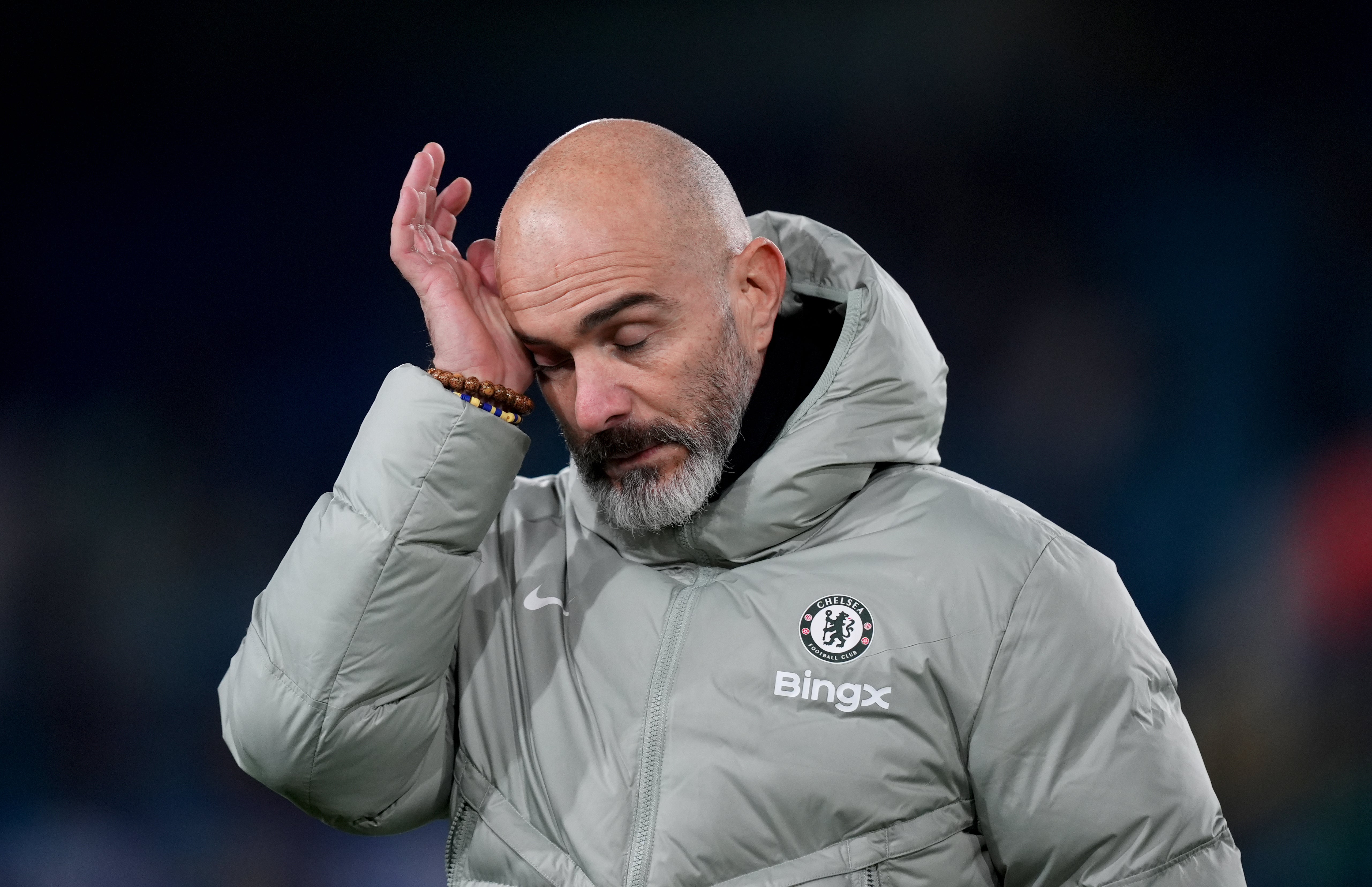
The answer is, Liam Rosenior must navigate a complex landscape by implementing a clear strategy focused on youth development, immediate results, and diplomatic relations with the BlueCo hierarchy. His ability to align with the club’s long-term vision while securing short-term success will define his tenure at Stamford Bridge.
The contrast between Rosenior vs Maresca Chelsea approaches will be under intense scrutiny from day one. Enzo Maresca’s departure, marked by public dissatisfaction with the club’s hierarchy and a poor run of results, underscores the precarious nature of the Chelsea manager’s job. Rosenior inherits a squad that is a mish-mash of expensive signings, many of whom are still finding their feet. He faces the daunting task of not only reversing the team’s current form – they were 17 points off the top and three points adrift of Champions League qualification when he arrived – but also instilling a clear playing identity. The pressure to deliver silverware, even in cup competitions, will be immediate and relentless, echoing the club’s rich history of winning trophies.
Managing Chelsea’s gung-ho transfer strategy and the sheer scale of player turnover will be a defining aspect of Rosenior’s role. The club’s aggressive recruitment model often means integrating numerous new faces each summer, a challenge that can destabilize team cohesion. As we look towards the chelsea transfer strategy 2026 guide, Rosenior will need to exert influence, or at least effectively manage the influx of talent, to ensure a balanced and competitive squad. The example of Emanuel Emegha, a Strasbourg captain now potentially crossing over to Chelsea, highlights a direct test of Rosenior’s ability to nurture talent acquired through the multi-club system, preventing promising players from becoming mere fringe figures.
Understanding the chelsea multi club model pros cons is crucial for any manager at Stamford Bridge. While it theoretically offers benefits like shared resources and player pathways, it also presents challenges such as balancing the interests of multiple clubs and managing fan perceptions. Rosenior’s previous experience of remaining loyal to BlueCo amidst growing fan backlash at Strasbourg positions him uniquely to navigate the complex power dynamics at Stamford Bridge. His ability to work harmoniously with the five sporting directors, who largely control player recruitment, will be paramount. This diplomatic skill, coupled with his tactical vision, appears to be the “playbook” for success under the current regime.
The strasbourg fan backlash news surrounding Rosenior’s departure is a stark reminder of the human cost of the multi-club model. Supporters in Alsace feel their club’s identity is being eroded, viewing themselves as a ‘pawn’ in Chelsea’s larger game. The act of snatching their manager mid-season has intensified this sentiment, leading to protests and a sense of betrayal. Rosenior, despite his personal efforts to leave on good terms, has become a symbol of this perceived exploitation. His success at Chelsea, therefore, carries a double-edged sword, potentially validating the model for BlueCo while further alienating a segment of the Strasbourg fanbase.
The question of who will be the best chelsea manager 2026 is already being implicitly asked of Rosenior. His six-year contract, while seemingly offering stability, provides no real job security, as evidenced by the short tenures of previous managers under Todd Boehly. He must hit the ground running, deliver tangible improvements, and ideally secure Champions League qualification or a domestic trophy to solidify his position. The tantalising opportunity he has been given comes with immense peril, and the ghosts of Graham Potter and Frank Lampard serve as stark warnings of the pressure cooker environment at Chelsea.
In conclusion, Liam Rosenior’s transition to Chelsea is fraught with challenges but also brimming with potential. His success hinges entirely on the efficacy of his Liam Rosenior Chelsea strategy, which must encompass tactical acumen, astute player management, and a nuanced understanding of the club’s unique ownership structure. If he can leverage his experience with BlueCo, align with the club’s youth-focused vision, and deliver the silverware that Chelsea fans crave, he stands a chance of not only justifying his controversial move but also establishing a lasting legacy at one of football’s most demanding clubs. The clock is ticking, and the football world watches with keen interest.







