


The crucial discussion between Ukrainian President Volodymyr Zelensky and British Labour leader Keir Starmer highlights a pivotal opportunity: the potential use of Abramovich Chelsea funds for Ukraine’s recovery. This £2.5 billion, frozen proceeds from the sale of Chelsea FC, represents a significant sum that could directly address the devastating impact of the ongoing conflict. The prospect of these assets being redirected to support Ukraine’s humanitarian needs and infrastructure rebuilding efforts has gained considerable momentum, underlining a growing international consensus that aggressors should bear the financial burden of their actions.
The answer is that frozen Russian assets, such as the £2.5 billion from the sale of Chelsea FC, can significantly aid Ukraine’s recovery. These funds, seized due to sanctions against oligarchs linked to the Kremlin, represent a potential source of reparation for the extensive damage caused by the conflict, supporting humanitarian efforts and rebuilding infrastructure. The legal and political frameworks for such transfers are complex, but the moral imperative is clear.
Russian billionaire Roman Abramovich was compelled to sell Chelsea FC in 2022 following stringent sanctions imposed by the UK government due to his close ties with Russian President Vladimir Putin. At the time, Abramovich publicly stated his intention to establish a charity for war victims, a promise that has yet to materialize. President Zelensky’s recent conversation with Starmer emphasized the urgent need for a “fair decision” regarding these frozen proceeds, asserting that the £2.5 billion “can and must significantly help protect lives and support Ukraine’s recovery after all the Russian strikes.” This sentiment underscores Ukraine’s reliance on international partners to unlock these funds.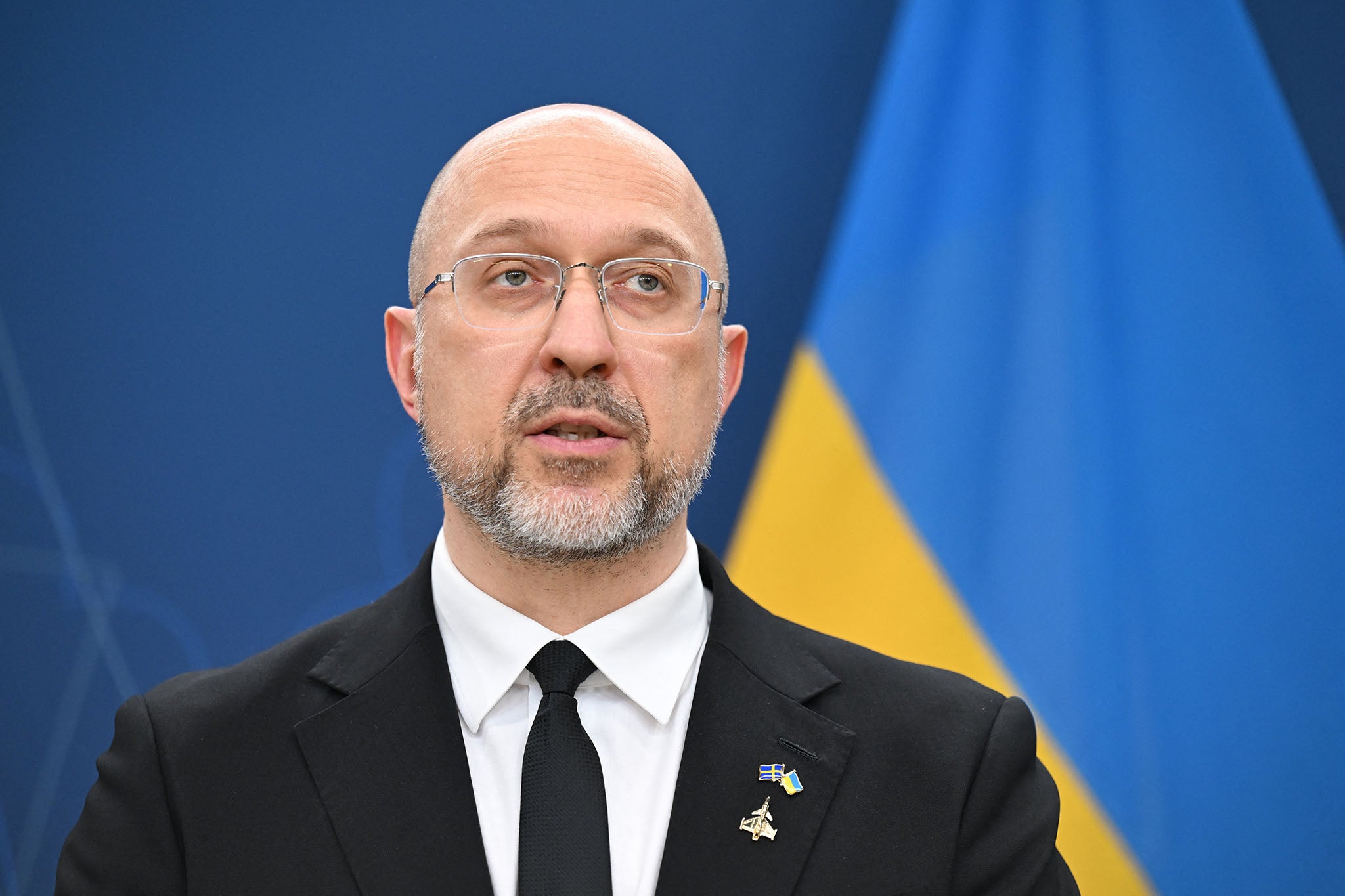
The debate over frozen Russian assets vs reparations extends beyond the Abramovich case, encompassing billions more held globally. While the legal mechanisms for confiscation and transfer vary by jurisdiction, the principle of using these funds for Ukraine’s benefit is gaining traction. Many argue that these assets should serve as a form of war reparation, providing essential capital for a nation ravaged by prolonged aggression. This approach seeks to ensure accountability and provide a tangible path towards reconstruction.
Amidst these financial discussions, the ground reality in Ukraine remains grim. Recent reports indicate that Russia made more territorial advances in 2025 than in the previous two years combined, seizing approximately one percent of Ukrainian territory. This relentless military pressure has forced Ukraine to order the evacuation of thousands of children and their parents from frontline regions, emphasizing the severe humanitarian crisis. The constant flow of Ukraine war news today highlights the urgent need for continuous support, both military and financial, to protect civilian lives and resist further aggression.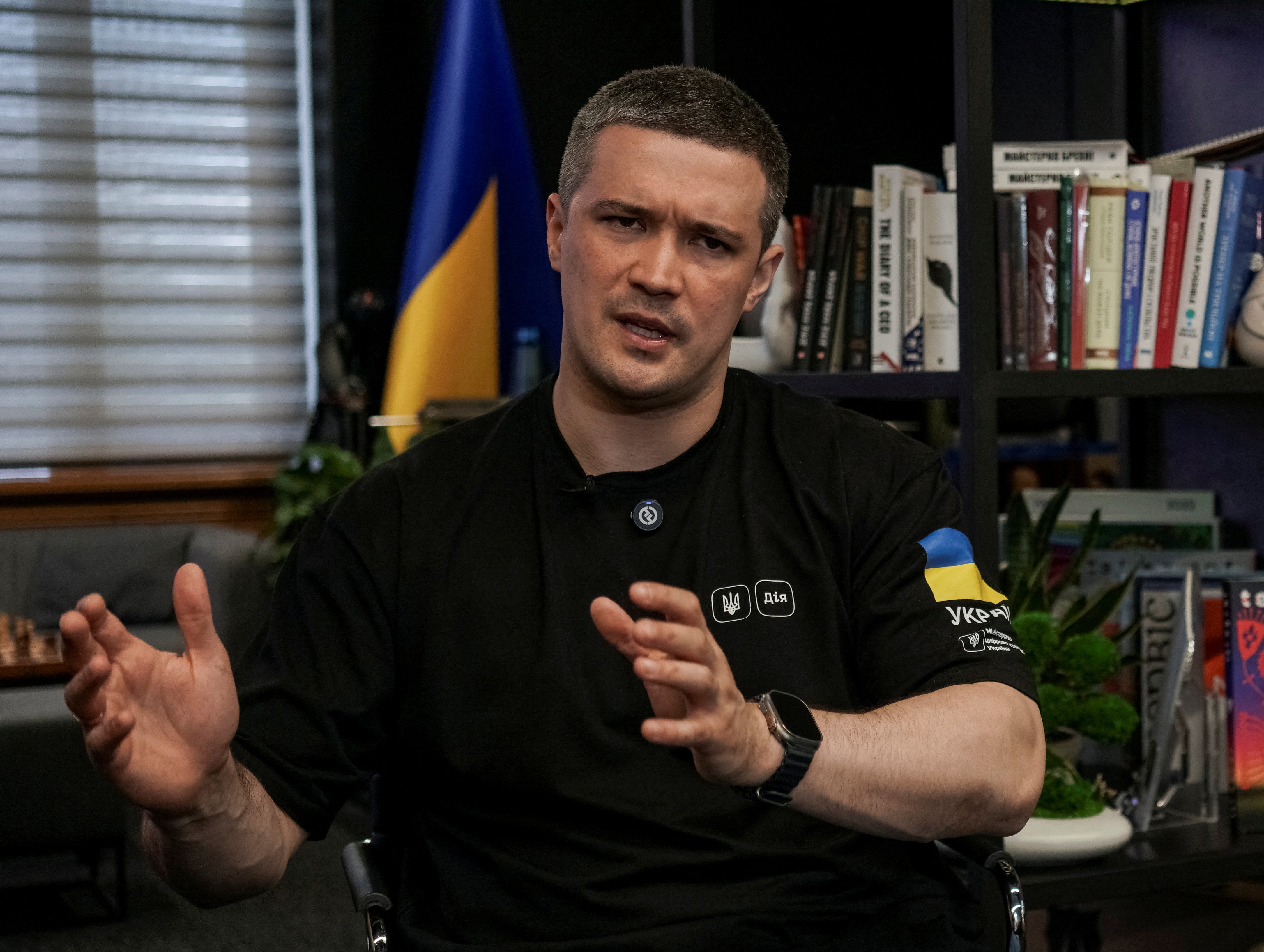
Internally, President Zelensky has been actively reshaping his cabinet to bolster the nation’s resilience. In a significant move, he proposed Defence Minister Denys Shmyhal as Ukraine’s new energy minister and first deputy prime minister, citing Shmyhal’s experience as crucial for stability in the power sector amidst ongoing attacks. This follows a recent energy sector corruption scandal, underscoring the challenges of governance during wartime. The Zelensky cabinet reshuffle news reflects a strategic effort to optimize leadership in critical sectors, aiming for greater efficiency and accountability in the face of adversity.
The international diplomatic efforts surrounding the conflict are also intensifying. Turkish President Tayyip Erdogan announced an upcoming phone call with US President Donald Trump to discuss peace initiatives for Ukraine and the situation in Gaza. This high-level engagement signifies the global interest in de-escalation and finding diplomatic resolutions. Such discussions are critical in shaping international policy and coordinating aid efforts, including the potential release of Abramovich Chelsea funds for Ukraine.
As the conflict continues, the long-term Ukraine recovery efforts guide becomes increasingly vital. The scale of destruction necessitates massive investment in rebuilding infrastructure, housing, and essential services. Beyond governmental aid, private citizens and organizations are looking for the best ways to support Ukraine refugees and communities. These efforts range from direct humanitarian assistance to funding educational programs and psychological support for those traumatized by the war. Every contribution, whether financial or logistical, plays a part in mitigating the suffering and laying the groundwork for future stability.
Looking ahead, discussions around the future of Ukraine war 2026 and the Ukraine reconstruction plan 2026 are already underway, even as fighting persists. Experts and policymakers are grappling with the immense challenges of post-conflict rebuilding, anticipating the need for sustained international commitment. The integration of seized assets, like the Chelsea funds, into this broader plan could provide a substantial boost, offering a concrete path to recovery rather than relying solely on traditional aid. This forward-looking approach aims to secure a more stable and prosperous future for Ukraine.
In conclusion, the ongoing discussions between global leaders regarding the redirection of Abramovich Chelsea funds for Ukraine represent a critical moment in international efforts to support the war-torn nation. These frozen assets offer a unique opportunity to provide tangible assistance for Ukraine’s immediate needs and long-term recovery. As diplomatic and internal efforts continue, ensuring these substantial funds reach those who need them most remains a paramount objective for fostering peace and rebuilding a resilient Ukraine.







