


The transformation of artificial intelligence from a collection of impressive demos into an omnipresent force in technology and society is now complete. As we move forward, understanding how AI will change daily life becomes paramount. The coming period will focus less on groundbreaking model advancements and more on how companies convince individuals to fully integrate AI into their personal routines. Major players like OpenAI, Google, Meta, Apple, and Amazon are aggressively developing new avenues for AI integration, prompting a societal discussion about embracing or rejecting these increasingly sophisticated tools. This deep dive explores the key shifts and predictions that will define AI’s impact on our daily existence.
One of the most significant shifts involves ChatGPT evolving into a silent household organizer. OpenAI has been strategically positioning its flagship AI platform to surpass simple question-answering, leveraging enhanced memory, multimodal understanding, and extensive connections to third-party services. The vision for ChatGPT now aligns with the long-sought role of a digital butler, a proactive assistant that manages schedules, suggests plans based on personal preferences and external data, and even handles administrative tasks without explicit prompts. This development highlights the emergence of best AI tools for productivity, making daily management more seamless and less visible.
Similarly, Google Search is undergoing a profound metamorphosis, pivoting towards an AI-first paradigm. While traditional keyword searches persist, Gemini’s influence is pushing AI Mode and its derivatives to the forefront of Google’s information delivery. Users will increasingly encounter AI Overviews and revamped result pages that offer concise executive summaries, often compiled from multiple sources without requiring direct clicks. The dynamic between ChatGPT vs Gemini features will significantly shape how users interact with search engines, prioritizing conversational interfaces over mere lists of links.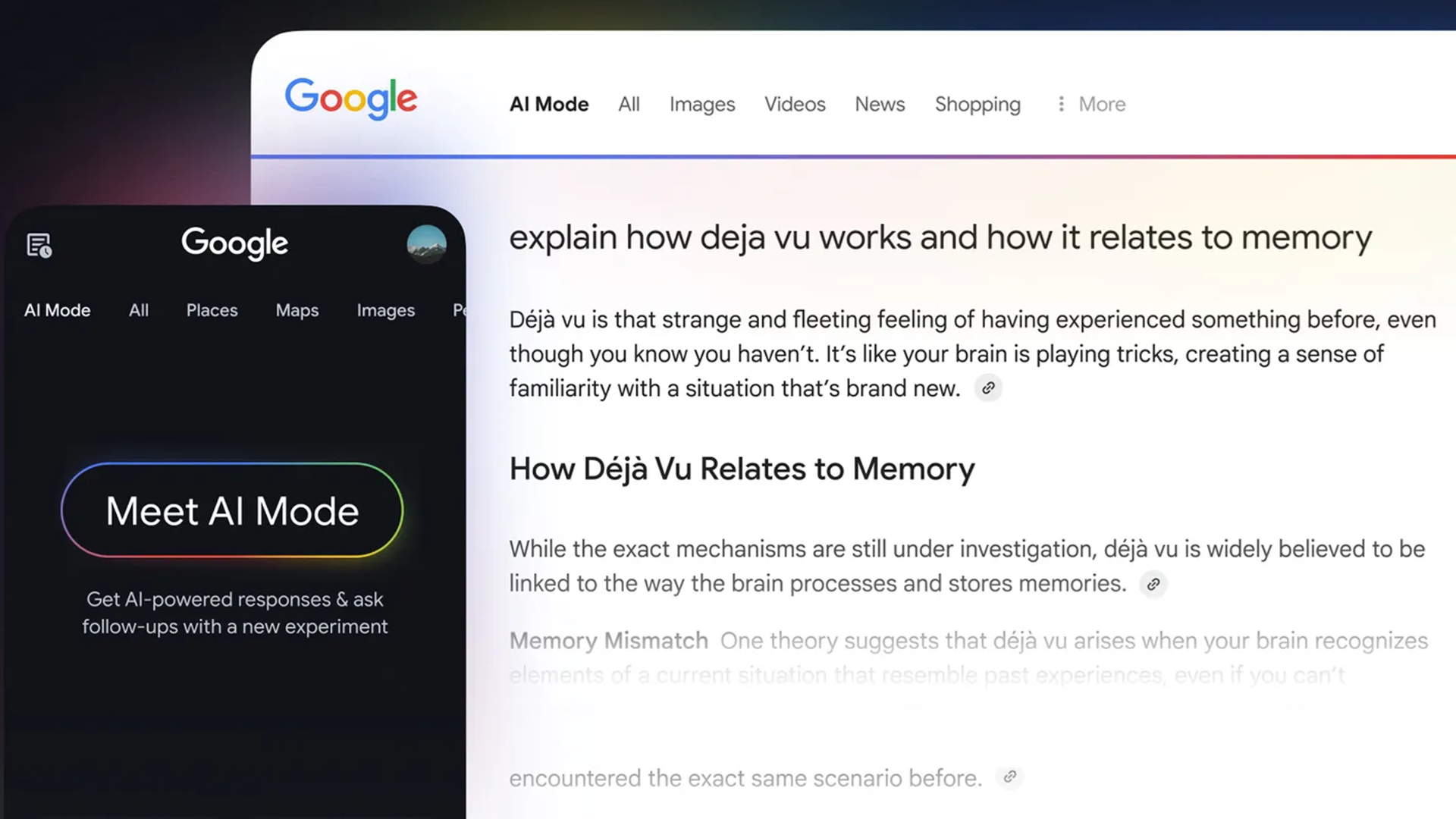
What is generative AI content? Generative AI content refers to media like text, images, and videos created by artificial intelligence models rather than human input. These advanced algorithms learn from vast datasets to produce novel, often sophisticated, outputs that can be indistinguishable from human-made creations.
Smart glasses, once a futuristic curiosity, are finally poised to achieve mainstream acceptance, primarily driven by advancements in AI. The long-standing utility gap in wearables is being bridged by multimodal AI, making these devices genuinely useful and less obtrusive. Partnerships between tech giants like Google and Meta with leading fashion brands are yielding smart glasses that offer subtle, context-aware assistance. These innovative wearables will discreetly whisper reminders, translate foreign signs, identify acquaintances, or explain the significance of landmarks, embodying the practical applications of future of AI technology explained.
The digital landscape, particularly social media, is set to become an “AI content theme park.” Platforms like Instagram and Facebook will experience an explosion of AI-generated content, with Meta leading the charge through advanced image and video generation models. This will allow brands to create personalized promotional material and casual users to transform photos into cinematic animations or stylized art. However, this surge will inevitably lead to a sense of sameness, as content optimized by similar algorithms begins to look uncannily alike. This raises critical questions about AI content vs human content and the imperative for clearer labeling and user controls.
In response to the pervasive nature of AI-generated media, a new luxury trend is expected to emerge: the “AI-free” label. As the web becomes saturated with AI-produced writing, images, music, and videos, consumers will increasingly crave authenticity and clarity. Creators who emphasize human-made content, explicitly declaring the absence of AI assistance, will likely find a premium market for their work. This shift reflects a growing desire for genuine human connection and creativity amidst a sea of synthetic output, influencing discussions around OpenAI latest news and ethical AI development.
The subtle yet profound integration of AI means we won’t be shocked by its sudden omnipresence, but rather face continuous choices about its role in our lives. While true artificial general intelligence may remain a distant prospect, the pervasive influence of AI will reshape how AI will change daily life, demanding both enthusiastic adoption and careful consideration from users. This period represents a critical juncture in the evolution of AI, guiding us through a nuanced landscape of technological advancement and societal adaptation, as detailed in this AI technology guide 2026.








