

![[post_title]](https://samony.com.ng/wp-content/uploads/2025/12/1765982747_This-is-what-the-2027-Honda-MotoGP-bike-will-be-1024x682.jpg?lm=6942C21D)
Honda’s next-generation MotoGP machine, set to debut in the 2027 season, will be officially named the RC214V. This designation continues a long-standing naming convention for the Japanese manufacturer’s premier class prototypes and signifies Honda’s ambition to return to its former glory.
The move to an 850cc engine capacity marks a significant shift in MotoGP regulations, and Honda aims to leverage this new era to build upon its momentum from recent seasons. The company has a rich history of success in the championship, punctuated by periods of dominance and challenging downturns.
Since the turn of the millennium, Honda has experienced a rollercoaster of fortunes in MotoGP. The iconic NSR500 era concluded with a championship in 2001, propelling Valentino Rossi to superstardom. This paved the way for the introduction of four-stroke prototypes in 2002, with Honda launching the RC211V.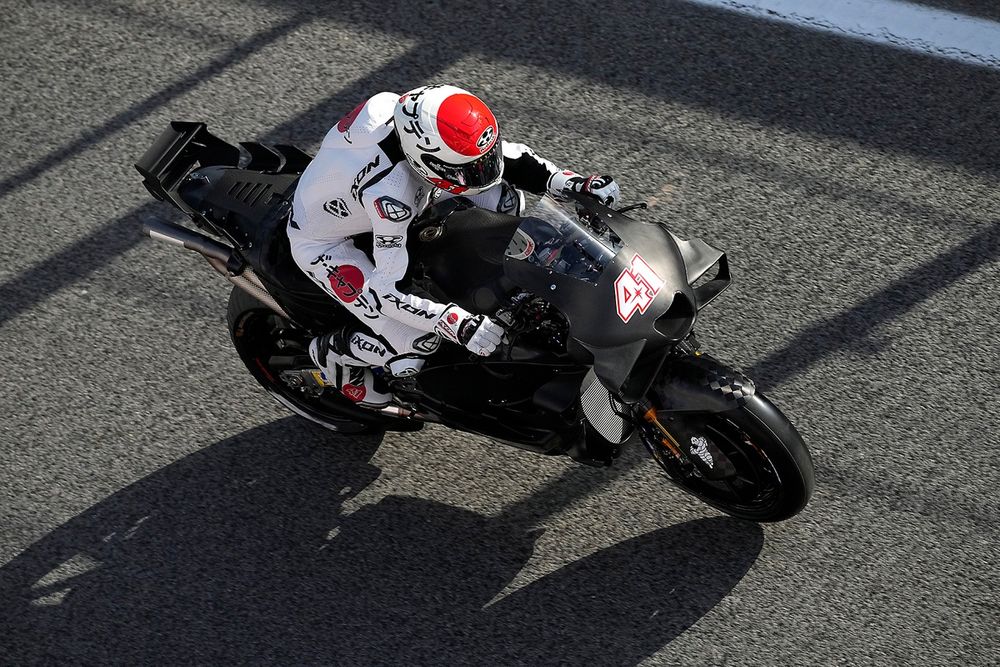
The RC211V, representing the first bike of the 21st century, enjoyed a successful five-year run, securing multiple constructors’ championships. However, subsequent rule changes in 2007, reducing engine capacity to 800cc, led to the development of the RC212V, a bike that initially struggled for consistent competitiveness.
It wasn’t until the arrival of Casey Stoner in 2011 that Honda recaptured significant success with the RC212V, clinching both rider and constructor titles in its final year. This triumph set the stage for the introduction of the RC213V in 2012, a platform that would become Honda’s most enduring MotoGP prototype.
The RC213V, which has competed from 2012 to 2026, brought Honda immense success, particularly with Marc Marquez at the helm. The pairing secured numerous rider and constructor championships, establishing a period of unprecedented dominance for the manufacturer.
However, the landscape of MotoGP has evolved dramatically, with Ducati emerging as a formidable rival and Marc Marquez’s career-altering injury in 2020 impacting Honda’s performance. The past few years have seen Honda grapple with significant challenges, while Ducati has ascended to become the benchmark in the sport.
The 2027 regulations usher in a new technical framework, including 850cc engines, a reduction in aerodynamic complexity, the ban of ride-height devices, and a switch to Pirelli tires. Honda has been actively developing the RC214V for months in anticipation of these changes.
While other manufacturers like KTM, Aprilia, Yamaha, and Ducati are expected to retain their established model names, Honda’s adoption of the RC214V underscores its commitment to a fresh start. The company will officially unveil and test its new prototype soon, signaling its determination to climb back to the top of MotoGP.
The development of the RC214V represents Honda’s strategic response to the evolving demands of premier class motorcycle racing. The manufacturer is investing heavily in this new platform, aiming to regain its competitive edge and contend for championships once again.
This rebranding and technical overhaul are critical for Honda as it navigates a highly competitive MotoGP grid. The success of the RC214V will be closely watched by fans and rivals alike as it embarks on its journey to redefine Honda’s future in the sport.
Honda’s storied history in MotoGP is marked by innovation and a relentless pursuit of victory. The RC214V is the latest embodiment of this philosophy, carrying the hopes of a manufacturer eager to write a new chapter of success.


![[post_title]](https://samony.com.ng/wp-content/uploads/2025/12/1765982259_I-compared-Coole-Swan-Baileys-and-Aldi-Irish-Cream-I-300x158.jpg?lm=6942C035 "Irish Cream Taste Test: Coole Swan Crowned Christmas Champion")


![[post_title]](https://samony.com.ng/wp-content/uploads/2025/12/1765981684_Paid-assassin-who-shot-Mark-Webley-in-gangland-hit-outside-300x158.jpg?lm=6942BDF5 "Hitman Jailed 26 Years for New Year’s Eve Edinburgh Gangland Murder")
![[post_title]](https://samony.com.ng/wp-content/uploads/2025/12/India-And-South-Africa-Set-For-High-Stakes-T20-Clash-In-300x168.jpeg?lm=6942BEE4 "India Aims for Series Win Against South Africa in Crucial T20")

![[post_title]](https://samony.com.ng/wp-content/uploads/2025/12/Russia-in-line-for-return-to-international-football-as-Fifa-1024x683.jpg?lm=6942C395 "Russia eyes international football return via new FIFA youth competition")

![[post_title]](https://samony.com.ng/wp-content/uploads/2025/12/1765982259_I-compared-Coole-Swan-Baileys-and-Aldi-Irish-Cream-I-1024x538.jpg?lm=6942C035 "Irish Cream Taste Test: Coole Swan Crowned Christmas Champion")
