

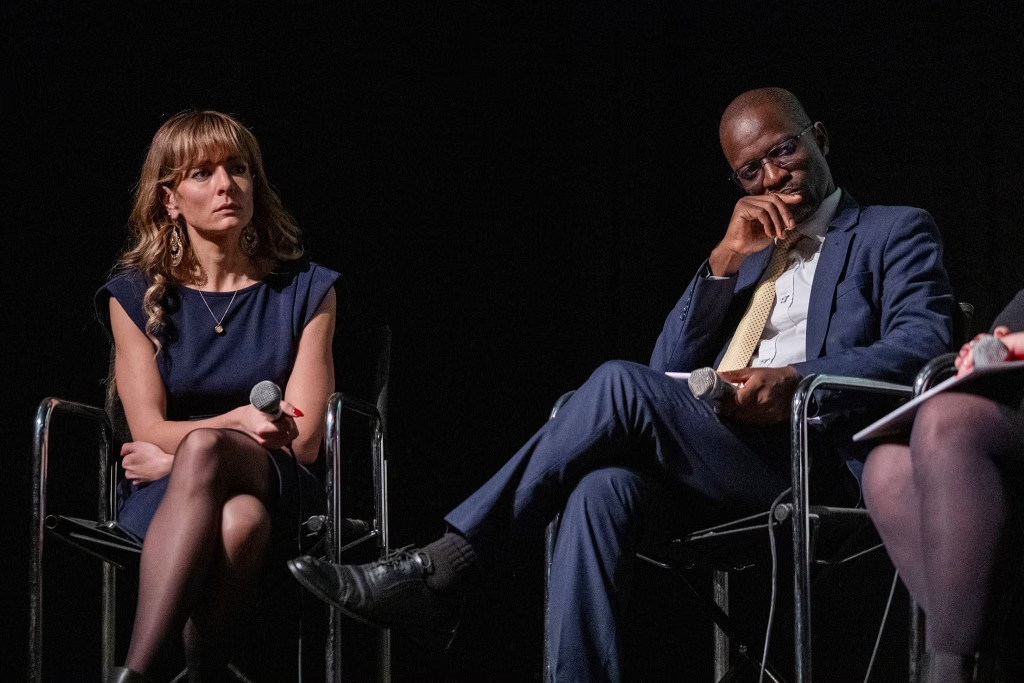
HIV/AIDS Funding Cuts: A Critical Look at Global Impact and Sustainability
Reports of slashed HIV/AIDS funding by major donor nations raise serious concerns. The Independent’s coverage of Lord Chris Smith’s warnings about regression to the 1980s era of the AIDS pandemic is particularly alarming. Are we truly at risk of undoing decades of progress?
Smith’s point is sharp: cutting aid to fund defense is a miscalculation. Investing in defense is important, surely, but diverting funds from crucial health programs like HIV/AIDS treatment reveals skewed priorities. It appears shortsighted to sacrifice long-term global health security for immediate geopolitical gains.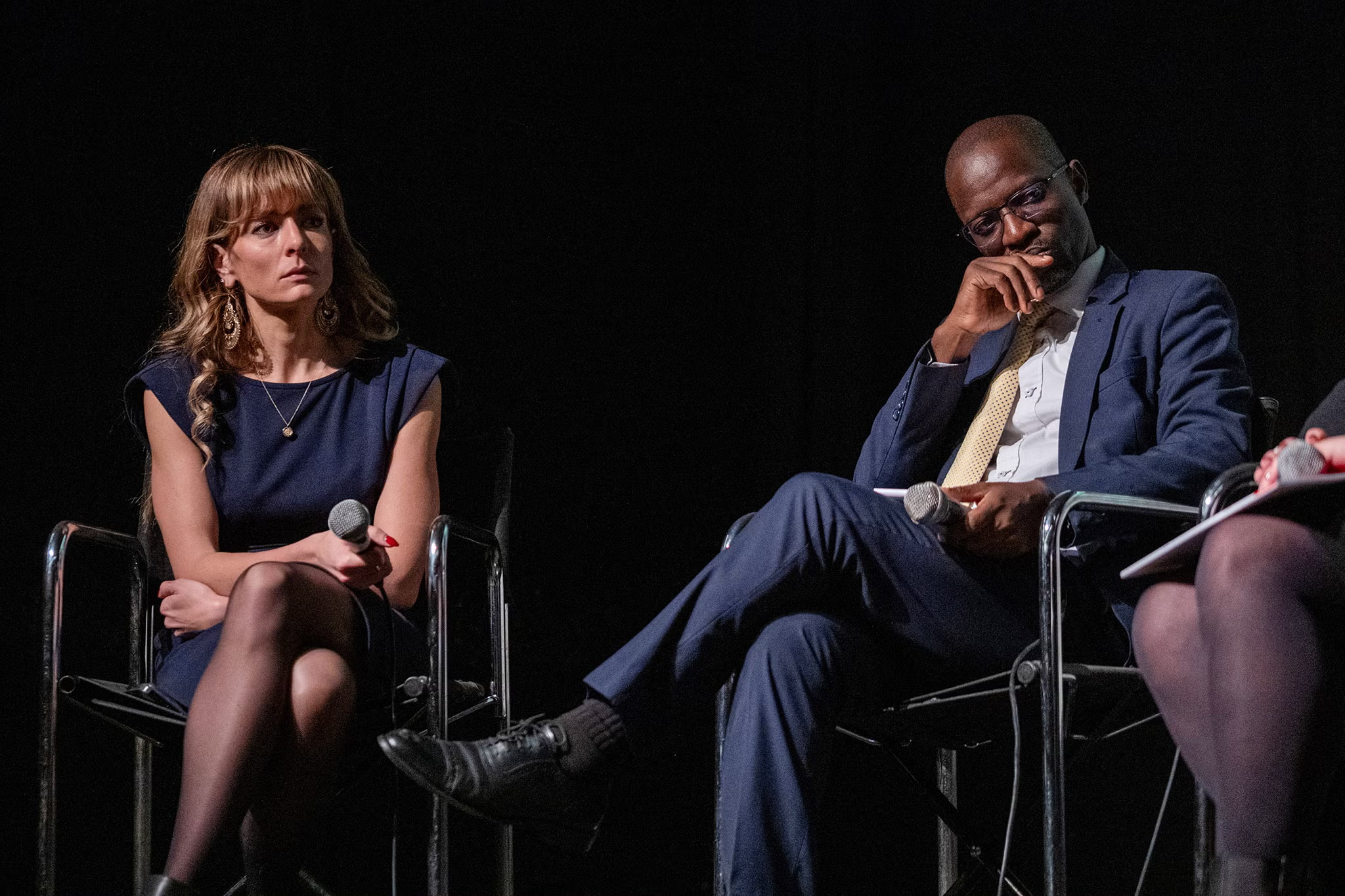 >
>
The story highlights the UK’s 15% reduction to the Global Fund, a major player in HIV/AIDS prevention and treatment. This cut, following on the heels of funding reductions by the US under the previous administration, creates a precarious situation, especially for vulnerable populations in developing countries. Bel Trew’s documentary sadly underscores the human cost. People are losing access to life-saving medication, with documented deaths linked directly to these aid cuts. This is more than just a budgetary adjustment; it’s a matter of life and death.
Still, a nuanced view demands acknowledging the perspectives emerging from the global South. Dr. Charles Ssonko from Medecins Sans Frontieres hits a nerve when he challenges affected nations to “step up” and take greater ownership of their HIV responses. Decades of dependence on donor funds haven’t fostered sustainable solutions. The abrupt withdrawal of aid, while devastating in the short term, could potentially catalyze a needed shift towards self-reliance.
However, the ability for nations to suddenly fill the gap left by major donors seems unlikely. Years of aid dependency creates systemic vulnerabilities. Consider the fragile healthcare infrastructure in many African countries, often heavily reliant on international support. Asking these nations to immediately compensate for massive funding shortfalls is unrealistic and could push already strained systems past their breaking points.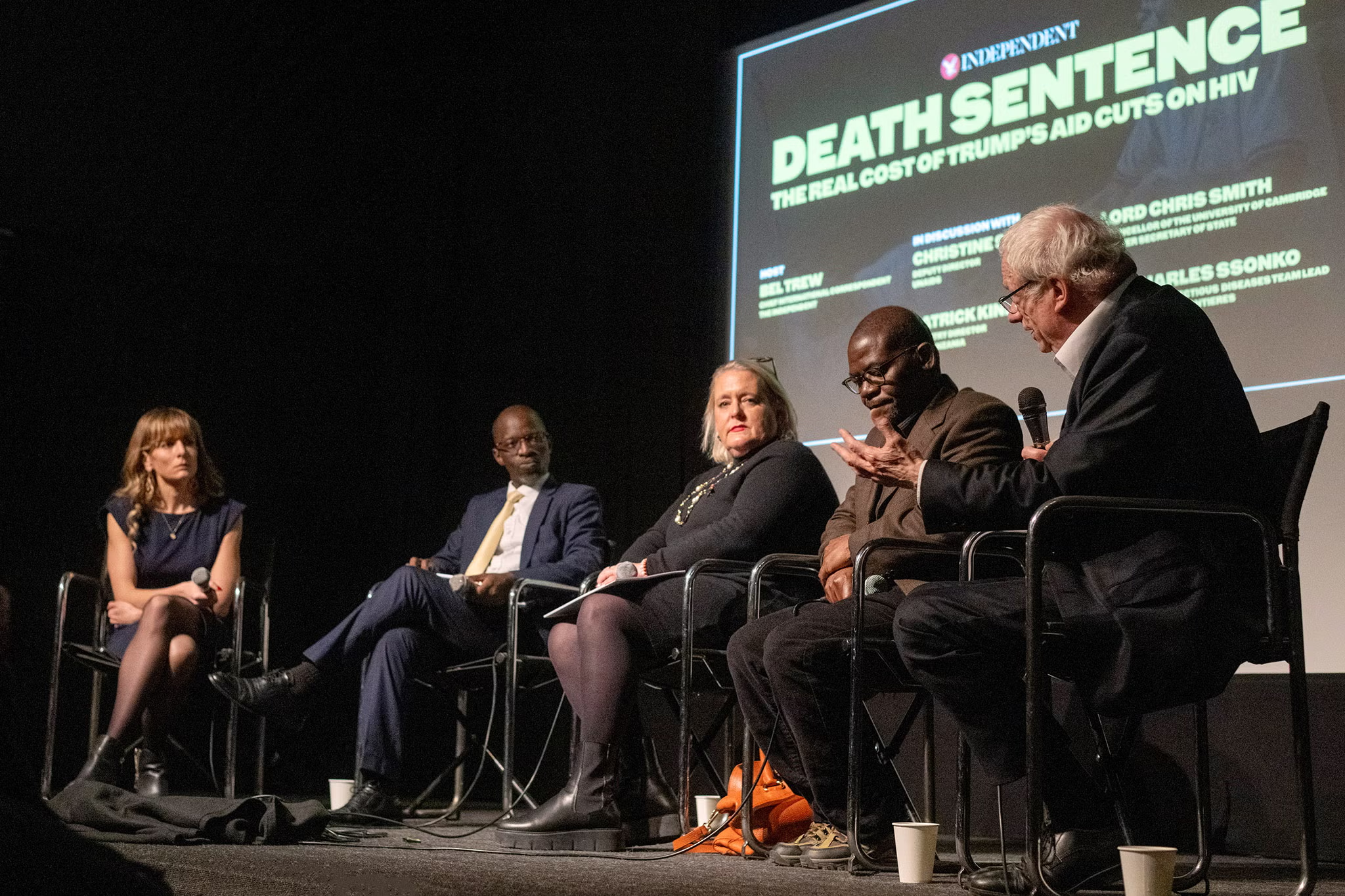 >
>
It’s worth asking: where is the long-term strategy? Ideally, aid should empower countries to develop their own sustainable healthcare systems. Perhaps this crisis is a painful opportunity to re-evaluate the aid model. A move toward fostering local capacity, strengthening healthcare systems, and promoting financial independence could be more effective in the long run.
Yet, any shift away from donor funding must be carefully managed. The speed and severity of the current cuts are disrupting existing programs and undermining years of progress. Christine Stegling from UNAIDS points out that the sudden nature of the cuts is the core challenge. Countries were already gradually increasing their contributions, but the abrupt shift has thrown everything into chaos.
New prevention drugs, like Lenacapavir, offer a beacon of hope. Activists rightly demand these innovations be made affordable and accessible. Drug monopolies should not stand in the way of saving lives. We must examine how funding structures and pharmaceutical policies affect access to these vital medications.
Looking ahead, several factors require consideration:
Donor responsibility: Donor nations must recognize their ongoing role in supporting global health initiatives, particularly in addressing pandemics like HIV/AIDS. Sustainable funding models: Exploring innovative funding mechanisms, such as public-private partnerships and debt-for-health swaps, may provide more stable sources of revenue. Local ownership: Building strong local healthcare systems and empowering communities to take ownership of their health is vital for long-term success. Transparency and accountability: Ensuring transparency in aid spending and holding all stakeholders accountable for results is crucial for efficient resource allocation. Equitable access: Addressing inequalities in access to prevention, treatment, and care is crucial for controlling the HIV/AIDS epidemic.
The path forward requires a comprehensive approach that balances short-term needs with long-term sustainability. Slashing aid without a clear plan threatens to reverse hard-won gains. A more responsible approach involves fostering local capacity, promoting financial independence, and ensuring equitable access to life-saving interventions. Ultimately, ending the AIDS pandemic requires a shared commitment and a willingness to invest in a healthier future for all. Perhaps the current situation will spur the necessary innovations in how global health challenges are addressed and financed. Only time will tell.

![[post_title]](https://samony.com.ng/wp-content/uploads/2025/12/Youth-clash-leaves-1-dead-dozens-arrested-in-Niger-300x180.jpg?lm=692DB21B "Minna Youth Violence: Unpacking Nigeria’s Deadly Clash")
![[post_title]](https://samony.com.ng/wp-content/uploads/2025/12/1764602476_Model-David-Gandy-goes-to-war-with-Peppa-Pigs-useless-300x158.jpg?lm=692DB26F "Masculinity Under the Microscope: Daddy Pig to Andrew Tate")
![[post_title]](https://samony.com.ng/wp-content/uploads/2025/12/Nigerian-Senate-Does-Not-Pursue-Rigorous-Investigations-Will-Not-Surprise-300x169.jpg?lm=692DAE12 "Nigeria’s Ambassadorial Appointments: Inside the Senate’s Rubber Stamp and the Price of Neglect")
![[post_title]](https://samony.com.ng/wp-content/uploads/2025/12/1764601426_Pep-Guardiola-unable-to-put-timeline-on-Rodri-return-in-300x204.jpg?lm=692DAE56 "Manchester City’s Rodri Absence: Guardiola’s Dilemma, Fulham Threat, and Tactical Shifts")

![[post_title]](https://samony.com.ng/wp-content/uploads/2025/12/I-didnt-inherit-my-fathers-money-I-built-everything-from-300x150.jpg?lm=692DA850 "Dangote’s Rise: Inheritance vs. Ambition in Africa’s Business Empire")

![[post_title]](https://samony.com.ng/wp-content/uploads/2025/12/Tunisia-vs-Syria-How-When-to-Watch-1024x682.jpeg?lm=692DB0DD "Tunisia vs. Syria: Who Wins This Arab Cup Opener? My Prediction Is…")
![[post_title]](https://samony.com.ng/wp-content/uploads/2025/12/Youth-clash-leaves-1-dead-dozens-arrested-in-Niger-1024x614.jpg?lm=692DB21B "Minna Youth Violence: Unpacking Nigeria’s Deadly Clash")
![[post_title]](https://samony.com.ng/wp-content/uploads/2025/12/1764602476_Model-David-Gandy-goes-to-war-with-Peppa-Pigs-useless-1024x538.jpg?lm=692DB26F "Masculinity Under the Microscope: Daddy Pig to Andrew Tate")
