

![[post_title]](https://samony.com.ng/wp-content/uploads/2025/12/1765926560_This-salad-and-side-dish-staple-could-be-spiking-your.jpeg?lm=6941E6A0)
The popular grilled cheese, halloumi, a staple in Mediterranean cuisine and salads, is increasingly under scrutiny from health experts due to its remarkably high sodium content. While celebrated for its unique texture and flavour, nutritionists are cautioning consumers that unchecked consumption could significantly elevate blood pressure and contribute to serious cardiovascular health risks.
Experts highlight that a single ounce (approximately 28 grams) of halloumi cheese delivers around 669 milligrams of sodium. This substantial amount represents nearly 28 percent of the daily recommended maximum intake for sodium, according to registered dietitians. To put this into perspective, this sodium level is comparable to that found in a typical slice of pizza, a food often identified for its higher sodium count.
Excessive sodium intake places considerable strain on the body’s cardiovascular system. Within as little as 30 minutes of consumption, high sodium levels can increase the volume of blood that the heart must pump through blood vessels, simultaneously causing those vessels to constrict. This dual effect significantly raises blood pressure and forces the heart to work harder, a mechanism confirmed by the American Heart Association.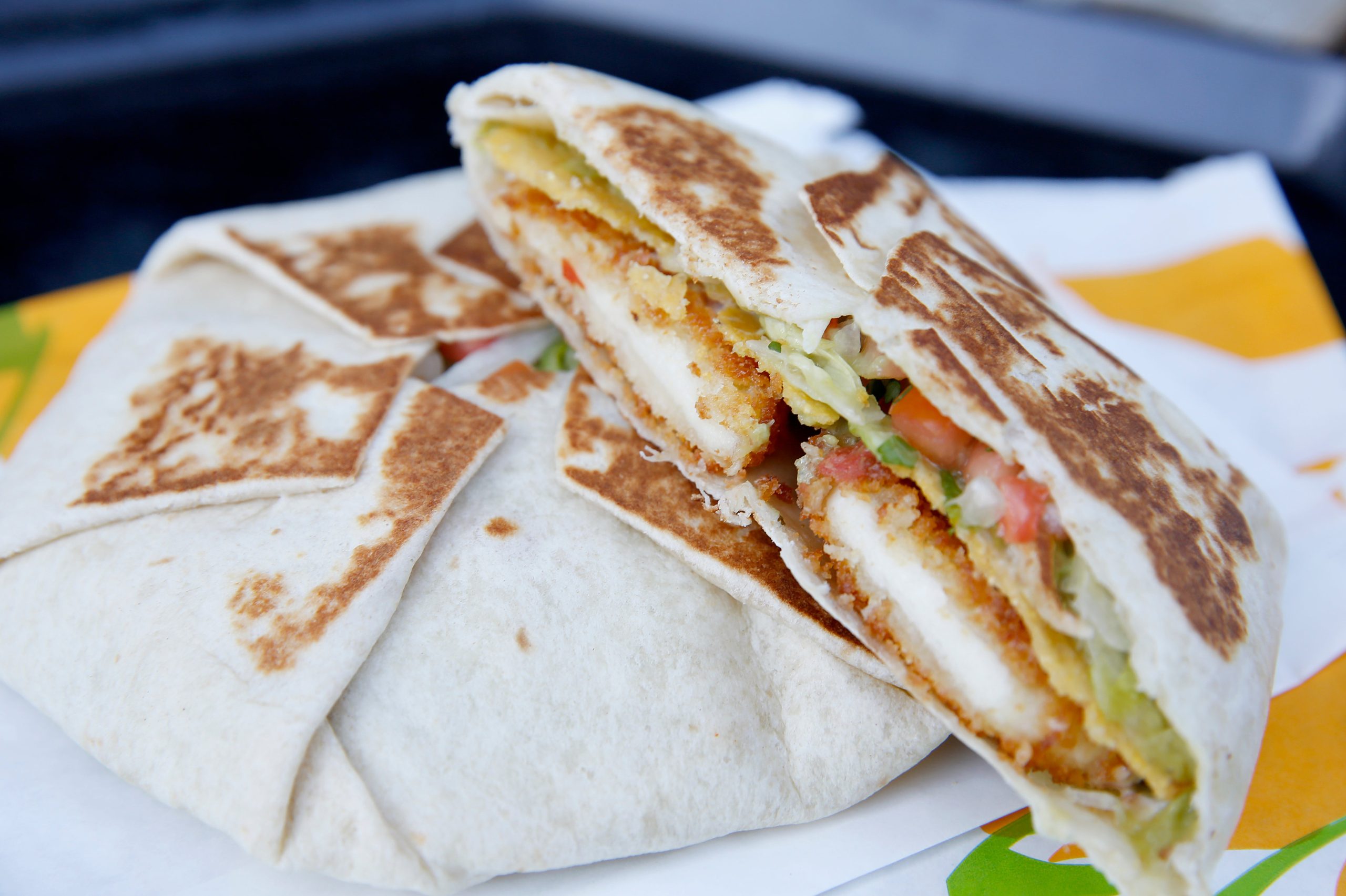
Despite widespread awareness of sodium’s health implications, most Americans consistently exceed recommended daily limits. The average American consumes approximately 3,400 milligrams of sodium each day, significantly more than the 2,300 milligrams advised by health guidelines. This translates to roughly one and a half teaspoons of salt daily, contributing to nearly half of all American adults living with high blood pressure.
The long-term consequences of elevated blood pressure are severe, dramatically increasing the risk of life-threatening cardiac events. Data from the Centers for Disease Control and Prevention indicates that nearly 800,000 Americans experience a stroke annually, with one in six heart disease-related deaths in 2022 attributed to stroke. Additionally, approximately 805,000 individuals suffer a heart attack in the U.S. each year, underscoring the critical link between diet and cardiovascular disease.
For enthusiasts of halloumi, moderation is crucial. Registered nutritionists advise adherence to recommended serving sizes to mitigate sodium intake. A typical recommended serving of 30 grams of halloumi contains around 330 milligrams of sodium, a more manageable amount when incorporated into a balanced diet. Being mindful of portion sizes is paramount when preparing and consuming this versatile cheese.
Beyond its sodium content, halloumi does offer valuable nutritional benefits. Made traditionally from sheep’s and goat’s milk, it is a good source of protein and provides essential minerals such as calcium, contributing about 20 percent of the daily recommended amount per ounce. It also contains zinc, vital for immune function, and vitamin A, which is crucial for maintaining healthy vision and overall immune health.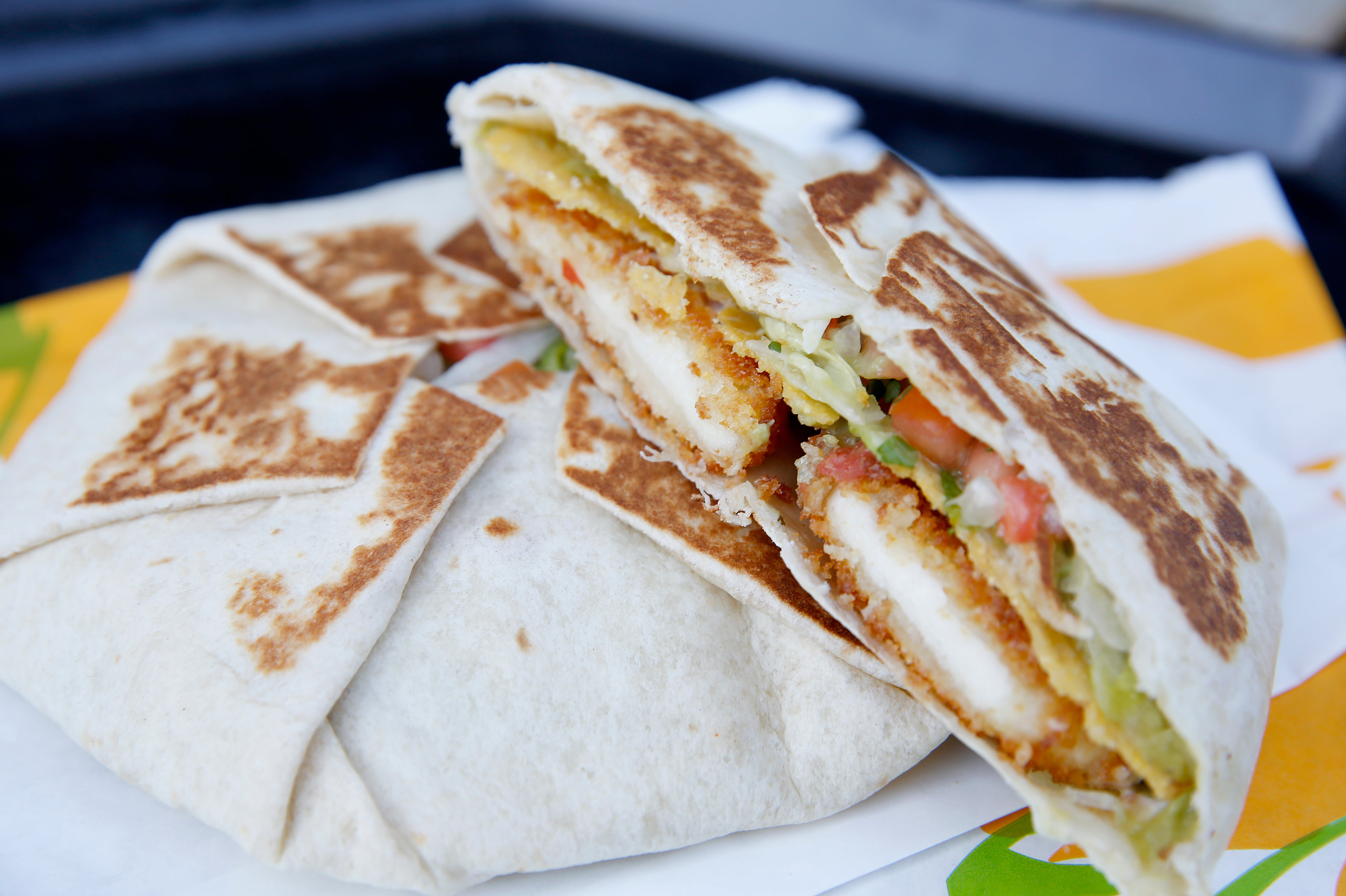
Consumers can continue to enjoy halloumi by making informed choices about portion control and overall dietary sodium. Balancing its unique culinary appeal with an understanding of its nutritional profile, particularly its sodium levels, allows for its inclusion in a heart-healthy eating plan, ensuring both flavour and well-being are considered.

![[post_title]](https://samony.com.ng/wp-content/uploads/2025/12/Police-Arrest-Influencer-Peller-Over-Reckless-Driving-300x268.jpg?lm=6941E302 "Lagos Police Arrest Influencer Peller Over Reckless Live-Stream Crash")
![[post_title]](https://samony.com.ng/wp-content/uploads/2025/12/US-military-branch-officially-stops-classifying-swastikas-as-hate-symbols.avif "US Coast Guard Swastika Classification Prompts Widespread Concern")
![[post_title]](https://samony.com.ng/wp-content/uploads/2025/12/Beautiful-Lady-Discovered-Dead-Inside-The-Hotel-Room-After-Lodging-300x172.png?lm=6941E12D "Woman Found Dead in Hotel Room After Checking In With Unidentified Man")


![[post_title]](https://samony.com.ng/wp-content/uploads/2025/12/Guadalajara-vs-Barcelona-Copa-del-Rey-Team-News-Preview-Lineups-1024x532.jpg?lm=6941E559 "Barcelona Faces Guadalajara in Copa del Rey Round of 32")
![[post_title]](https://samony.com.ng/wp-content/uploads/2025/12/Samsung-releasing-new-Micro-RGB-TVs-in-2026-1024x532.jpg?lm=6941E57F "Samsung Expands Micro LED TV Lineup to Smaller Sizes")
![[post_title]](https://samony.com.ng/wp-content/uploads/2025/12/Police-Arrest-Influencer-Peller-Over-Reckless-Driving.jpg?lm=6941E300 "Lagos Police Arrest Influencer Peller Over Reckless Live-Stream Crash")
