Erling Haaland’s Century: More Than Just Goals, a Sign of Football’s Evolution
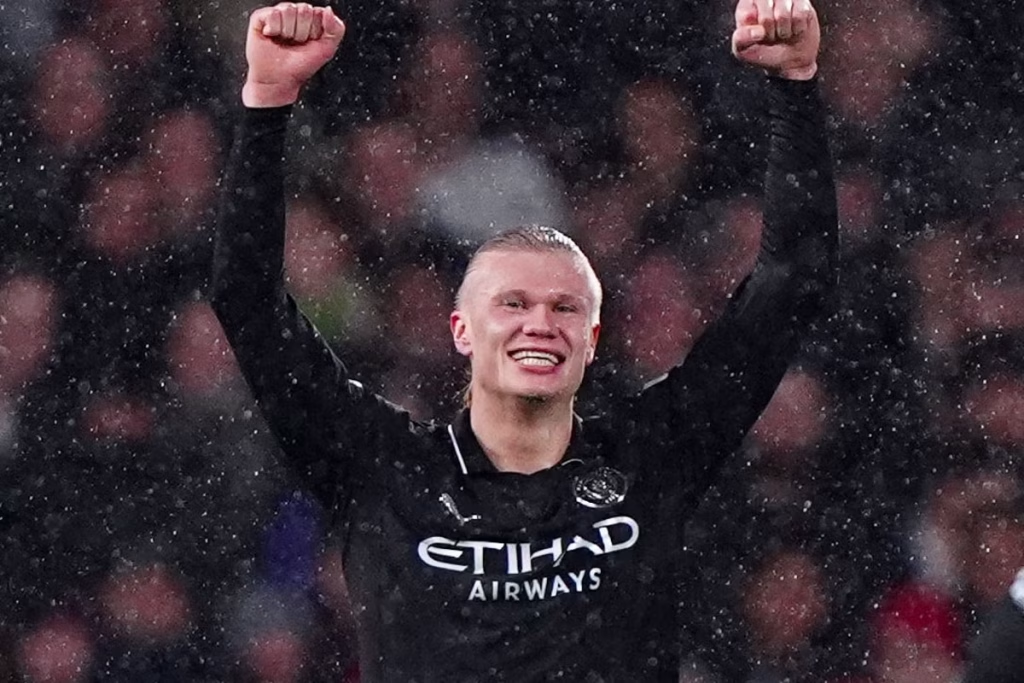
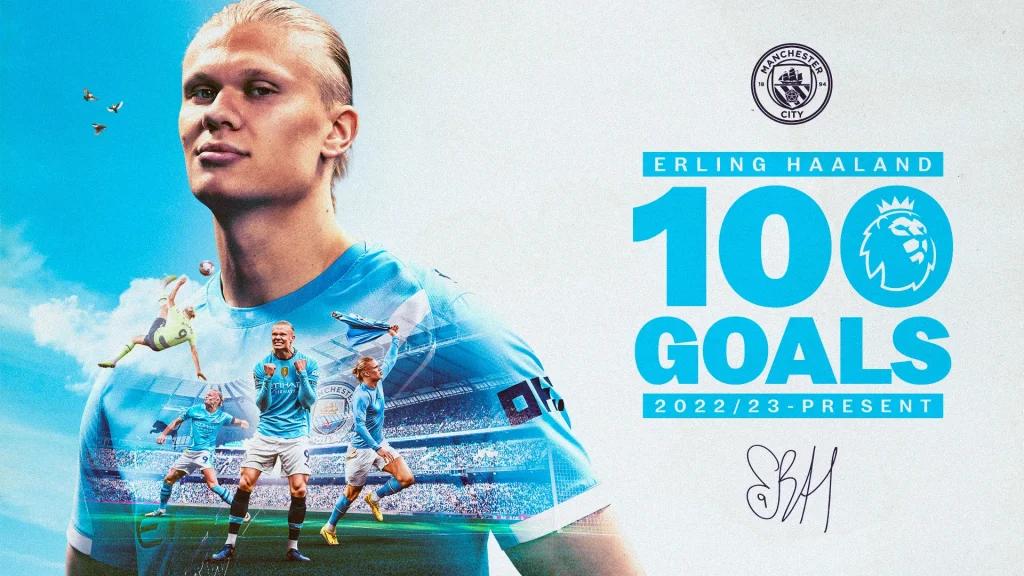
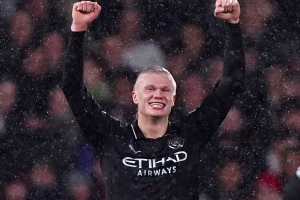
Erling Haaland just smashed the record for the fastest 100 Premier League goals, hitting the milestone in a mere 111 games. Alan Shearer, a legend in his own right, previously held the record at 124 matches. It’s tempting to just celebrate the raw power and skill. Still, a closer look at Haaland’s achievement offers glimpses into deeper shifts happening in football.
Let’s be clear. Haaland’s accomplishment is breathtaking. His goal-scoring rate since joining Manchester City in 2022 has been nothing short of phenomenal. A staggering 36 goals in his debut Premier League season shattered existing records. Twenty-seven goals followed, then another 22, even amidst a team dip. These numbers don’t just happen. They reflect dedication, natural talent, and a system that amplifies his strengths. >
>
Yet, it’s worth considering the context. Football isn’t static. The game’s structure has drastically changed. Tactical evolution plays a significant role. The rise of data analytics and advanced training techniques contribute immensely. Today’s players benefit from resources and strategies Shearer and his contemporaries couldn’t have imagined. Is it solely Haaland’s individual brilliance, or a product of a more optimized environment? It’s likely a blend.
The Norwegian’s electrifying start to the 2025/26 campaign has already yielded 15 league goals. He now has a total tally of 33 goals after 24 games for club and country. That kind of production underlines his consistency. Yet, some skepticism is warranted. Can he maintain this pace? History suggests even the most dominant players face periods of adjustment or decline.
This challenge raises questions about long-term sustainability in modern football. The physical demands are relentless. The pressure to perform is immense. And with the ever-present risk of injury, maintaining peak performance over an extended period is incredibly tough.>
It’s worth noting Pep Guardiola’s role in all this. He didn’t just sign Haaland. He integrated him into a meticulously crafted system at Manchester City. This system maximized Haaland’s strengths while mitigating his weaknesses. Guardiola’s tactical acumen and ability to adapt are undeniable assets. They undoubtedly helped elevate Haaland’s performance.
Given these facts, it is easy to proclaim Haaland as the future of football. Yet, that might be a premature statement. Football constantly reinvents itself. New talents emerge, and tactics evolve. What works today may not work tomorrow. The sport’s beauty lies in its unpredictability.
Consider the impact of Haaland’s success on youth development. Young players will aspire to emulate his style of play. Clubs will seek to identify and nurture the next Haaland. This focus on a specific type of striker could inadvertently limit diversity in attacking styles. It could also mean that equally valuable, but different, talents are overlooked.
To that end, it is pertinent to look at the role of agents and commercialization in football. Player transfers are becoming increasingly lucrative. The pressure to generate revenue can sometimes overshadow sporting considerations. Agents wield significant power, shaping players’ careers and influencing club decisions. It’s a complex ecosystem where talent, money, and ambition intersect.
This achievement, of course, benefits Manchester City. Haaland’s goals aren’t just statistics. They translate into victories, trophies, and global recognition. This success further strengthens City’s brand and enhances its appeal to sponsors and fans. In a competitive market, having a superstar like Haaland is a huge advantage.
It’s intriguing to consider the psychological aspect of Haaland’s dominance. Defenders are visibly intimidated by his presence. His reputation precedes him, creating a mental edge before the game even begins. That psychological factor can significantly impact a match’s outcome.
Haaland has undoubtedly reshaped expectations for strikers. He has set a new benchmark for goal-scoring prowess in the Premier League. His impact extends beyond mere statistics. He has inspired a new generation of players and captivated fans worldwide. Still, we must remain vigilant to the ever-changing tides of football.
His record-breaking run also prompts a more philosophical discussion. Are we becoming too fixated on individual achievements? Football, at its core, remains a team sport. The focus on individual brilliance can sometimes overshadow the importance of collective effort and tactical cohesion. Maintaining a balance is crucial.
Haaland’s achievement is a testament to his extraordinary talent. It mirrors the evolving landscape of modern football. Let’s celebrate his accomplishments with a dash of critical thinking. It will reveal a deeper understanding of the forces shaping the beautiful game. It also provides a glimpse into what the future might hold.

![[post_title]](https://samony.com.ng/wp-content/uploads/2025/12/1764752038_Gary-Lineker-to-appear-on-Netflix-in-2026-World-Cup-300x202.jpg?lm=692FFAA9 "Lineker on Netflix? This Changes Everything About How We Watch Football.")