Analyzing Political Instability: The Case of Goodluck Jonathan in Guinea-Bissau
Political instability in West Africa is, sadly, not a new phenomenon. News recently emerged of former Nigerian President Goodluck Jonathan’s delayed return from Guinea-Bissau after a coup. It sounds almost ripped from a movie, yet such events continue to plague the region, highlighting persistent challenges within its political landscape.
Looking at the news, Jonathan’s “stranded” status, as some headlines put it, underscores the precariousness of election observation missions when governments get overthrown. These missions, ostensibly meant to foster democracy, become vulnerable the moment constitutional order is challenged. You can’t monitor a fair election when the military is in charge. It’s a bit like trying to bake a cake while someone keeps slamming the oven door.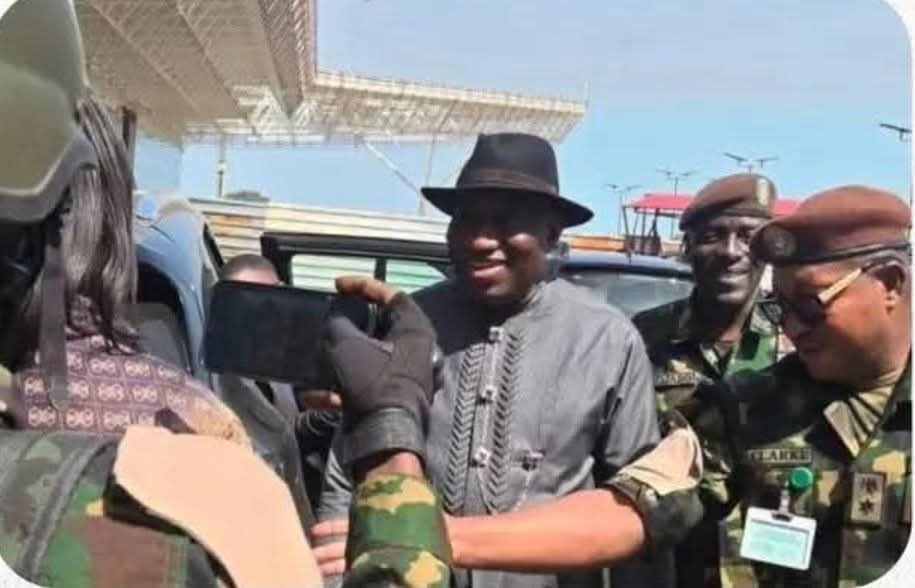 >
>
This situation asks difficult questions about the efficacy of interventionist approaches in stabilizing fragile nations. I’ve seen these types of missions before. Everyone has great intentions, of course, but the results are often mixed. Are we genuinely empowering local institutions, or simply imposing external solutions that crumble when the pressure hits?
The fact that a former president of Nigeria, an elder statesman in the region, got caught in the crossfire should raise concerns. It spotlights the level of risk that election observers and other international personnel face during these missions. We need to consider better safety protocols. Should there be more robust evacuation plans? How can we ensure the security of those working to support democratic processes?
It’s worth noting that coups in West Africa aren’t just isolated incidents. They seem to be part of a troubling trend, a domino effect that threatens regional stability. Factors like poverty, corruption, and ethnic tensions often fuel these power grabs. You can’t ignore the socio-economic roots when you consider political solutions. >
>
Still, understanding the root causes doesn’t excuse the undermining of democratic processes. The people of Guinea-Bissau, like citizens everywhere, deserve the right to choose their leaders freely and without coercion. Coups derail that right.
Beyond the immediate crisis, this situation begs the question: what role should Nigeria, and other regional powers, play in addressing these crises? Historically, Nigeria has played a leading role in ECOWAS (Economic Community of West African States) intervention efforts. Yet, these interventions haven’t always prevented further instability. Could a more proactive, preventative approach, focusing on strengthening governance and promoting economic development, be more effective in the long run? Perhaps diplomatic pressure and targeted sanctions need a greater emphasis before boots on the ground become necessary.
The visuals surrounding Jonathan’s arrival back in Abuja – the photos and video clips – present a certain narrative. They want to project an image of calm and control, downplaying any sense of panic or disruption. I wonder, however, if those images truly reflect the anxieties felt by everyone involved. We often only see the carefully curated public face.
The media framing of this event also requires scrutiny. Words like “stranded” can be sensationalist. While accurate in a literal sense, they might oversimplify the complex political realities at play. Nuance is essential. A more thoughtful analysis should delve into the underlying causes of the coup and the potential consequences for Guinea-Bissau’s future.
This challenge of political instability in West Africa is not unique, but each instance carries its own particular nuances and complexities. It prompts us to rethink traditional approaches to conflict resolution and democracy promotion. Merely condemning coups isn’t enough. We must actively support initiatives that foster good governance, promote inclusive economic growth, and address the grievances that fuel political unrest.
In any case, what happened in Guinea-Bissau serves as a stark reminder that democracy is fragile and requires constant nurturing. Supporting free and fair elections is crucial, but it’s only one piece of the puzzle. Sustainable peace and stability require a multifaceted approach that addresses the underlying causes of conflict and promotes inclusive development. This demands a long-term commitment, not just short-term interventions.
The future of Guinea-Bissau, and indeed the wider West African region, hinges on the ability of its leaders and citizens to build strong, resilient institutions and create a society where everyone has a stake in the success of their nation. That’s a tall order, but it’s the only way to break the cycle of instability and build a brighter future for all. It’s a case study that deserves our attention. It is more than just a news story; it’s a reflection of deeper systemic issues.


![[post_title]](https://samony.com.ng/wp-content/uploads/2025/12/Nvidia-boss-Jensen-Huang-steers-Trump-Congress-against-AI-chip-300x169.jpg?lm=69324AE7 "Nvidia’s AI Power Play: Did Jensen Just Sway US Policy?")
![[post_title]](https://samony.com.ng/wp-content/uploads/2025/12/Warriors-vs-76ers-live-online-score-stats-updates-300x169.jpg?lm=6932376A "Warriors Face Sixers Test of Depth Amid Curry’s Absence")
![[post_title]](https://samony.com.ng/wp-content/uploads/2025/12/1764896764_Hegseth-orders-new-strike-that-kills-4-on-alleged-drug-300x200.jpg?lm=69322FFF "U.S. Military Strikes: Escalation, Ethics, and Accountability")
![[post_title]](https://samony.com.ng/wp-content/uploads/2025/12/Nigeria-Approves-Fiscal-Plan-Proposing-N545trn-2026-Budget-300x169.jpg?lm=69323047 "Nigeria’s N54.5 Trillion Budget: Ambition vs. Reality")

![[post_title]](https://samony.com.ng/wp-content/uploads/2025/12/How-to-watch-todays-Toronto-Raptors-vs-Los-Angeles-Lakers-1024x576.jpg?lm=693253BE "Raptors Host Lakers: Key Matchups, Injuries, and Game Analysis")