

![[post_title]](https://samony.com.ng/wp-content/uploads/2025/11/1764437755_So-bitter-Lady-loses-brother-four-days-after-her-fathers-1024x535.jpg?lm=692B2F02)
Navigating Grief in the Digital Age: A Critical Look at Shared Tragedy
A recent story circulating online details a woman’s devastating loss: her brother passed away just days after their father’s funeral. The TikTok post, raw with emotion, quickly went viral, triggering an outpouring of online condolences. This unfortunate event raises a complex set of questions about how we process grief, share personal tragedies, and engage with loss in an increasingly digital world.
Social media has fundamentally reshaped the landscape of mourning. Platforms like TikTok, Instagram, and Facebook become outlets for expressing sorrow, seeking support, and memorializing loved ones. This woman’s choice to share her pain on TikTok, while deeply personal, reflects a broader trend. Sharing offers a sense of connection, creating a virtual support network that extends beyond immediate family and friends. >
>
Yet, there’s a delicate balance at play. The speed and reach of social media can amplify grief, making it public in a way that might not be ideal for everyone. Consider the potential for unwanted attention, insensitive comments, or the pressure to perform grief for an audience. Not everyone copes with loss in the same manner, and the very public nature of online mourning can feel performative, even if unintentionally so.
It’s worth pondering the motivations behind sharing such a personal experience online. Is it purely a cry for help and support? Or does it speak to a deeper need for validation and connection in an era where online interaction often substitutes for face-to-face relationships? Certainly, the comments sections on these posts showcase genuine empathy and well-wishes. Still, one must question whether this type of engagement provides lasting comfort or simply a fleeting moment of solace.
The story highlights another important point: the lack of context surrounding the brother’s death. The original post offered no explanation, leaving room for speculation and potentially inaccurate narratives to form. This lack of information can inadvertently fuel misinformation. In a world where sensationalism often trumps sensitivity, tragic events like these can become fodder for clickbait and shallow commentary.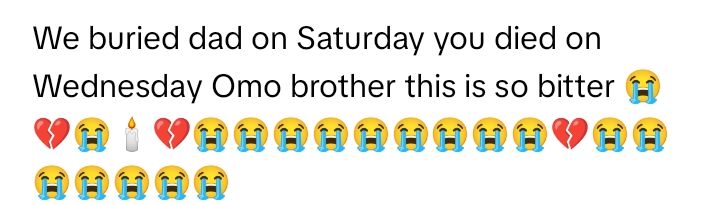 >
>
Looking at the reactions, many users offered condolences, with some even sharing their own experiences with loss. There’s an undeniable power in shared grief, a sense of community that can arise from collective sorrow. Yet, these comments also expose the potential for comparison and one-upmanship, where individuals unintentionally compete to express the deepest pain. Navigating these interactions requires sensitivity and a genuine desire to support, rather than overshadow, the original poster’s grief.
This situation prompts reflection on our own online behaviors. Do we pause to consider the impact of our words before posting condolences? Are we truly offering support, or are we simply seeking to demonstrate our own empathy? There are no easy answers. Each situation is unique, and navigating these complexities requires a level of emotional intelligence that isn’t always present online.
This tragedy also underscores the importance of responsible journalism. Reporting on personal tragedies requires sensitivity, accuracy, and a respect for the privacy of those involved. It is a challenge for media outlets to balance the public’s interest in these stories with the need to avoid exploiting someone’s pain for clicks and shares.
Given these facts, we need to develop a more nuanced understanding of how social media affects our grieving processes. There are benefits, of course – the opportunity to connect with others, to find support, and to memorialize loved ones in a digital space. This technology can also inadvertently create a public spectacle of private sorrow.
It seems crucial to approach these situations with empathy, understanding, and a healthy dose of skepticism. It’s not enough to simply offer condolences; we must also strive to create a digital environment that is supportive, respectful, and mindful of the unique challenges of grieving in the online age.
Having witnessed similar patterns emerge time and again, I find myself cautiously optimistic about our ability to learn and adapt. The conversations surrounding mental health and online well-being are certainly gaining traction. However, it remains to be seen whether we can truly cultivate a digital space that is both connected and compassionate, where individuals can share their pain without fear of judgment or exploitation.
Ultimately, the story of this woman’s loss serves as a poignant reminder of our shared humanity and the ever-evolving ways in which we navigate life’s most difficult moments. It forces us to grapple with the complexities of grief in the digital age and challenges us to be more thoughtful, empathetic, and responsible in our online interactions. We all have a role in shaping this landscape and ensuring that it becomes a source of support, rather than a catalyst for further pain.

![[post_title]](https://samony.com.ng/wp-content/uploads/2025/11/1764438110_Tommy-Lee-pens-wistful-note-on-auctioned-off-safe-that-once-300x200.jpg?lm=692B3060 "From Scandal to Commodity: Reading the Tommy Lee Safe Auction")
![[post_title]](https://samony.com.ng/wp-content/uploads/2025/11/VeryDarkMan-in-Support-of-Seyi-Tinubu-for-Lagos-2027-287x300.jpg?lm=692B307E "VeryDarkMan Backs Seyi Tinubu for Lagos Governor: A Youth Power Play?")
![[post_title]](https://samony.com.ng/wp-content/uploads/2025/11/The-US-In-Particular-Do-Not-Tolerate-Other-Countries-Reaching.jpeg?lm=692B2C78 "Iran’s Nuclear Program: Science, Politics, and Perception")
![[post_title]](https://samony.com.ng/wp-content/uploads/2025/11/1764437419_Tom-Stoppard-dies-aged-88-as-tributes-paid-to-legendary-300x158.jpg?lm=692B2DAE "Tom Stoppard, a Playwriting Legend, Just Passed—Let’s Talk About His Genius")

![[post_title]](https://samony.com.ng/wp-content/uploads/2025/11/Tinubu-nominates-Fani-Kayode-Omokri-in-new-ambassador-list-300x201.jpeg?lm=692B2B3E "Tinubu’s Ambassadorial Nominees: Balancing Politics, Experience, and Nigeria’s Global Ambitions")

![[post_title]](https://samony.com.ng/wp-content/uploads/2025/11/The-195-Black-Friday-deals-you-can-still-get-1024x532.jpg?lm=692B2F66 "Black Friday Leftovers: Tech Deals Still Live, Shopping Habits Shifting")
![[post_title]](https://samony.com.ng/wp-content/uploads/2025/11/1764438110_Tommy-Lee-pens-wistful-note-on-auctioned-off-safe-that-once-1024x683.jpg?lm=692B3062 "From Scandal to Commodity: Reading the Tommy Lee Safe Auction")
![[post_title]](https://samony.com.ng/wp-content/uploads/2025/11/VeryDarkMan-in-Support-of-Seyi-Tinubu-for-Lagos-2027.jpg?lm=692B307D "VeryDarkMan Backs Seyi Tinubu for Lagos Governor: A Youth Power Play?")
