

![[post_title]](https://samony.com.ng/wp-content/uploads/2025/12/The-winter-spice-found-to-control-blood-sugar-and-protect-1024x683.jpeg?lm=692D298F)
Unpacking the Hype: Ginger’s True Potential in Health and Wellness
Ginger, that pungent rhizome we often encounter in teas and Asian-inspired dishes, has been lauded for centuries in traditional medicine. But what does the science really say about its health benefits? Are the claims justified, or is this just another case of overblown wellness trends?
The rising consumer interest in natural remedies undeniably fuels the ginger craze. You see it everywhere now – ginger shots, ginger supplements, ginger-infused everything. We need to ask: is the evidence keeping pace with the marketing?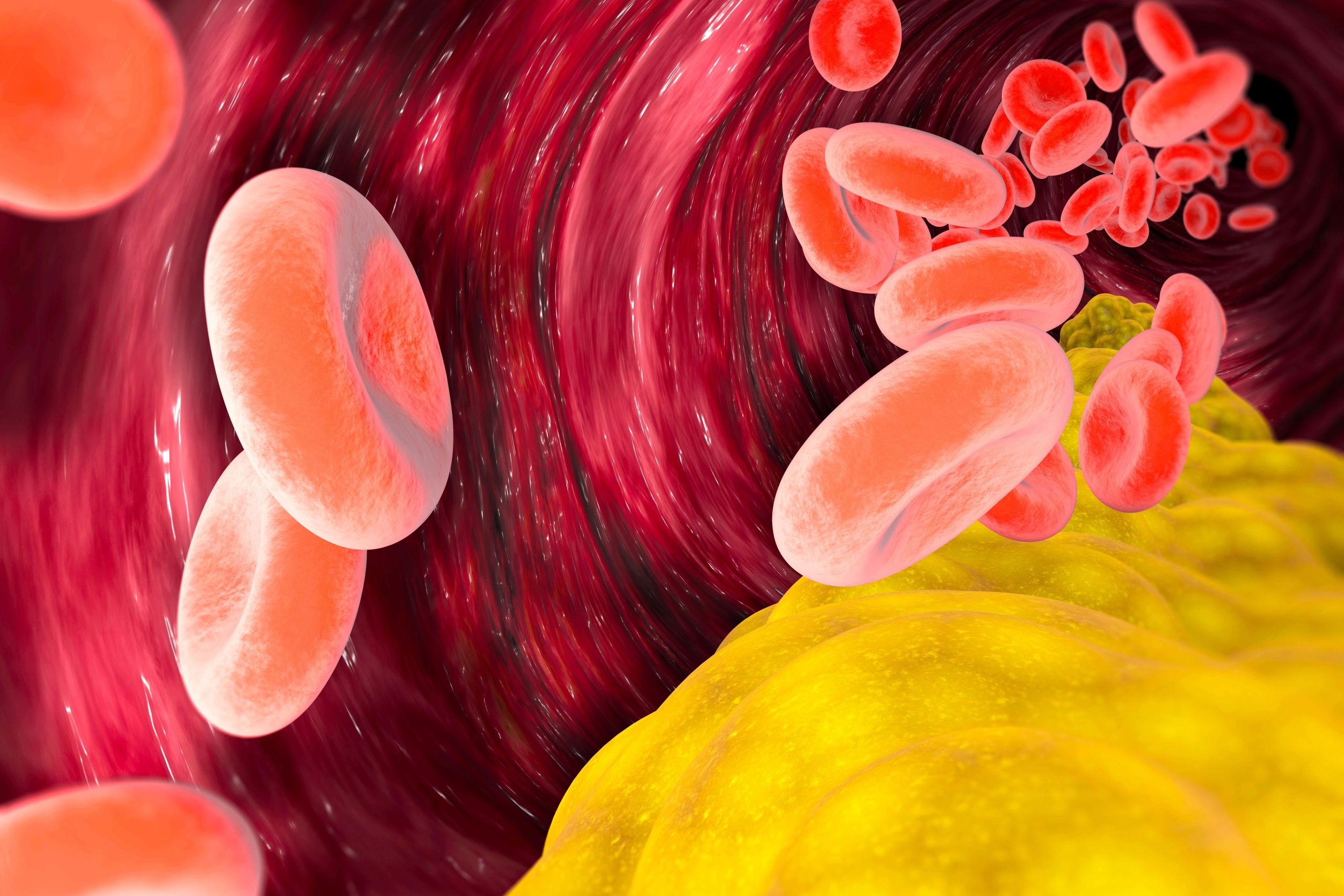 >
>
Easing Nausea: A Solid Win for Ginger?
One area where ginger shows genuine promise is nausea relief. Studies do back this up, especially for pregnancy-related queasiness. The NHS even suggests it. Yet, before you swap your prescription meds for ginger snaps, remember this: the effect is often dose-dependent. A little ginger may help, but mega-doses aren’t necessarily better and could even lead to unwanted side effects. I’ve personally seen people experience heartburn from excessive ginger consumption, ironically negating any potential nausea relief.
Inflammation: Calming the Fire Within? >
>
The anti-inflammatory properties of gingerol and shogaol, the active compounds in ginger, get a lot of attention. Certainly, test-tube studies reveal these compounds combat inflammation, including autoimmune conditions. Yet, transferring these findings directly to human health is still a journey. Some studies highlight ginger’s positive effects on diseases like lupus and rheumatoid arthritis through neutrophil regulation. I reckon there’s a possibility that ginger supplements can be a helpful, natural add-on for certain autoimmune conditions, but we definitely need more research to really confirm this. The form matters, too. Is that ginger tea you enjoy packing the same punch as a concentrated supplement? That question needs deeper examination.
Pain Management: A Natural Analgesic?
What about pain? The research here is a bit more nuanced. Some studies suggest ginger extract can ease knee pain from osteoarthritis, while others demonstrate reduced muscle soreness after exercise with ginger intake. Furthermore, some research indicates that ginger can actually ease menstrual pain. Still, the results aren’t always consistent, and individual responses can differ significantly. From my own experience advising patients, I always encourage them to view ginger as part of a holistic approach to pain management, rather than a standalone cure.
Heart Health and Diabetes: A Promising Ally?
Here’s where things get interesting, and perhaps a bit overhyped. The data hint that ginger might positively influence cholesterol levels, blood pressure, and blood sugar control, all crucial factors for heart health and diabetes management. A 2022 review indicated that ginger supplements can significantly improve cholesterol levels. Also, for individuals grappling with type 2 diabetes, ingesting one to three grams of ginger each day for a period ranging from four to twelve weeks may help improve blood sugar control. Yet, jumping to the conclusion that ginger is a replacement for established medical treatments would be premature. These findings suggest ginger could be a supportive tool, but a comprehensive strategy involving diet, exercise, and, when needed, medication, remains vital.
Brain Health and Cancer: Proceed with Caution
The claims surrounding ginger’s impact on brain health and cancer are the most speculative. While lab studies show some protective effects on brain cells and even potential to slow cancer cell growth, this research is preliminary. Translating these lab results into real-world benefits for humans requires much more investigation. I’ve observed the tendency for early-stage findings to be amplified into sensational headlines, creating unrealistic expectations. A healthy dose of skepticism is warranted here.
The Bottom Line: Context Matters
So, where does this leave us? Ginger certainly possesses some promising health benefits, particularly regarding nausea and potentially inflammation. It might offer support for pain management, heart health, and diabetes, but more robust research is crucial. As for brain health and cancer, the jury is still very much out.
Importantly, consider the form and dosage. Downing ginger ale loaded with sugar is unlikely to provide the same benefits as incorporating fresh ginger into your meals or sipping ginger tea. And remember, moderation is key.
Before you overhaul your supplement regimen or self-treat any medical condition with ginger, consult your doctor or pharmacist. Ginger can interact with certain medications, particularly blood thinners and diabetes drugs. A balanced perspective, grounded in science and individual circumstances, is crucial when exploring the potential of this ancient spice. It’s not a magic bullet, but it could be a valuable addition to a healthy lifestyle.


![[post_title]](https://samony.com.ng/wp-content/uploads/2025/12/US-asylum-seekers-Trump-stop-all-asylum-claim-decision-afta-300x169.jpg?lm=692D4CC6 "Trump’s Asylum Policy: Crisis and Control")
![[post_title]](https://samony.com.ng/wp-content/uploads/2025/12/1764576532_I-woke-up-naked-in-the-desert-and-survived-for-300x158.jpg?lm=692D4D14 "Ricky Megee’s Outback Survival: Fact, Fiction, and the Human Resilience Industry")
![[post_title]](https://samony.com.ng/wp-content/uploads/2025/12/Ive-Seen-Corruption-In-This-Budget-Ayodele-Breaks-Silence-Reveals-What-300x200.jpeg?lm=692D4D67 "Nigeria Budget: Prophecy or Politics Fueling Corruption Fears?")
![[post_title]](https://samony.com.ng/wp-content/uploads/2025/12/1764576654_BBC-programmes-abruptly-taken-off-air-as-staff-flee-after-300x158.jpg?lm=692D4D8F "BBC Scotland Fire: What It Really Means for the Future of News")


![[post_title]](https://samony.com.ng/wp-content/uploads/2025/12/Gilgeous-Alexander-scores-26-Thunder-beat-Trail-Blazers-for-12th-straight-1024x576.jpg?lm=692D2F5D "Thunder Rolling: OKC’s Dynasty Taking Shape?")
![[post_title]](https://samony.com.ng/wp-content/uploads/2025/12/US-asylum-seekers-Trump-stop-all-asylum-claim-decision-afta.jpg?lm=692D4CC5 "Trump’s Asylum Policy: Crisis and Control")
