

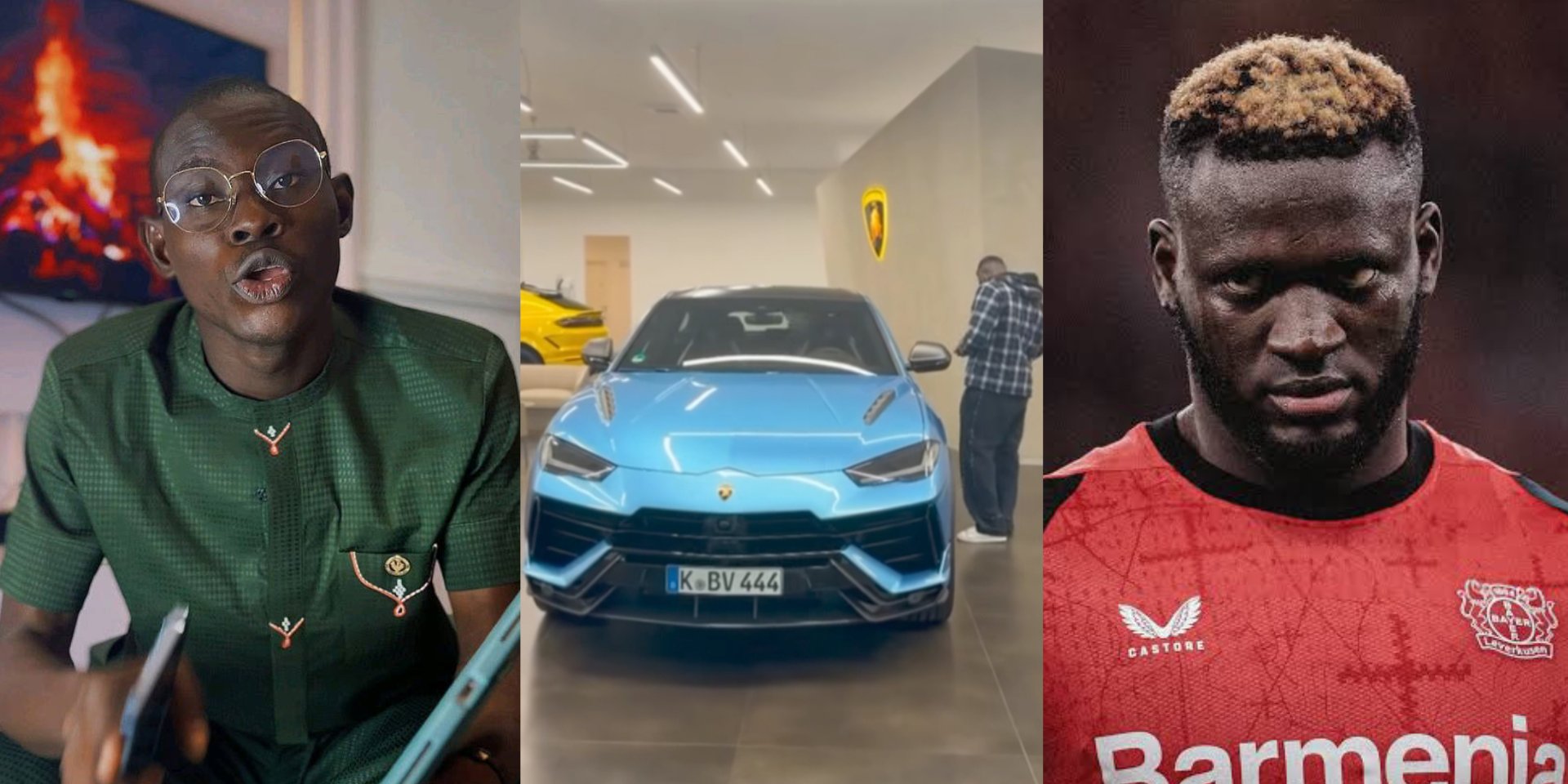
Victor Boniface’s Lamborghini Sparks Debate: Analyzing Celebrity Spending in Times of Crisis
The recent uproar surrounding Super Eagles striker Victor Boniface’s reported purchase of a ₦400 million Lamborghini unveils more than just a footballer’s extravagance. It highlights a growing tension: the responsibility of high-profile individuals in the face of widespread societal struggles. Social commentator Geh Geh ignited the controversy by questioning Boniface’s choice, particularly in light of the insecurity and economic hardship plaguing Nigeria. Geh Geh pointed to a specific instance – the kidnapping of a couple in Edo State, Boniface’s home, with a ₦70 million ransom demand – suggesting that the footballer’s resources could have been better directed.
This isn’t simply about “hating” on success. It touches a raw nerve. We’ve witnessed this narrative play out repeatedly, across different industries and countries: Celebrities flaunting wealth while everyday citizens grapple with very real problems. The optics, frankly, are never good. >
>
The core argument seems to be: Shouldn’t those with significant resources offer assistance during crises? The counter-argument, of course, is that individuals aren’t obligated to solve systemic issues that are the government’s responsibility. And to be fair, expecting one person to shoulder the burden of an entire nation’s problems is unrealistic. However, the situation evokes questions about morality and ethics.
It’s worth noting that celebrities and high-net-worth individuals face intense scrutiny. Their actions, especially spending habits, become public fodder. This scrutiny comes with the territory of fame and fortune, but it also fosters a climate of expectation. People expect them to “give back.” The debate reflects a deep-seated frustration with the perceived disconnect between the wealthy elite and the everyday struggles of ordinary citizens. This disconnect often fuels resentment and accusations of insensitivity.
Several people online have expressed divergent opinions. Some support Geh Geh’s viewpoint. They believe that public figures should exhibit empathy and contribute to easing national distress. Others defend Boniface, asserting his right to spend his earnings as he pleases. Both sides present valid points, reflecting the complexity of the issue.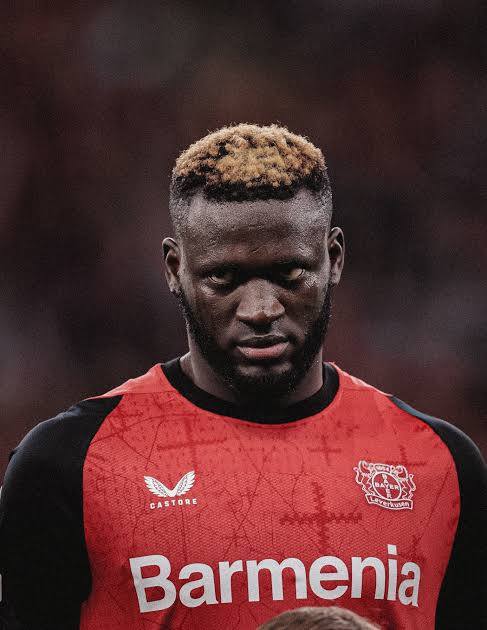 >
>
Now, let’s consider this from a broader perspective. We’re seeing a growing trend of athletes and entertainers investing in luxury goods. It’s a reflection of their success, a status symbol. Fine. Yet, is there a responsibility that comes with that success, a silent contract with the society that, in a way, facilitated it?
Looking back at similar instances, the public reaction often hinges on the context. A charitable donation, especially one that is made quietly, often softens the criticisms of lavish purchases. Transparency also plays a key role. Acknowledging the privilege and showcasing a commitment to social causes can alter perceptions.
It is important to remember that Boniface earned his money through hard work and dedication. He has the right to enjoy the fruits of his labor. Still, in a nation grappling with poverty and insecurity, a ₦400 million Lamborghini sends a particular message. It’s a symbol of immense wealth, potentially widening the perceived gap between the haves and have-nots.
This isn’t about dictating how someone spends their money. It’s about sparking a crucial conversation about social responsibility, wealth disparity, and the role of influential figures in shaping public perception. I wonder what would have happened if Boniface responded to this more proactively.
I’ve seen this pattern unfold across diverse sectors. An entrepreneur celebrates a massive deal while their employees are struggling with stagnant wages. A tech CEO unveils a groundbreaking invention while ignoring its potential ethical implications. The story is familiar.
The situation concerning Boniface’s Lamborghini purchase is a microcosm of a larger issue. It underscores the need for a more nuanced discussion about wealth, responsibility, and the impact of individual choices on the collective consciousness. It also forces us to examine our own expectations and the pressures we place on those in the public eye. Can celebrities be themselves and remain empathetic?
Ultimately, there’s no easy answer. But this incident prompts necessary introspection: what does it truly mean to be successful, and what obligations, if any, come with that success? Perhaps the real question is not whether Boniface should have bought the Lamborghini, but rather what he will do next, with his influence and his resources, to address the challenges facing his homeland. How will he answer this challenge?
Only time will tell if this serves as a wake-up call, prompting a shift towards more socially conscious actions among high-profile individuals.

![[post_title]](https://samony.com.ng/wp-content/uploads/2025/11/Someone-I-paid-her-bride-price-last-year-December-is-300x162.jpg?lm=69294195 "“Someone I paid her bride price last year December is now with a man in a hotel because of IPhone 16”,")
![[post_title]](https://samony.com.ng/wp-content/uploads/2025/11/1764311577_The-34-best-Lego-Black-Friday-deals-to-shop-right-300x169.jpg?lm=6929421A "The 34 best Lego Black Friday deals to shop right now at Amazon")
![[post_title]](https://samony.com.ng/wp-content/uploads/2025/11/Abubuwan-da-ke-faruwa-a-Najeriya-da-sauran-sassan-duniya-300x169.jpg?lm=69293DAE "Abubuwan da ke faruwa a Najeriya da sauran sassan duniya, Alhamis 27/11/2025")

![[post_title]](https://samony.com.ng/wp-content/uploads/2025/11/I-Kept-Hustling-And-Did-Lots-Of-Free-Jobs-Before.webp-300x178.webp?lm=69293928 "“I Kept Hustling And Did Lots Of Free Jobs Before Heaven Smiled On Me” – Lateef Adedimeji Opens Up On Career Struggles")


![[post_title]](https://samony.com.ng/wp-content/uploads/2025/11/1764310933_How-Russian-drones-targeting-civilians-are-turning-one-Ukrainian-city-1024x683.jpg?lm=69293F96 "How Russian drones targeting civilians are turning one Ukrainian city into a ‘human safari’")
![[post_title]](https://samony.com.ng/wp-content/uploads/2025/11/Someone-I-paid-her-bride-price-last-year-December-is-1024x555.jpg?lm=69294195 "“Someone I paid her bride price last year December is now with a man in a hotel because of IPhone 16”,")
![[post_title]](https://samony.com.ng/wp-content/uploads/2025/11/1764311577_The-34-best-Lego-Black-Friday-deals-to-shop-right-1024x576.jpg?lm=6929421A "The 34 best Lego Black Friday deals to shop right now at Amazon")
