


In the war-torn Gaza Strip, where a population of 2.2 million faces relentless conflict, the Holy Family Church stands as the sole Catholic place of worship, providing a beacon of faith and refuge for a dwindling community. Less than 100 Catholics remain in the enclave, down from 140 two years prior, amidst a broader Christian population that has also seen its numbers diminish significantly. Despite the ongoing hostilities, the church maintains its pivotal role, offering spiritual solace and practical support to those trapped by the violence.
Father Carlos Ferrero, the superior at the Holy Family Church in Gaza City, attests to the congregation’s unwavering commitment to worship, even as the journey to the church becomes fraught with danger. He describes navigating streets where “a lot of bombing and shooting” is a daily reality, forcing parishioners to exercise extreme caution against falling debris and stray fire. This resilience underscores the profound importance of their faith in the face of widespread devastation.
The church building itself has demonstrated remarkable endurance, surviving a rocket strike in July that resulted in three fatalities and 17 injuries, including Father Gabriel Romanelli. While the roof sustained damage and has since been repaired, the cross adorning the front facade remained untouched. Father Ferrero views this as a significant symbol of divine protection, noting that despite the intense tremors from nearby explosions, the church structure consistently holds strong.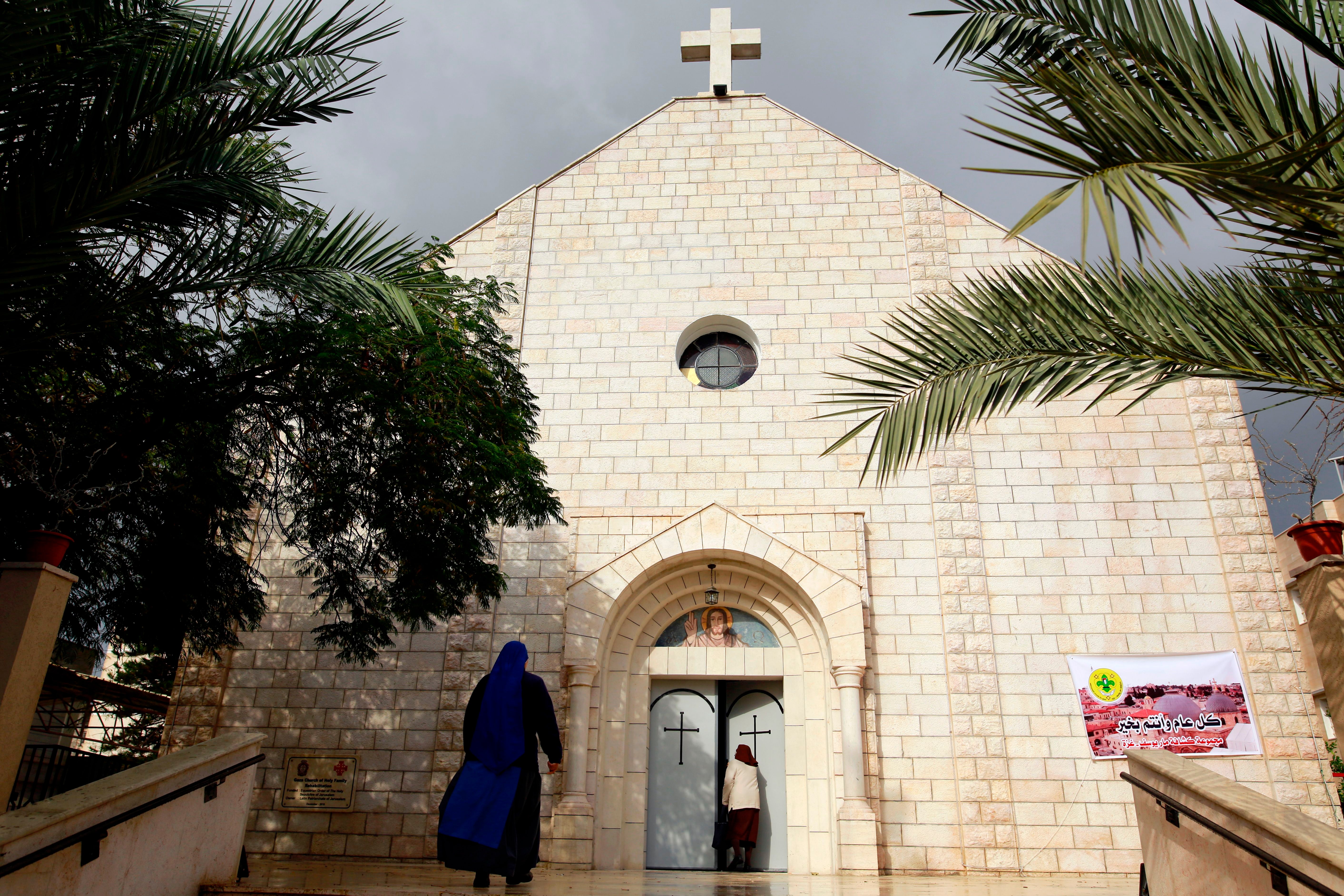
Since the Hamas terror attacks of October 7, 2023, Palestinian health authorities report more than 70,000 fatalities in the region. Although a US-brokered ceasefire was initiated months ago, Father Ferrero reports that daily shootings and bombings persist, albeit with less intensity than before. This slight reduction in violence has allowed residents a marginal increase in freedom of movement, yet the pervasive sense of insecurity remains.
Father Ferrero, who entered the strip last year with Father Romanelli as part of a pastoral visit organized by Jerusalem Patriarch Pierbattista Pizzaballa, expresses deep skepticism regarding the prospects for lasting peace or reconstruction. He observes a distinct lack of machinery to clear rubble and an apparent absence of intent to advance towards the second phase of any agreement. The future, he concedes, remains profoundly uncertain, prompting continuous prayers and appeals for international intervention.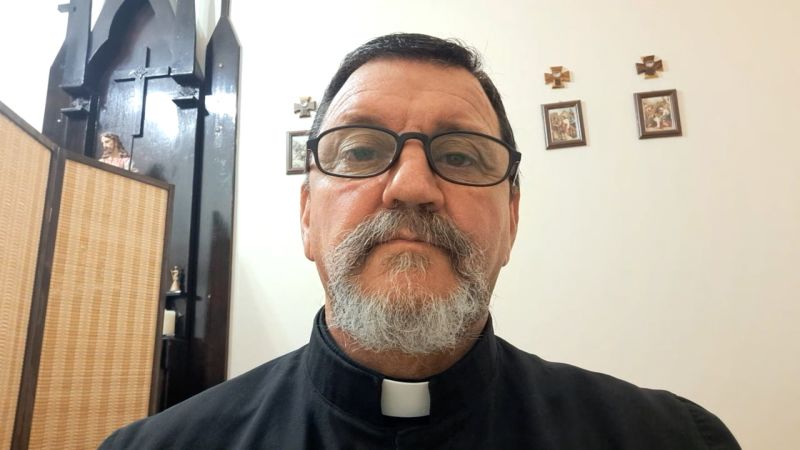
The Holy Family Church has transformed dramatically during the conflict, shifting from primarily a place of worship and education to a crucial humanitarian refuge. Its school, once considered among Gaza’s finest, was forced to close last June due to relentless bombing, with classrooms repurposed to house up to 400 displaced individuals. While the school has since reopened, offering a semblance of normalcy, the wider humanitarian situation remains dire, with aid inflows insufficient for the entire population.
Father Ferrero highlights the disparity in aid distribution, noting that while goods for commerce are available, humanitarian relief struggles to reach those most in need, particularly in Gaza City. The church community actively works to distribute any larger aid shipments among its surrounding neighborhoods, fostering cooperation and mutual support. This collective effort is vital in a landscape marked by scarcity and hardship.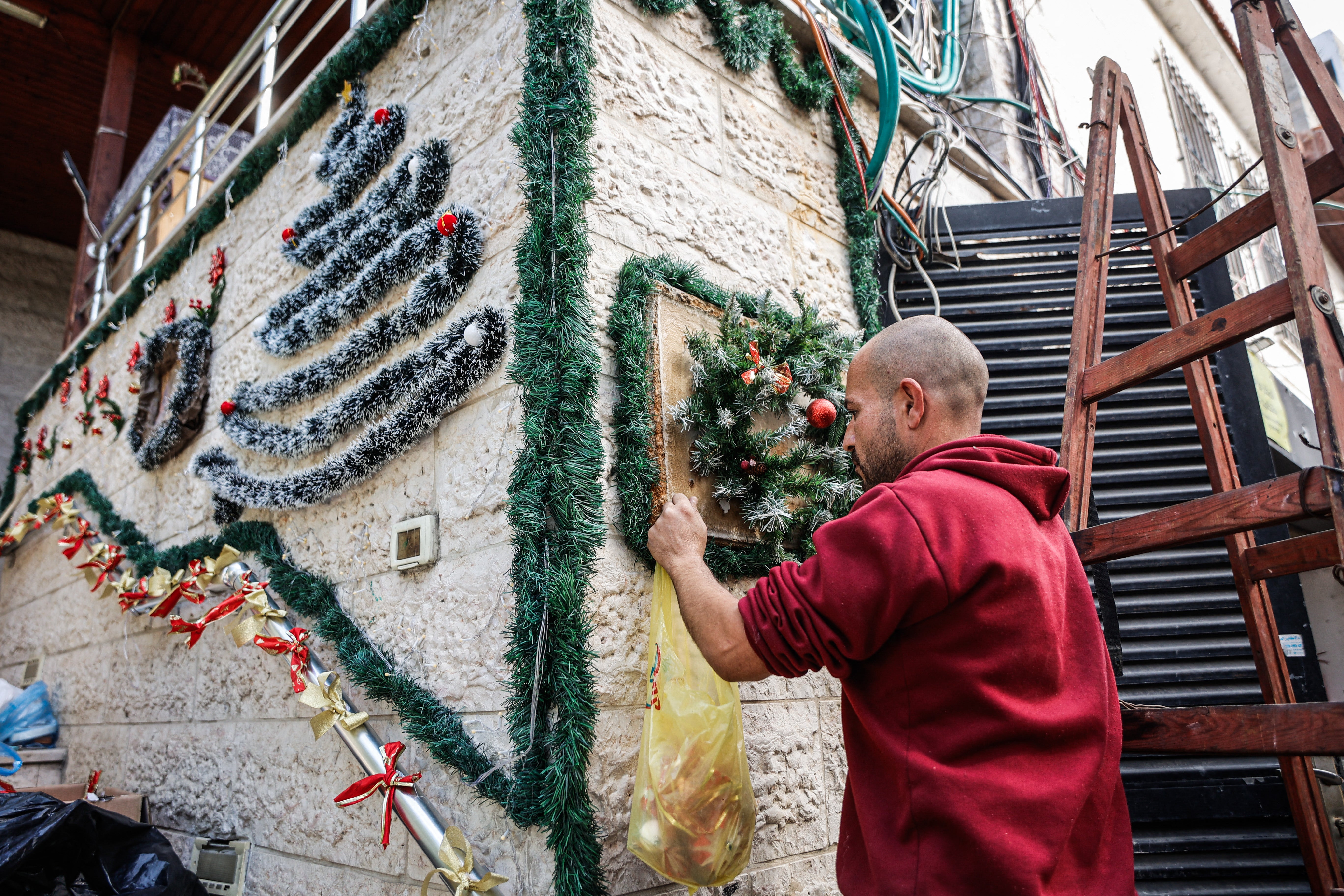
Amidst two years of conflict and an uncertain future, the church marked Christmas with a toned-down celebration. Despite initial doubts about erecting a tree due to ongoing suffering, parishioners in Zeitoun proudly displayed a large Christmas tree adorned with golden ribbons and baubles at the church entrance. This act, Father Ferrero explains, is a deliberate effort to maintain normalcy and uphold spirits, reinforcing the timeless message that “Christmas is always Christmas.”
The congregation has also garnered significant international attention, notably through the consistent support of Pope Francis. The Pontiff previously maintained daily contact with the priests during the most intense periods of the war, a demonstration of solidarity that provided immense comfort. While direct calls are now less frequent due to his extensive global responsibilities, the Vatican continues to maintain close contact, underscoring the enduring commitment of the Holy See to the embattled Christian community in Gaza.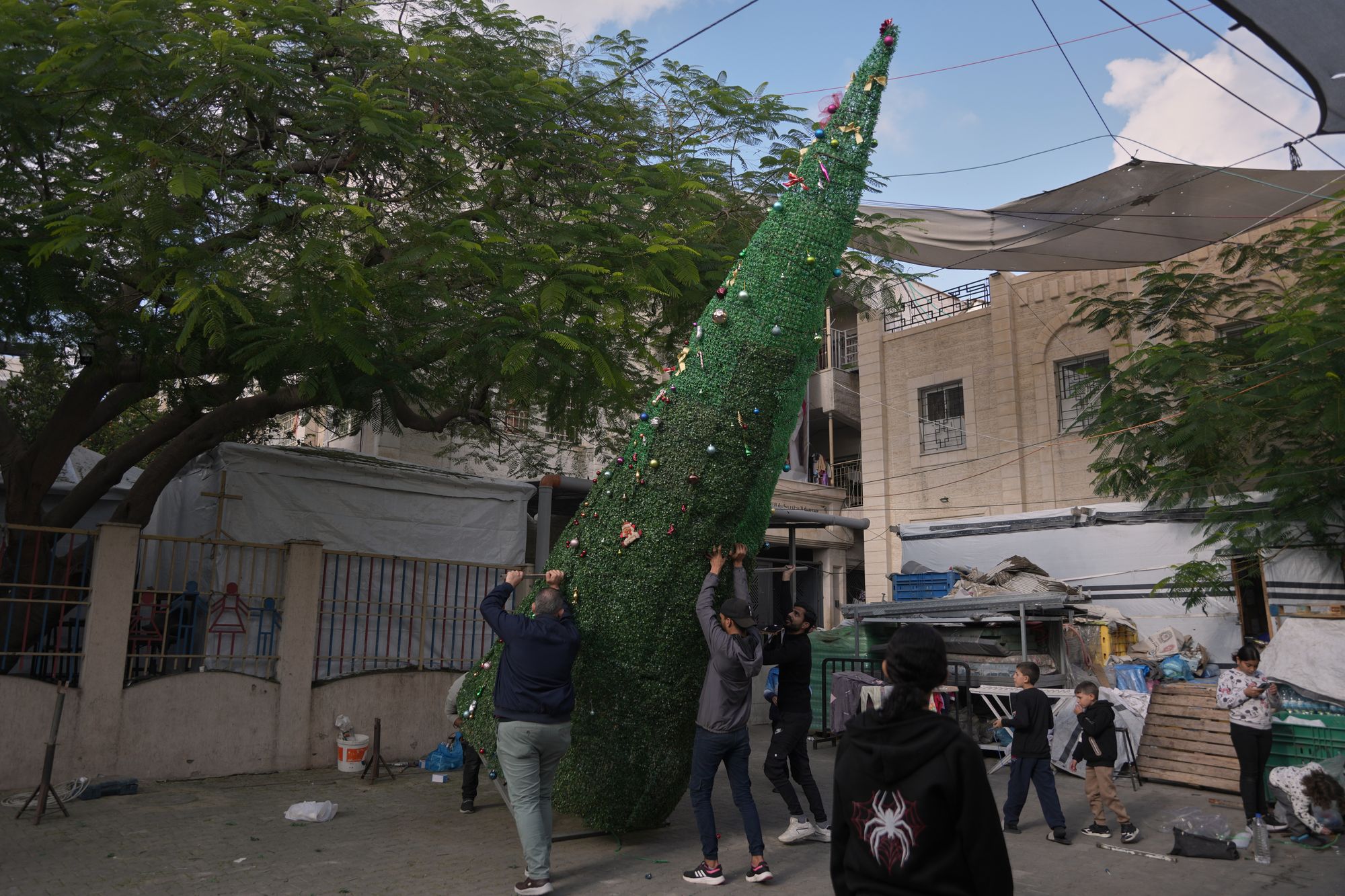
Despite the formidable challenges, the Holy Family Church perseveres as a symbol of hope and resilience. Its small Catholic community, though facing immense pressures and a shrinking presence, continues to embody profound faith and unwavering dedication to service, navigating the complexities of an ongoing humanitarian crisis with enduring spirit and a steadfast commitment to their spiritual mission.

![[post_title]](https://samony.com.ng/wp-content/uploads/2025/12/1766587765_Forgetting-about-the-championship-transformed-my-MotoGP-form-300x200.jpg?lm=694BFD77 "Acosta’s MotoGP Success: Mental Shift Key to Podium Consistency")





![[post_title]](https://samony.com.ng/wp-content/uploads/2025/12/1766587765_Forgetting-about-the-championship-transformed-my-MotoGP-form-1024x682.jpg?lm=694BFD78 "Acosta’s MotoGP Success: Mental Shift Key to Podium Consistency")

