

Decoding Football’s Evolution: More Than Just Goals and Glory
The football industry, a dynamic arena where strategy meets athleticism, continually transforms. Recent developments, like Chelsea’s gritty draw against Arsenal while down a man, offer a window into these shifts. But what does that single match really tell us about the bigger picture?
Focusing solely on individual game outcomes obscures the deeper trends reshaping the sport. The Independent’s report highlights Chelsea’s resilience and Arsenal’s continued push for dominance. Still, this game acts as a microcosm of broader strategic and financial forces at play within the Premier League.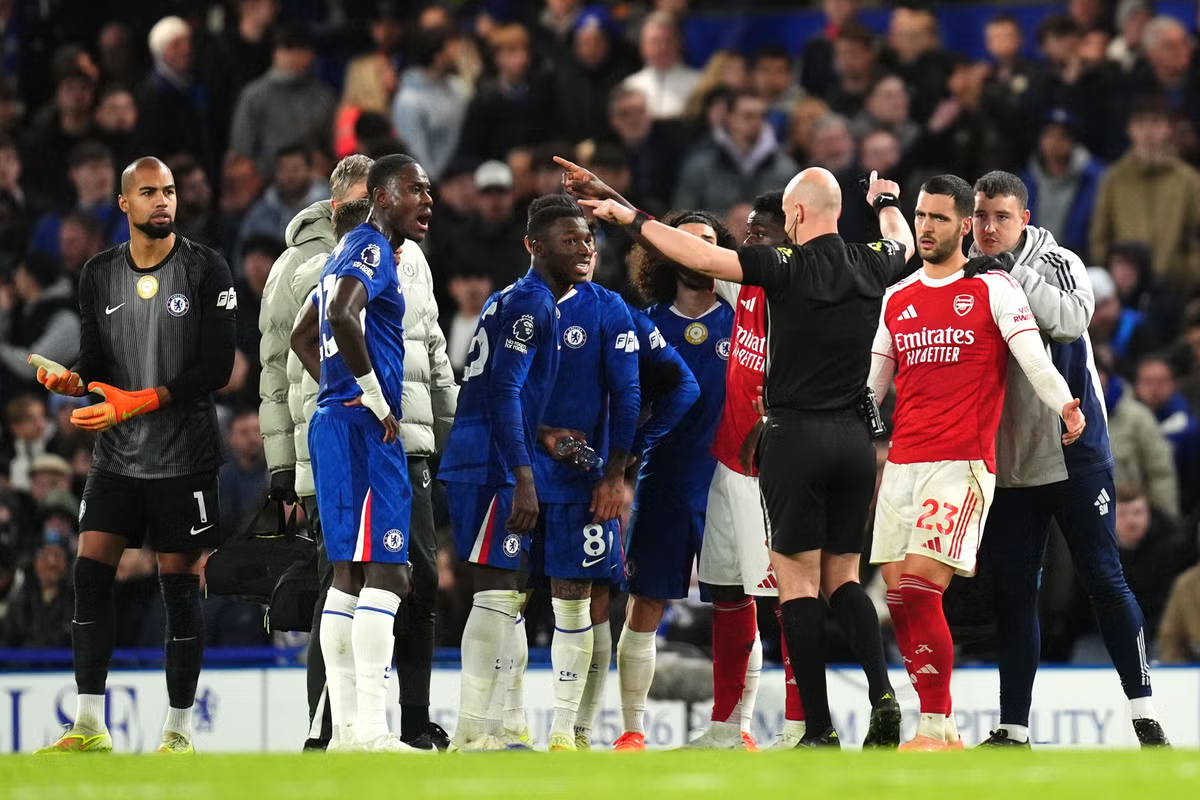 >
>
One element stands out: the ever-increasing emphasis on tactical flexibility. Enzo Maresca’s Chelsea managed to adapt after a red card. They shifted formation and maintained intensity. Such adaptability isn’t accidental. It reflects deliberate coaching and player training designed for in-game adjustments. Years ago, a red card might’ve meant certain defeat; now, teams possess the systems to cope.
Player valuations and transfer strategies also warrant scrutiny. The report mentions Moises Caicedo’s red card, a reminder of the immense pressure attached to high-priced acquisitions. These players must perform consistently. Their mistakes are amplified due to their cost. Clubs are paying huge money for talent. The scrutiny goes up, too. It is a challenge for the modern player.
There is a shift. Younger players are being tested more often. The Independent references Estevao’s near miss. This brings forward a bigger trend. Teams are willing to gamble on youth, recognizing the potential for rapid growth and long-term value. This strategy isn’t risk-free. Young players are inconsistent. Yet, the potential reward outweighs the risk for many clubs seeking to build sustainable success.>
Match officiating, specifically the implementation of VAR, keeps drawing debate. Caicedo’s red card, upgraded after a VAR review, sparks questions about consistency and the subjective nature of crucial decisions. While VAR aims to reduce errors, it simultaneously slows down the game and generates its own set of controversies. It will likely remain a point of contention among players, managers, and fans.
The financial disparity within leagues is undeniable. Arsenal’s ability to compete at the top reflects their investment in talent and infrastructure. Chelsea, despite recent spending sprees, are still finding their footing. This gap between elite clubs and the rest creates a competitive imbalance. That imbalance diminishes the league’s overall appeal. Financial Fair Play regulations try to level the playing field, but loopholes and creative accounting keep challenging their effectiveness.
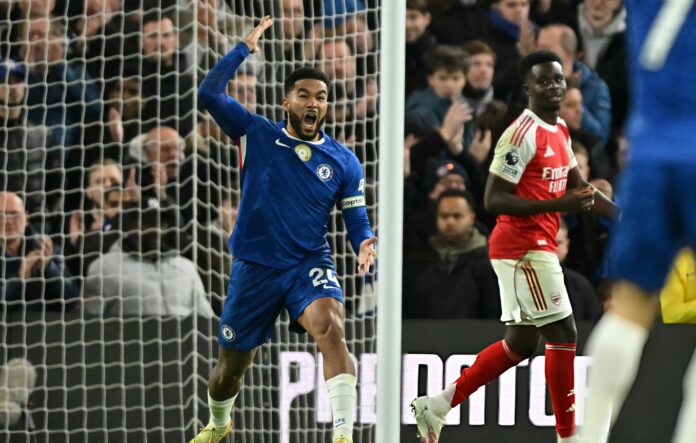
The relentless pursuit of marginal gains underscores much of this evolution. From set-piece routines, like the corner that led to Chalobah’s goal, to data-driven player analysis, teams leave no stone unturned in their quest for an advantage. These incremental improvements, when accumulated, can decide titles and Champions League qualification. Still, a constant focus on analytics risks overshadowing the human element: the passion, creativity, and sheer unpredictability that make football so compelling.
Consider the role of sports psychology. The mental fortitude displayed by Chelsea after going down to ten men reveals how valuable sports psychology has become. Teams now invest in mental conditioning to enhance player resilience and decision-making under pressure. This emphasis on the mental game acknowledges that physical talent alone isn’t enough to achieve sustained success.
Looking ahead, fan engagement will shape the direction of football. Clubs are constantly searching for new ways to connect with their global fan base, utilizing social media, streaming services, and personalized experiences. This drive for engagement must strike a balance between commercial interests and preserving the traditions that make football so cherished. Some innovations enhance the viewing experience; others feel like blatant money grabs. Navigating that line is vital.
The Independent’s match report captured a single snapshot. It highlighted Chelsea’s draw against Arsenal. Yet, by examining these broader industry trends, we can gain a deeper appreciation for the complexities and challenges facing football today. It’s a game of constant evolution. Success requires adapting, innovating, and above all, understanding the ever-changing landscape. Football isn’t just about what happens on the pitch; it’s about the intricate web of factors that influence every pass, tackle, and goal.

![[post_title]](https://samony.com.ng/wp-content/uploads/2025/11/1764533386_Emmerdale-star-couldnt-even-tell-his-wife-Lisa-Riley-was-300x158.jpg?lm=692CA48D "Emmerdale’s Lisa Riley: Jungle Gamble and Reality TV Game")
![[post_title]](https://samony.com.ng/wp-content/uploads/2025/11/My-favorite-snore-blocking-sleepbuds-are-down-to-their-lowest-price.webp-300x156.webp?lm=692CA136 "Sleep Tech Evolves: Are Anker’s Sleep Earbuds a Dream Come True?")
![[post_title]](https://samony.com.ng/wp-content/uploads/2025/11/Praat-mee-op-VP-Ajax-300x200.jpg?lm=692CA2B4 "Deconstructing Ajax-Groningen: Tactics, Pressure, and the Relentless Pursuit of Victory")

![[post_title]](https://samony.com.ng/wp-content/uploads/2025/11/1764531073_Idaho-bar-offering-a-month-of-free-drinks-to-customers-300x200.jpeg?lm=692C9B84 "Idaho Bar’s ICE Tip Promotion: Divisive Times")

![[post_title]](https://samony.com.ng/wp-content/uploads/2025/11/BREAKING-I-Saw-The-Aircraft-Of-President-Trump-Land-Somewhere.jpeg?lm=692CA36D "Bakare’s Vision: Trump, Nigeria’s Tech, and Geopolitics")
![[post_title]](https://samony.com.ng/wp-content/uploads/2025/11/1764533386_Emmerdale-star-couldnt-even-tell-his-wife-Lisa-Riley-was-1024x538.jpg?lm=692CA48D "Emmerdale’s Lisa Riley: Jungle Gamble and Reality TV Game")
![[post_title]](https://samony.com.ng/wp-content/uploads/2025/11/My-favorite-snore-blocking-sleepbuds-are-down-to-their-lowest-price.webp-1024x533.webp?lm=692CA139 "Sleep Tech Evolves: Are Anker’s Sleep Earbuds a Dream Come True?")
