

Analyzing Recent Football Industry Developments: A Critical Perspective
Manchester United’s struggles continue, VAR debates reignite, and player health takes center stage. Examining the unfolding narratives of football, we witness familiar patterns emerge amid novel circumstances. These developments underscore existing tensions and highlight areas ripe for evolution within the sport.
Manchester United’s Ongoing Turbulence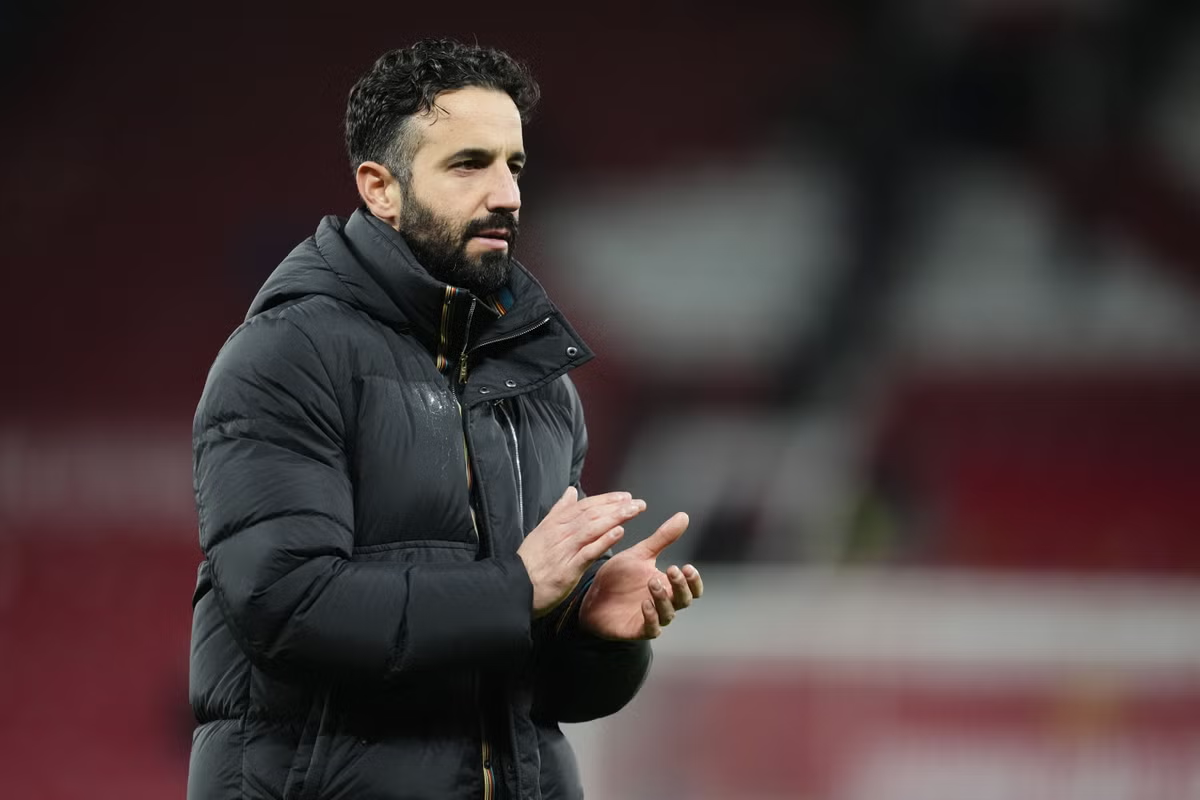 >
>
Ruben Amorim’s tenure at Manchester United hits another snag. A late equalizer against West Ham exposes lingering vulnerabilities. One might ask: Are the issues systemic, or are they merely symptomatic of deeper problems within the squad? United’s inability to consistently close out games speaks volumes about their current mentality and tactical execution. It appears a rebuild demands more than just fresh faces; a fundamental shift in culture and strategy is crucial. The boos at Old Trafford are not just dissatisfaction; they are a call for comprehensive change.
VAR: A Perpetual Source of Controversy
Pierluigi Collina’s advocacy for VAR on corner kicks sparks renewed discussions about the technology’s role. It’s worth noting the intent: minimize “honest mistakes” that impact game outcomes. Yet, expanding VAR’s scope raises concerns about further fragmentation of the game’s flow. Do we risk turning football into a series of micro-analyzed moments, sacrificing the organic nature of the sport? Supporters argue it’s a necessary step for fairness. Skeptics, myself included, worry about the potential for over-regulation and the erosion of the human element. In any case, the IFAB’s decision next month will set a precedent.>
Player Injuries and Health Concerns
Trent Alexander-Arnold’s injury adds to the growing list of sidelined players, raising questions about player welfare. A “muscular injury to the rectus anterior quadriceps” will keep him off the pitch for around two months. The relentless schedule and increased intensity of matches take their toll. Conversations around workload management and injury prevention become increasingly important. Clubs must prioritize player well-being not only for ethical reasons but also for long-term performance sustainability.
Shaka Hislop’s prostate cancer diagnosis brings a somber reminder of the challenges athletes face beyond the field. His openness in sharing his experience serves as a call to action, especially for men of Caribbean heritage, to prioritize health screenings and awareness. Hislop’s bravery can transform his personal battle into broader public health.
World Cup Draw and Upcoming Matches
The World Cup draw in Washington DC generates excitement. New narratives and potential rivalries emerge. For fans, it is the moment when dreams start to take shape. On the domestic front, Middlesbrough’s clash with Hull and Salford’s FA Cup tie offer compelling storylines. These matches matter, shaping team dynamics and momentum moving forward.
The Broader Landscape
These developments weave together to depict a football industry grappling with various pressures. The demand for perfection through VAR clashes with the inherent flaws of the game. The relentless pursuit of success tests the limits of player endurance. Still, these challenges also present opportunities. To that end, innovative approaches to player management, technology integration, and fan engagement can reshape football for the better.
Personal Reflections
Having watched these patterns unfold for years, I see recurring themes. Quick-fix solutions rarely address underlying issues. Genuine progress requires a holistic perspective, considering the interconnectedness of player well-being, technological advancements, and the sport’s fundamental spirit. It’s a balancing act, and the journey is far from over.

![[post_title]](https://samony.com.ng/wp-content/uploads/2025/12/1764911867_Ashes-2025-live-score-Head-dropped-on-three-as-England-300x194.jpeg?lm=69326AFC "Ashes 2025: England Faces Early Bowling Struggles, Missed Chances Against Australia")
![[post_title]](https://samony.com.ng/wp-content/uploads/2025/12/Blue-Jays-Election-top-Googles-Canadian-2025-Year-in-Search-300x169.jpg?lm=69326764 "Canada’s 2025 in Google Search: Blue Jays, Elections, and Global Concerns")
![[post_title]](https://samony.com.ng/wp-content/uploads/2025/12/VIO-Takes-Step-After-Appeal-Court-Ban-On-Impounding-Vehicles.webp.webp "They Banned Impounding Cars?! What Happens Now Is Actually Pretty Smart")
![[post_title]](https://samony.com.ng/wp-content/uploads/2025/12/How-to-watch-todays-Toronto-Raptors-vs-Los-Angeles-Lakers-300x169.jpg?lm=693253BE "Raptors Host Lakers: Key Matchups, Injuries, and Game Analysis")

![[post_title]](https://samony.com.ng/wp-content/uploads/2025/12/Is-Lifting-Weights-Good-for-Heart-Health-1024x576.jpg?lm=69326877 "Strength Training: A Powerful Workout for Heart Health")
![[post_title]](https://samony.com.ng/wp-content/uploads/2025/12/1764911777_Updated-More-nominees-make-Tinubus-ambassadorial-list.jpg?lm=69326AA1 "Nigeria’s Diplomatic Shakeup: Tinubu’s Ambassadorial Nominees Under Scrutiny")
![[post_title]](https://samony.com.ng/wp-content/uploads/2025/12/1764911867_Ashes-2025-live-score-Head-dropped-on-three-as-England-1024x662.jpeg?lm=69326AFD "Ashes 2025: England Faces Early Bowling Struggles, Missed Chances Against Australia")
