Analyzing Fan Behavior: The Terem Moffi Incident and Broader Football Industry Trends
The recent incident involving Super Eagles striker Terem Moffi and a segment of OGC Nice fans throws a spotlight on a recurring challenge within professional football: the complex and sometimes volatile relationship between players and supporters. News reports detail an assault on Moffi by a rogue faction, an action widely condemned by the club and its legitimate fanbase. It prompts a deeper look at the undercurrents shaping fan behavior and the responsibilities of clubs in safeguarding their players.
Having followed the game for years, I’ve seen similar situations flare up repeatedly. It’s rarely a simple case of isolated bad actors. The problem often stems from a confluence of factors. >
>
Performance Pressure and Fan Expectations:
High-stakes competition breeds intense emotions. When a team underperforms, frustration can boil over, sometimes directed unfairly at individual players. Moffi, as a key striker, might become an easy target when goals are scarce. The club’s statement acknowledging “frustration created by the succession of poor displays” hints at this pressure cooker environment. Yet, personal attacks cross a line, and it is vital to consider where the roots of such behaviors come from.
Social Media’s Amplifying Effect: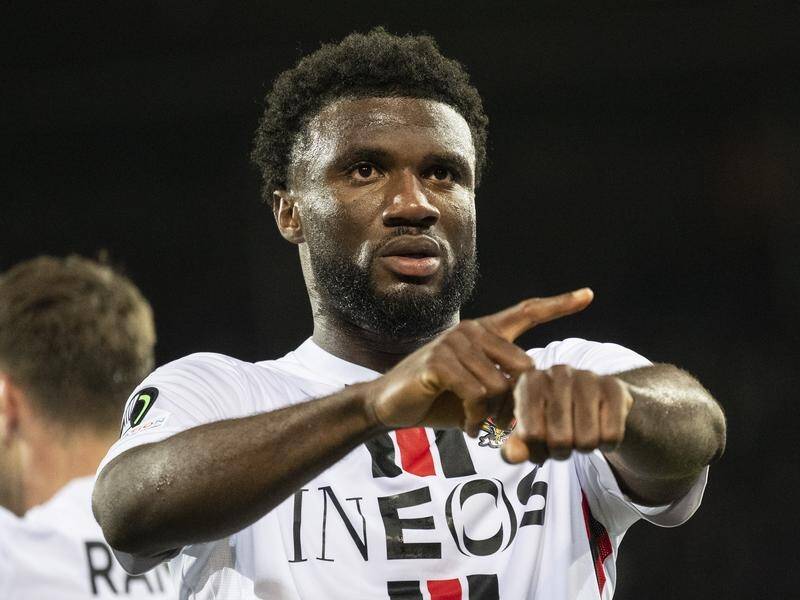 >
>
Social media has undoubtedly amplified both the positive and negative aspects of fan culture. While it enables players to connect with fans directly, it also provides a platform for toxic voices to spread quickly and gain traction. A single negative comment can snowball into a barrage of abuse, creating an incredibly hostile environment. It encourages knee-jerk reactions and reduces nuanced conversations.
The Role of Club Leadership and Security:
Here’s where things get interesting. It becomes a question of what clubs can do to mitigate these problems. OGC Nice has condemned the incident and promised an investigation, which is the right first step. Yet, is it enough? Do clubs have sufficient security measures in place to protect players from direct harassment, both at the stadium and training grounds?
Furthermore, club leadership must actively cultivate a culture of respect and tolerance among supporters. This requires consistent communication, clear codes of conduct, and decisive action against those who violate them. Some clubs are actively partnering with fan groups to promote positive behavior and address concerns proactively.
A Broader Look at Player Safety and Mental Health:
This incident involving Moffi fits into a wider conversation about player safety and mental well-being. Professional athletes operate under immense pressure, facing constant scrutiny and the threat of online abuse. If we want a healthy football ecosystem, clubs, leagues, and governing bodies must invest in comprehensive support systems for players. This includes providing access to mental health professionals, offering guidance on managing social media, and establishing clear reporting mechanisms for abuse and harassment.
It’s worth noting that the reported assault also raises questions about security protocols at training facilities. What measures are in place to prevent unauthorized access and ensure the safety of players and staff?
Examining the Nuances of “Fan Frustration”:
Blaming everything on a “small section” of fans is tempting. It can let the larger supporter base off the hook. However, it’s more complex. Are there underlying social or economic factors fueling the anger and frustration? Is the club adequately engaging with the community? These are uncomfortable questions, but they are essential for finding long-term solutions.
The Economics of Football and the Fan Experience:
The ever-increasing commercialization of football also plays a role. As ticket prices rise and clubs become global brands, the connection between fans and their local teams can weaken. Some supporters may feel alienated and disenfranchised, leading to resentment and anger. Clubs need to find ways to maintain a sense of community and affordability, ensuring that football remains accessible to fans from all walks of life.
Moving Forward: A Call for Collective Responsibility:
Addressing these issues requires a collaborative effort. Clubs, players, fans, governing bodies, and social media platforms all have a role to play. We need to promote responsible online behavior, strengthen security measures, foster a culture of respect, and address the underlying social and economic factors that can contribute to fan frustration and abuse.
The Terem Moffi incident should serve as a wake-up call. It highlights the urgent need to protect players from harassment and abuse. Football is a beautiful game, but it can only thrive in an environment where everyone feels safe, respected, and valued. Otherwise, the passionate environment that fuels the sport may, in fact, be its undoing. The true test of a club isn’t just its performance on the field, but how it looks after its people.

![[post_title]](https://samony.com.ng/wp-content/uploads/2025/12/1764752038_Gary-Lineker-to-appear-on-Netflix-in-2026-World-Cup-300x202.jpg?lm=692FFAA9 "Lineker on Netflix? This Changes Everything About How We Watch Football.")