

![[post_title]](https://samony.com.ng/wp-content/uploads/2025/12/1766178948_Serial-killer-dies-with-priest-praying-at-his-feet-after-1024x538.jpg?lm=6945C085)
Frank Athen Walls, a convicted serial killer responsible for the murders of five individuals, has been executed by lethal injection in Florida. This marks the state’s 19th execution this calendar year, a figure that represents Florida’s highest annual number of executions since the reinstatement of capital punishment in the state during the 1970s. Walls, aged 58, was pronounced dead at 6:11 PM EST at Florida State Prison after receiving a three-drug cocktail, with a Catholic priest present, offering prayers by his feet. His death brings a definitive end to a brutal chapter of crime that spanned decades.
In his final moments, Walls offered an apology, expressing remorse for the profound suffering he inflicted upon his victims’ families. “I appreciate the opportunity to say what’s on my heart,” he stated. “If any of the members of the family are here, I am sorry for all the things I did, the pain I caused, and all that you have suffered all these years.” The lethal injection procedure, initiated at 6 PM, involved a carefully administered sequence of a sedative, followed by a paralytic, and finally a heart-stopping drug. Reports indicate Walls breathed heavily for several minutes after the dosage before losing consciousness and being officially pronounced dead.
Walls’ journey to death row began with his conviction for the horrific July 1987 murders of Edward Alger, a 22-year-old airman stationed at Eglin Air Force Base, and his 20-year-old girlfriend, Ann Peterson. Court records detail how Walls violently intruded into the couple’s Fort Walton Beach mobile home while they slept, tying them up. Alger bravely fought for his life, but Walls then slit his throat before fatally shooting both him and Peterson in the head. He subsequently stole their cash, leaving behind a scene of unspeakable brutality.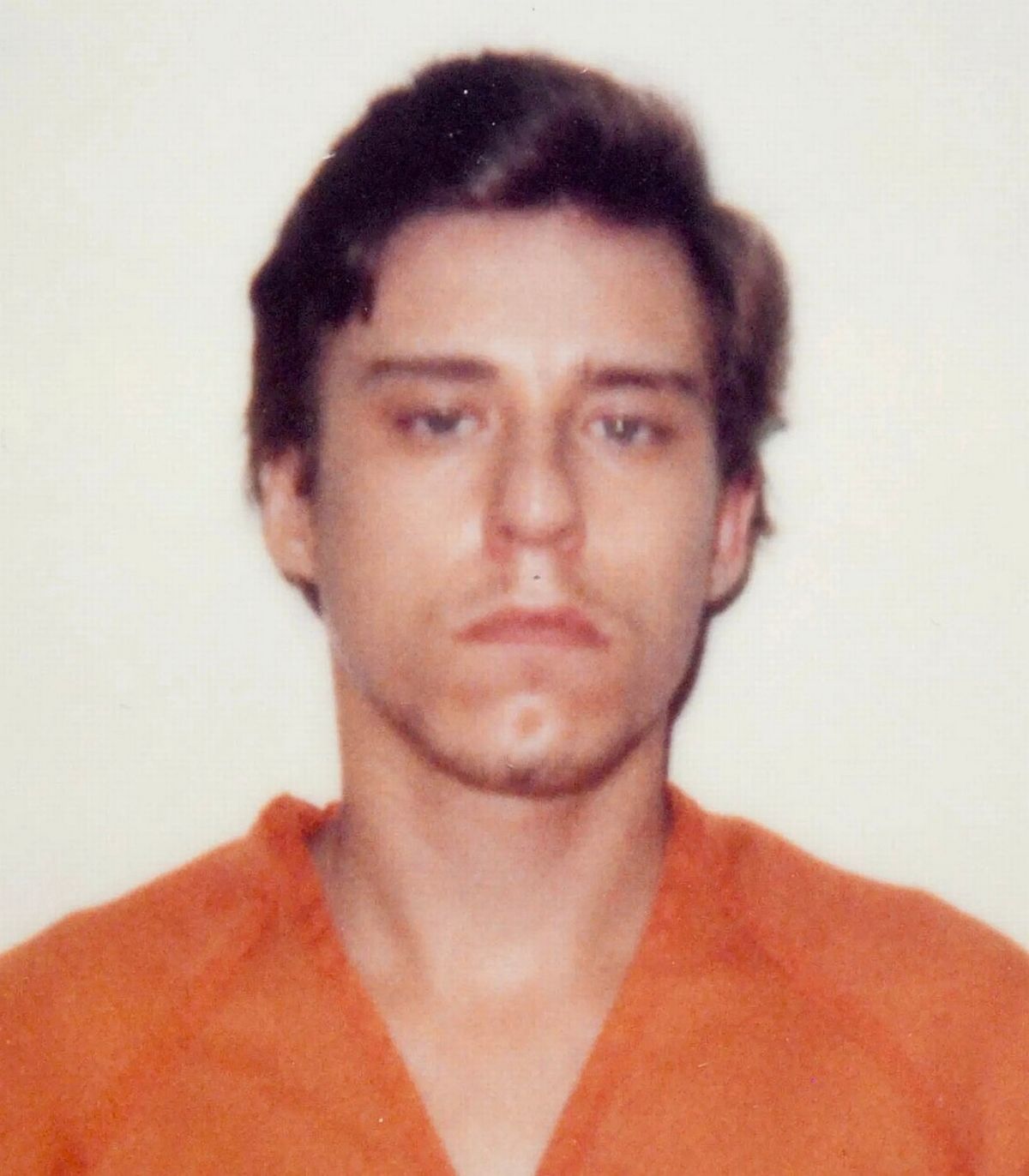
His arrest occurred the day after the naked bodies of Alger and Peterson were discovered. His arrest followed a crucial tip-off from his roommate, who alerted police to Walls’ increasingly strange and suspicious behaviour, effectively bringing an end to his violent spree. Following his capture, Walls confessed to these double murders. The investigation broadened, and DNA evidence later definitively linked him to the May 1987 rape and fatal stabbing of Audrey Gygi, a 47-year-old mother of four. Walls subsequently pleaded no contest to Gygi’s murder, sparing the state another lengthy trial.
The extent of Walls’ depravity further emerged as he admitted to butchering two more victims. He confessed to the murder of Tommie Lou Whiddon, 19, in March 1985, who was found with her throat slit, and Cynthia Sue Condra, 24, in September 1986, who suffered 21 stab wounds. These admissions solidified his identity as a ruthless serial killer, responsible for a pattern of extreme violence and terror that spanned several years and left multiple families devastated across Florida. The methodical nature of his crimes underscored the chilling premeditation behind his actions.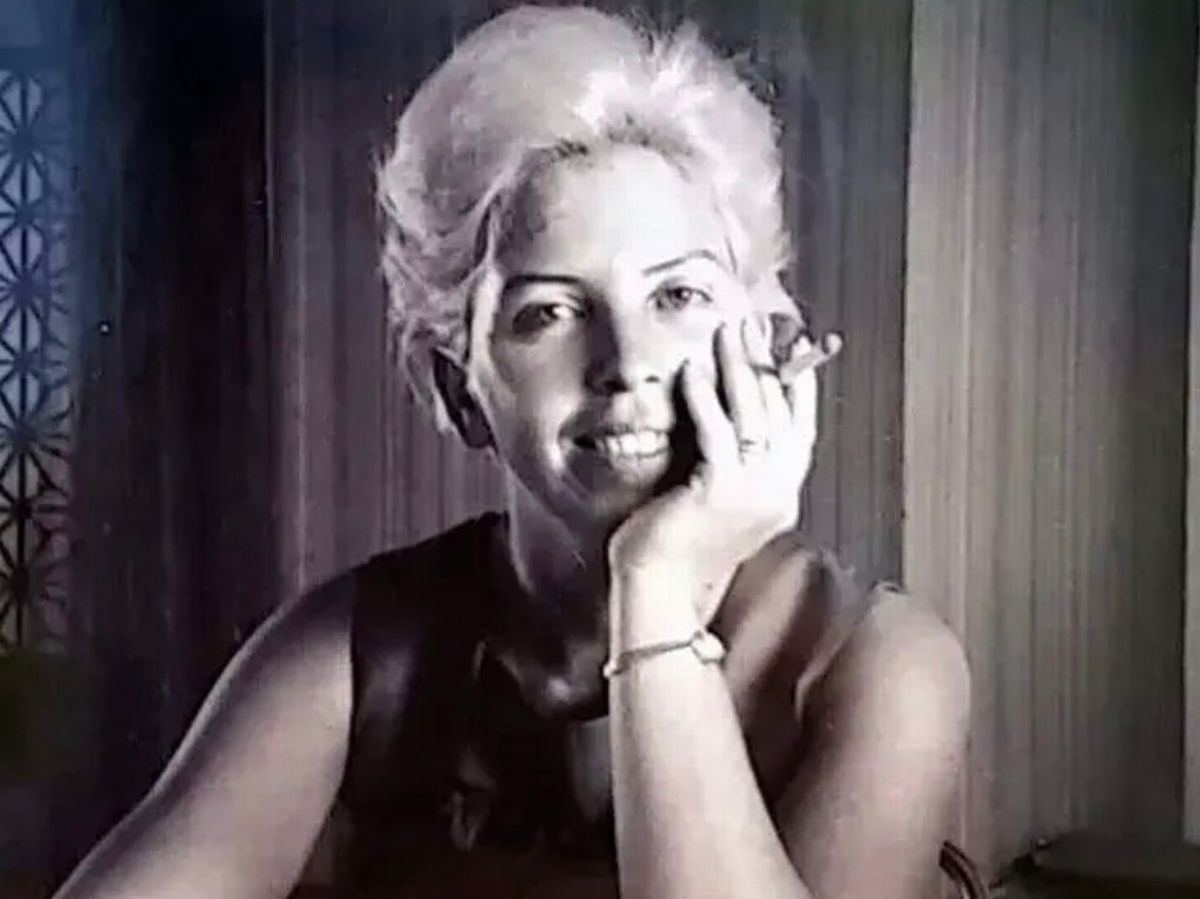
Walls’ execution was authorized by Florida Governor Ron DeSantis, whose signing of the death warrant in November significantly contributed to the state’s heightened execution rate this year. Florida maintains one of the nation’s most active and controversial capital punishment systems. The state’s legal framework notably allows for death sentences even with non-unanimous jury recommendations, a policy that often draws scrutiny from human rights organizations and legal experts. This approach underscores Florida’s exceptional keenness on capital punishment, distinguishing it from many other states.
Since the reinstatement of the death penalty in 1976, Florida has executed a total of 125 convicted murderers, all carried out within the confines of Florida State Prison. This historical context highlights a sustained commitment to capital punishment. Despite the recent surge in executions, the state’s death row remains substantial, with 251 offenders currently awaiting their fate. The ongoing presence of such a large death row population ensures that the debate surrounding the ethics and efficacy of capital punishment continues to resonate within Florida’s legal and social landscape.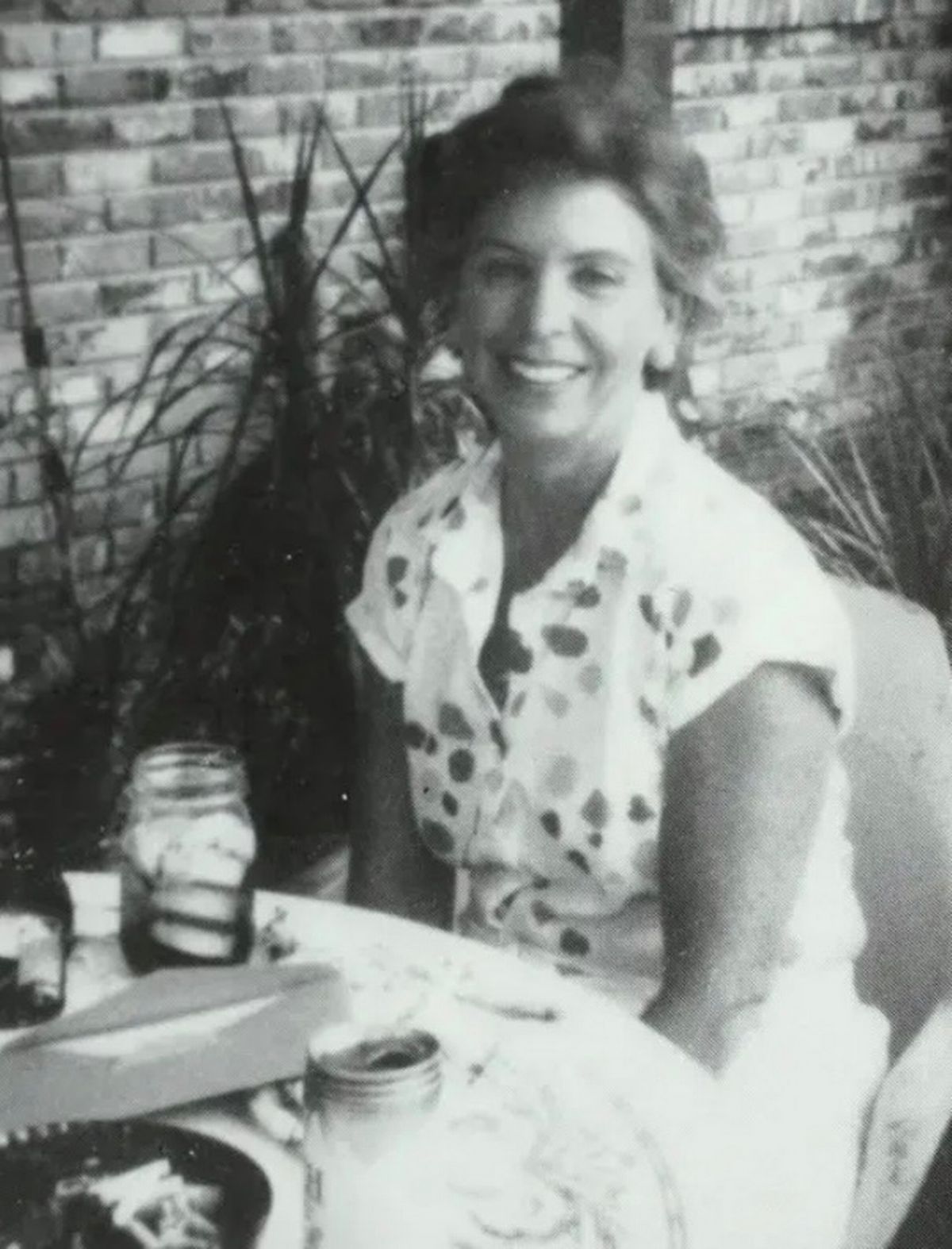
Prior to his execution, Walls was permitted a final meal, a common practice in death penalty cases. He ordered a substantial spread, which included chicken, steak, vegetables, a baked potato, cheesecake, and juice, as reported by USA Today. This meal preceded his final moments, marking the definitive conclusion to a life defined by heinous crimes and the ultimate penalty imposed by the state. His death closes a chapter for the victims’ families, though the pain of their loss undoubtedly persists.

![[post_title]](https://samony.com.ng/wp-content/uploads/2025/12/1766177943_Trump-says-US-drug-prices-will-drop-under-new-deals-300x158.jpg?lm=6945BC98 "Trump Secures Drug Price Cuts with Major Pharmaceutical Companies")
![[post_title]](https://samony.com.ng/wp-content/uploads/2025/12/BREAKING-No-Mercy-Anymore-Tinubu-Orders-Terrorist-Treatment-for-Bandits.webp-300x175.webp "Nigeria to Treat Bandits, Cults as Terrorists")


![[post_title]](https://samony.com.ng/wp-content/uploads/2025/12/1766177833_This-is-a-prank-Businesswoman-shares-unusual-message-from-300x157.jpg?lm=6945BC2B "Businesswoman Shares Inappropriate Customer Message After Large Purchase")
![[post_title]](https://samony.com.ng/wp-content/uploads/2025/12/1766177073_Inside-Anthony-Joshuas-love-life-after-being-accused-of-sleeping-300x158.jpg?lm=6945B932 "Anthony Joshua’s Personal Life Under Scrutiny Ahead of Paul Fight")


![[post_title]](https://samony.com.ng/wp-content/uploads/2025/12/1766177943_Trump-says-US-drug-prices-will-drop-under-new-deals.jpg?lm=6945BC97 "Trump Secures Drug Price Cuts with Major Pharmaceutical Companies")
![[post_title]](https://samony.com.ng/wp-content/uploads/2025/12/BREAKING-No-Mercy-Anymore-Tinubu-Orders-Terrorist-Treatment-for-Bandits.webp.webp "Nigeria to Treat Bandits, Cults as Terrorists")
