

![[post_title]](https://samony.com.ng/wp-content/uploads/2025/12/1766117055_Scientists-say-kidney-damage-can-be-reduced-by-avoiding-five-1024x538.jpg?lm=6944CEC0)
New research suggests that certain common beverages can significantly increase the risk of kidney damage and disease. While plain water is essential for proper kidney function, excessive intake or dehydration can both lead to adverse effects. Understanding the impact of daily drink choices is crucial for maintaining overall health and preventing long-term kidney complications.
The kidneys are vital organs responsible for filtering waste products from the blood, balancing fluid levels, and regulating electrolytes. These functions are directly influenced by the types and quantities of liquids consumed. Insufficient water intake can impair glomerular filtration, a key process in waste removal, potentially leading to kidney stones and damage even in individuals with healthy kidneys.
Conversely, overconsumption of water can result in hyponatremia, a dangerous condition characterized by dangerously low sodium levels. The National Kidney Foundation warns that this can pose serious health risks. Therefore, maintaining a balanced fluid intake, primarily through plain water, is paramount for optimal kidney performance and overall well-being.
Beverages high in sugar and fructose are particularly detrimental to kidney health. These drinks can elevate uric acid levels and increase oxidative stress within the kidneys. Studies have linked regular consumption of sugar-sweetened and artificially sweetened beverages to a heightened risk of developing kidney disease, with some research indicating that more than one serving daily can be problematic.
Energy drinks, often consumed for a quick boost, pose a significant threat to kidney function. They typically contain high levels of caffeine, added sugars, and artificial additives like phosphorus and sodium. This combination can place immense strain on the kidneys, potentially leading to dehydration and reduced blood flow. The National Kidney Foundation categorizes energy drinks as ultra-processed foods linked to increased kidney disease risk.
Alcohol consumption, especially heavy or binge drinking, is widely known to negatively impact kidney health. It can lead to dehydration and force the kidneys to work under increased pressure. While moderate alcohol intake guidelines exist, exceeding recommended limits can contribute to elevated blood pressure and other complications that harm the kidneys.
Sports drinks, while marketed for hydration and electrolyte replenishment, can also be problematic. They are often laden with sodium, sugars, and artificial colours, which can be detrimental to kidney function if consumed regularly without sufficient need, such as during prolonged, intense exercise. Overconsumption of electrolytes can interfere with the kidneys’ natural filtering processes.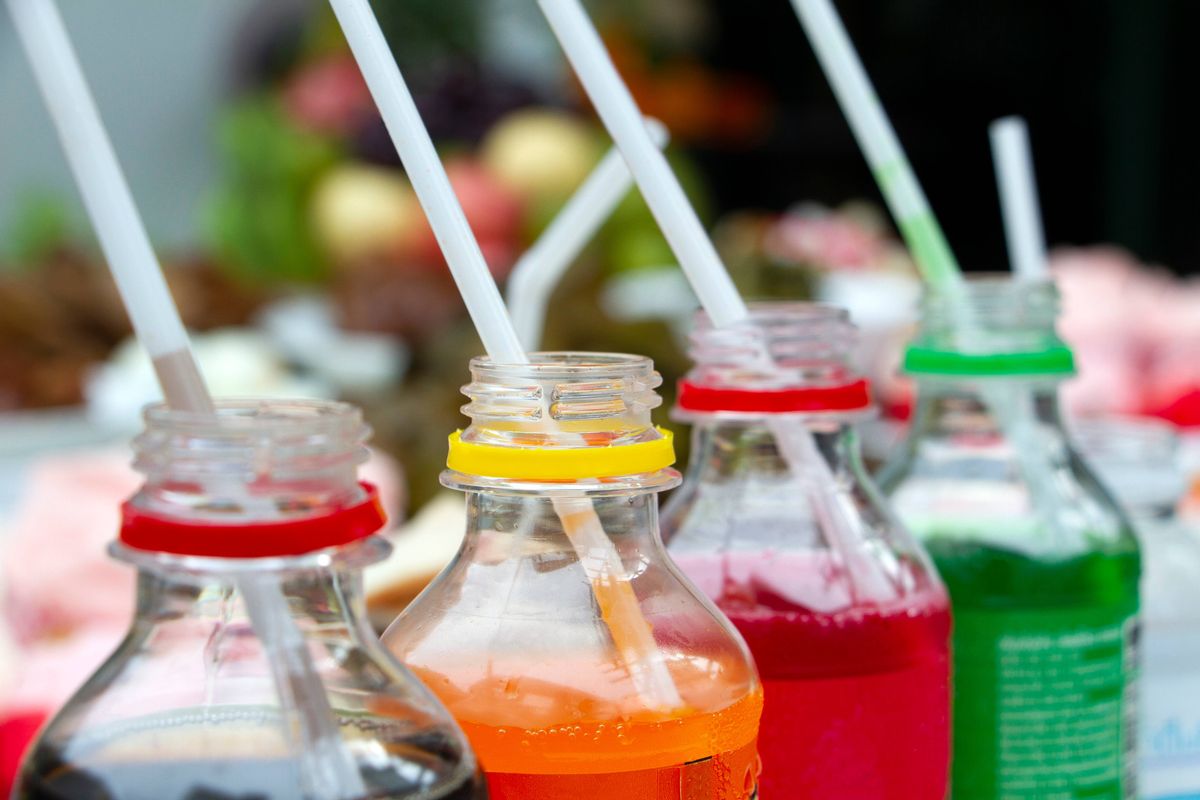
Fruit juices, even 100% varieties, present a complex picture for kidney health. While they offer hydration and nutrients, many are high in sugar and potassium. For individuals with existing kidney problems, high potassium levels can be particularly harmful, as they can exceed recommended daily intake limits and strain the kidneys’ regulatory capacity.
Early kidney disease often presents with subtle or no symptoms, making routine health check-ups crucial for detection. A blood or urine test can flag potential issues, allowing for early intervention. Prompt diagnosis and management can help slow the progression of the disease and prevent more severe complications.
Choosing beverages wisely is a proactive step towards safeguarding kidney health. Prioritizing plain water, limiting sugary drinks, moderate alcohol consumption, and being mindful of the ingredients in energy and sports drinks can make a substantial difference in preventing kidney damage and disease.

![[post_title]](https://samony.com.ng/wp-content/uploads/2025/12/Awujale-Stool-Wasiu-Ayinde-Drags-Governor-Abiodun-To-Court-300x180.jpg?lm=6944CC74 "K1 De Ultimate Sues Ogun Governor Over Awujale Stool")
![[post_title]](https://samony.com.ng/wp-content/uploads/2025/12/1766116504_Kolu-Tattoos-Spot-Davido-Touched-on-His-Head-During-Carter-300x128.jpg?lm=6944CC9A "Davido Livestream Sparks Fan Tattoo and Rihanna Collaboration Buzz")
![[post_title]](https://samony.com.ng/wp-content/uploads/2025/12/Scores-injured-as-tanker-explosion-rocks-Auchi-300x300.png?lm=6944C829 "Auchi Tanker Blast: Scores Injured, Properties Destroyed in Edo State")

![[post_title]](https://samony.com.ng/wp-content/uploads/2025/12/1766113254_US-Federal-holiday-2025-Full-list-as-workers-given-Christmas.jpg?lm=6944BFE6 "Federal Workers Granted Extended Christmas Break in 2025")
![[post_title]](https://samony.com.ng/wp-content/uploads/2025/12/1766112037_Trump-gives-federal-workers-two-new-days-off-around-Christmas.jpg?lm=6944BB25 "Trump Grants Federal Workers Extra Christmas Holidays")

![[post_title]](https://samony.com.ng/wp-content/uploads/2025/12/1766116178_Brown-University-shooting-suspect-found-dead-in-New-Hampshire-storage.jpg?lm=6944CB52 "Brown University Shooter Found Dead; MIT Professor Murder Link Probed")
![[post_title]](https://samony.com.ng/wp-content/uploads/2025/12/Awujale-Stool-Wasiu-Ayinde-Drags-Governor-Abiodun-To-Court.jpg?lm=6944CC72 "K1 De Ultimate Sues Ogun Governor Over Awujale Stool")
![[post_title]](https://samony.com.ng/wp-content/uploads/2025/12/1766116504_Kolu-Tattoos-Spot-Davido-Touched-on-His-Head-During-Carter-1024x435.jpg?lm=6944CC9A "Davido Livestream Sparks Fan Tattoo and Rihanna Collaboration Buzz")
