

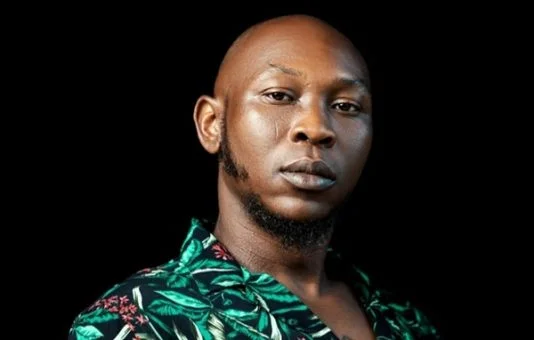
Seun Kuti, son of the legendary Afrobeat pioneer Fela Anikulapo-Kuti, has issued a strong warning to contemporary Afrobeats artists, cautioning them against equating sampling his father’s music with embodying Fela’s spirit and legacy. Kuti clarified that while he has no issue with artists drawing inspiration or sampling his father’s iconic work, he vehemently opposes claims that such actions place them on the same artistic or cultural pedestal as Fela. This distinction is crucial for understanding the depth of Fela’s impact beyond mere musical influence.
During a recent appearance on the Hits Don’t Lie podcast, Seun Kuti expressed his frustration with the narrative that sampling Fela automatically confers a comparable status. He highlighted the absurdity of this notion by drawing a parallel to other globally recognized music icons. “Where is the ‘New Bob Marley’?” he questioned, emphasizing that such comparisons are predominantly found within the Nigerian music scene.
What is the core of Fela Kuti’s legacy? Fela Kuti’s legacy extends far beyond his musical innovations. He was a political activist, a social commentator, and a cultural icon who used his music to challenge oppressive regimes and advocate for pan-Africanism. His influence is deeply rooted in his fearless stance against injustice and his commitment to social change.
Several prominent Afrobeats artists, including Wizkid and Burna Boy, have been frequently compared to Fela over the years. These comparisons often stem from their incorporation of Afrobeat elements into their music and their use of Fela’s samples. While these artists have achieved significant global success, Kuti argues that this alone does not equate to being the next Fela.
Even street-hop artists like Bella Shmurda and Portable have, at various points, referred to themselves as the “New Fela.” These self-declarations, while perhaps reflecting ambition, highlight the very comparison that Seun Kuti finds problematic. He believes this type of rhetoric dilutes the unique historical and cultural significance of his father’s work.
The debate surrounding Fela’s legacy was further amplified late last year when rapper Olamide described Wizkid as “the greatest Afrobeats artiste after Fela.” This statement, intended as high praise, sparked considerable discussion and divided opinions within the music community, underscoring the sensitivity and complexity of comparing modern artists to a cultural titan.
Understanding “Fela Kuti vs modern Afrobeats artists” requires appreciating the distinct contributions each makes. While modern artists innovate and adapt Afrobeat sounds for contemporary audiences, Fela’s work was revolutionary for its time, directly addressing political and social issues with an unparalleled boldness. The comparison, therefore, is not about musical proficiency but about historical context and cultural impact.
For aspiring musicians looking to honor Fela’s influence, Seun Kuti suggests focusing on originality and contributing their unique voice to the global music landscape. He encourages artists to be inspired by Fela’s courage and dedication to authentic expression rather than seeking to replicate his title.
The question of “is sampling Fela worth it for artists?” depends on their intention. If used to pay homage and draw inspiration for original creations, it can be valuable. However, if the goal is to claim Fela’s mantle, it is misguided and disrespectful to his enduring legacy.
“Best Afrobeats artists inspired by Fela” would be a more appropriate framing for discussions about contemporary musicians. This approach acknowledges their talent and influence while respecting the singular position Fela holds in music history. It allows for appreciation of their artistry without creating false equivalencies.
Exploring “Fela Kuti’s musical influence explained” reveals how his distinct rhythms, complex arrangements, and politically charged lyrics have shaped genres worldwide. His innovative use of horns, call-and-response vocals, and extended jams set a precedent for many artists who followed.
Ultimately, Seun Kuti’s message is a call for authenticity and respect for artistic legacy. He wants to ensure that Fela’s groundbreaking contributions are understood and appreciated in their full historical and cultural context, without being diminished by superficial comparisons. The true spirit of Fela lies not in sampling his music, but in embodying his courage, his message, and his unwavering commitment to his art and his people.
“Sampling Fela doesn’t make you Fela…”
– Seun Kuti pic.twitter.com/pMLJmAyc3b
— @𝗼𝗻𝗲𝗷𝗼𝗯𝗹𝗲𝘀𝘀𝗯𝗼𝘆 (@OneJoblessBoy) January 15, 2026
Keywords: sampling Fela Kuti, Fela Kuti vs modern Afrobeats artists, is sampling Fela worth it, Fela Kuti's musical influence explained, best Afrobeats artists inspired by Fela, how to honor Fela Kuti's legacy, what is Fela Kuti's legacy, why comparing artists to Fela is problematic, Fela Kuti guide, Afrobeat pioneers









