![[post_title]](https://samony.com.ng/wp-content/uploads/2025/11/1764011162_Matt-Willis-says-winning-Im-A-Celeb-turned-him-into-1024x538.jpg?lm=6924AC9C)
Matt Willis: From Jungle King to Addiction Battle – A Cautionary Tale of Fame
Matt Willis, the former Busted star, recently shared a raw account of his struggles with addiction following his win on “I’m A Celebrity… Get Me Out Of Here” in 2006. The story, hitting headlines now, offers a glimpse into the darker side of fame. Winning the show, rather than a celebratory peak, seems to have accelerated his descent into drug addiction. But is this an isolated case, or a symptom of a wider problem within the entertainment industry?
Willis himself admits that he went from “a bit of a wreck-head” to a “full drug addict” following his jungle victory. The intense spotlight, the pressure, the sudden shift in public perception – it all proved too much. He describes feeling thrust into fame without his bandmates, a support system he clearly relied on. The transition, he notes, felt almost instantaneous. This isn’t just a personal story; it raises questions about the support structures, or lack thereof, for celebrities navigating sudden and intense fame.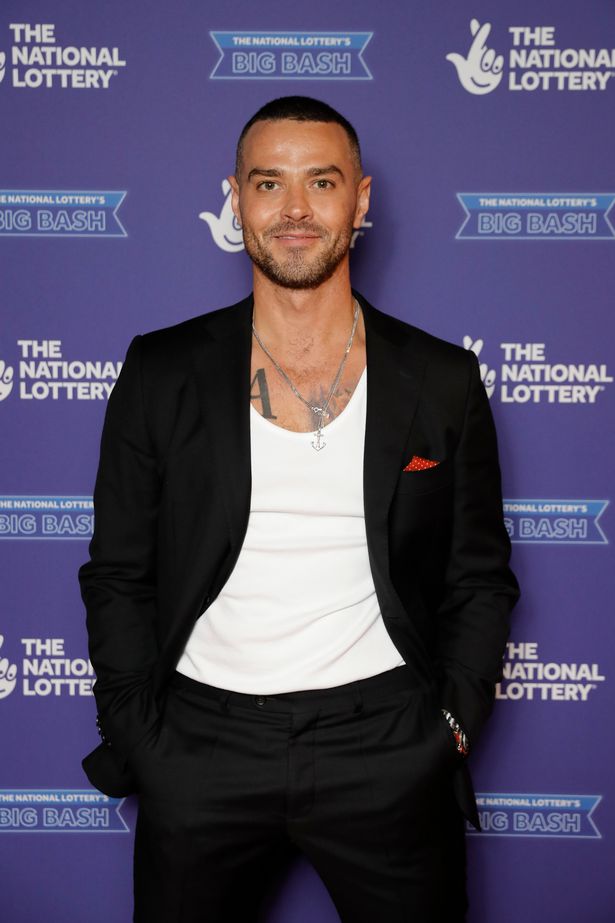 >
>
It’s worth noting that Willis had already struggled with substance use before his reality TV stint. Yet, the “I’m A Celeb” win seemingly amplified these issues. He talks about lying about his habits, drinking first thing in the morning – behaviors he’d once vowed to avoid. The pressure cooker of fame seems to have exacerbated existing vulnerabilities.
The article also reveals Willis’s harrowing experience in the jungle itself. Forced into sobriety, he endured intense anxiety and withdrawal symptoms. Hiding in his sleeping bag to cope with the shakes, surrounded by strangers – it paints a bleak picture of early sobriety under extreme duress. One has to question the ethical considerations of placing individuals with known vulnerabilities in such high-pressure, highly publicized environments.
His relationship with his wife, Emma Willis, emerges as a crucial anchor during this tumultuous period. He acknowledges her unwavering support, admitting he doesn’t know where he’d be without her. This highlights the importance of strong personal relationships in weathering the storms of celebrity life. But what about those who lack such support?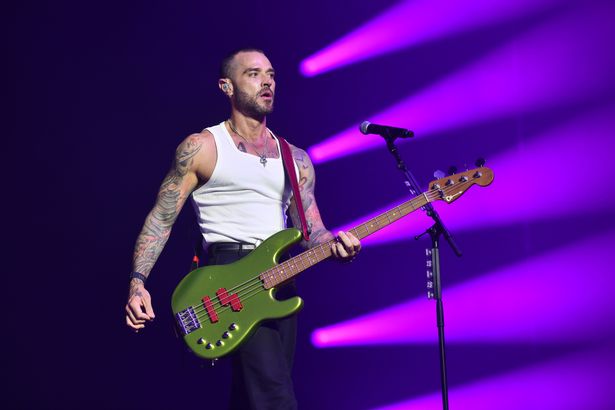 >
>
While Willis’s story is compelling, we’ve seen similar narratives play out time and again in the entertainment world. Child stars battling addiction, musicians succumbing to the pressures of touring, actors struggling with the loss of anonymity – the pattern is disturbingly familiar. It compels us to question whether the industry itself is structured in a way that cultivates or even enables these struggles.
Consider the relentless schedules, the constant scrutiny, the pressure to maintain a perfect image, the easy access to substances, and the often-surreal nature of celebrity culture. These factors, combined with pre-existing vulnerabilities, can create a perfect storm for addiction and mental health issues. The constant demand from social media only intensifies the pressure to stay relevant.
This isn’t to excuse individual choices, but to acknowledge the powerful environmental influences at play. Are talent agencies, record labels, and production companies doing enough to safeguard the well-being of their clients? Are adequate mental health resources readily available and actively encouraged? Or are profits prioritized over people?
One also has to consider the role of reality television itself. Shows like “I’m A Celebrity” thrive on drama and emotional vulnerability. While entertainment is the primary goal, what responsibility do these shows have to the well-being of their participants, particularly those with known vulnerabilities? Are contestants adequately prepared for the potential consequences of sudden fame and intense public scrutiny?
There’s no easy solution. But this situation demands a multi-pronged approach. De-stigmatizing mental health within the entertainment industry has to be a top priority. Open conversations about addiction, anxiety, and depression can encourage individuals to seek help without fear of judgment or career repercussions. Stronger support systems, including readily accessible therapy and counseling services, are essential. Additionally, a critical look at the structure and incentives of the industry itself is necessary.
Willis’s story serves as a stark reminder that fame and success don’t automatically equate to happiness. In fact, they can exacerbate existing challenges and create new ones. It is a call to prioritize the well-being of those in the spotlight, and to foster a more supportive and compassionate entertainment industry. Perhaps then, we can start to break the cycle of celebrity struggles and create a healthier environment for everyone involved. The conversation should not be centered around blaming. Instead, more effective resources and awareness can be developed.



![[post_title]](https://samony.com.ng/wp-content/uploads/2025/12/Faroe-Islands-faces-Russian-retaliation-over-sanctions-related-to-alleged-300x200.jpeg?lm=6931855D "Faroe Islands Fishing Rights: A Risky Stand Against Russia")
![[post_title]](https://samony.com.ng/wp-content/uploads/2025/12/Awaziem-Targets-AFCON-Glory-After-World-Cup-Heartbreak.jpg?lm=69318599 "Can Awaziem’s World Cup Snub Fuel a Super Eagles AFCON Comeback?")
![[post_title]](https://samony.com.ng/wp-content/uploads/2025/12/1764853312_Why-Beatles-legend-Ringo-Starr-is-so-happy-that-the-300x158.jpg?lm=69318643 "Are the Beatles’ Remasters a Revelation or a Betrayal? Hear the Difference Yourself.")


![[post_title]](https://samony.com.ng/wp-content/uploads/2025/12/1764854990_Police-officers-attached-to-VIPs-now-wear-suits-to-bypass-1024x555.jpg?lm=69318CD3 "Nigeria’s VIP Security Dilemma: Reform and Resistance")