


Prime Video’s “Fallout” series, now in its second season, has achieved remarkable success, breathing new life into the beloved post-apocalyptic video game franchise. The show’s first season captivated both long-time fans and newcomers alike, translating the game’s unique blend of dark humor and retro-futuristic setting into a critical and commercial triumph. This unexpected popularity has had a profound impact on Bethesda Softworks, the game’s developer, reinvigorating existing player bases and attracting a wave of new enthusiasts.
The television adaptation arrived at a pivotal moment for video game screen adaptations, a genre historically plagued by subpar releases. Many previous attempts were criticized for deviating significantly from their source material or for being perceived as low-quality cash grabs. However, the landscape began to shift with the acclaimed 2023 adaptation of “The Last of Us,” which demonstrated the potential for faithful and compelling video game storytelling on screen.
While “The Last of Us” benefited from a more linear narrative structure akin to prestige television, the “Fallout” series faced a different challenge. The “Fallout” games are renowned for their open-world exploration, branching narratives, and extensive lore, offering a vast canvas for adaptation. Todd Howard, director of Bethesda Game Studios, revealed that discussions about a “Fallout” adaptation began as early as 2009, but it was the collaboration with executive producer Jonathan Nolan, a fan of the series and known for his work on “Westworld” and “The Dark Knight,” that propelled the project forward.
Central to the show’s success was a commitment to maintaining the established “canon” of the “Fallout” universe. Emil Pagliarulo, studio design director and a veteran of the series, explained that a key decision was to ensure that events in the show either had happened or would happen within the games. This meticulous attention to detail fostered trust between the television production and the game developers, ensuring authenticity for the dedicated “Fallout” fanbase.
This dedication to canon involved close collaboration, with Pagliarulo detailing instances of late-night consultations from the set regarding the accuracy of in-game events. The process, he described, was a “back-and-forth” that ultimately proved rewarding, allowing for the realization of the “Fallout” world in a new medium while respecting its established narrative. This careful stewardship aimed to satisfy the expectations of long-time players deeply invested in the franchise’s lore.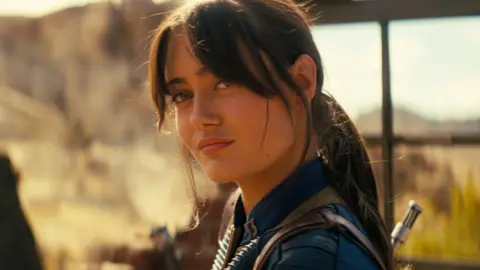
Beyond critical acclaim, the “Fallout” series has delivered significant commercial benefits for Bethesda. Following the first season’s release, prices for most “Fallout” games were reduced, and content updates were rolled out, successfully drawing in new players and re-engaging lapsed ones. Notably, “Fallout 4,” originally released nine years prior, re-entered sales charts at the top, demonstrating the show’s potent influence on game sales.
The online multiplayer spin-off, “Fallout 76,” which initially faced criticism upon its 2018 launch, also experienced an unprecedented surge in player numbers. Production director Bill Lacoste acknowledged the anticipated increase in players post-show, while creative director Jon Rush described the overwhelming player influx as a “fun surprise” that reached all-time highs.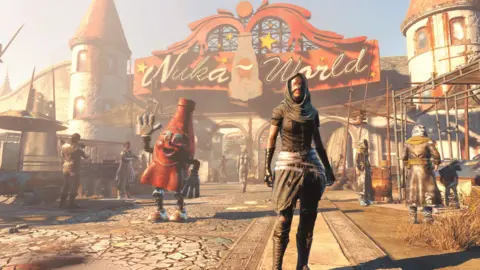
The direct involvement of game developers in the adaptation process raises questions about its impact on future game installments. Jon Rush indicated that the influx of new players into “Fallout 76” has organically influenced ongoing development decisions for game updates and content. He emphasized that game creation is a collaborative process, made “hand-in-hand with the folks that are playing it.”
Looking ahead to “Fallout 5,” which is still years from release, Todd Howard confirmed that the TV show’s narrative and events will be integrated into the game’s world. He stated that the show’s impact is undeniable, and developers are actively incorporating its developments. Howard also expressed optimism that the show will continue to make the “Fallout” universe accessible to those who may be intimidated by gaming, fostering a broader appreciation for the franchise.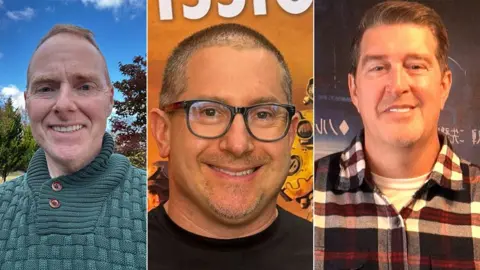
This symbiotic relationship between the “Fallout” television series and its video game origins highlights a successful model for future adaptations. By prioritizing authenticity and fostering collaboration, creators have not only delighted existing fans but also expanded the franchise’s reach, ensuring its continued relevance and growth in the evolving entertainment landscape.



![[post_title]](https://samony.com.ng/wp-content/uploads/2025/12/1765972614_How-Much-Do-People-in-Their-60s-Spend-in-Retirement-300x200.jpg?lm=69429A88 "Retirees in 60s Spend $60K Annually, Need $1.5M Nest Egg")

![[post_title]](https://samony.com.ng/wp-content/uploads/2025/12/Solar-installation-goes-wrong-as-installer-breaks-clients-roof-falls-300x150.jpeg?lm=69429C11 "Solar Installer Falls Through Roof, Lands in Toilet")


![[post_title]](https://samony.com.ng/wp-content/uploads/2025/12/Actress-Doris-Ogala-Doubles-Down-On-Claims-Against-Pastor-Chris.png?lm=69429C75 "Actress Doris Ogala Demands Compensation or Marriage from Pastor")
![[post_title]](https://samony.com.ng/wp-content/uploads/2025/12/1765973284_I-didnt-know-Priscilla-was-a-celebrity-when-we-met-1024x512.jpg?lm=69429D25 "Juma Jux on Priscilla: Love at First Sight, Fame Came Later")
