![[post_title]](https://samony.com.ng/wp-content/uploads/2025/12/1765821156_The-FA-has-one-move-to-show-its-not-spineless-1024x683.jpg?lm=69404AE7)
Football’s governing bodies are facing mounting pressure over exorbitant ticket prices for the 2026 World Cup, with national associations urged to take a stronger stance against FIFA. As FIFA officials gather in Doha for “The Best” awards, a significant point of contention is expected to be the astronomical cost of tickets, which has left many national associations and fan groups deeply frustrated.
The Football Association (FA) has stated it will relay fan concerns to FIFA, but this is seen by many as insufficient. The Football Supporters’ Association (FSA) is calling for more decisive action, expecting the FA to actively champion the cause of supporters rather than simply acting as a passive conduit for their grievances. Failure to do so risks further public outcry and escalation of the controversy.
This ticket crisis highlights a broader issue regarding the conduct of major federations within FIFA’s power structure. While many federations claim to maintain diplomatic relations with FIFA and UEFA to avoid political marginalization, critics argue this approach renders them ineffective when it truly matters. The FA’s primary duty, after all, lies with its constituents – the English football public.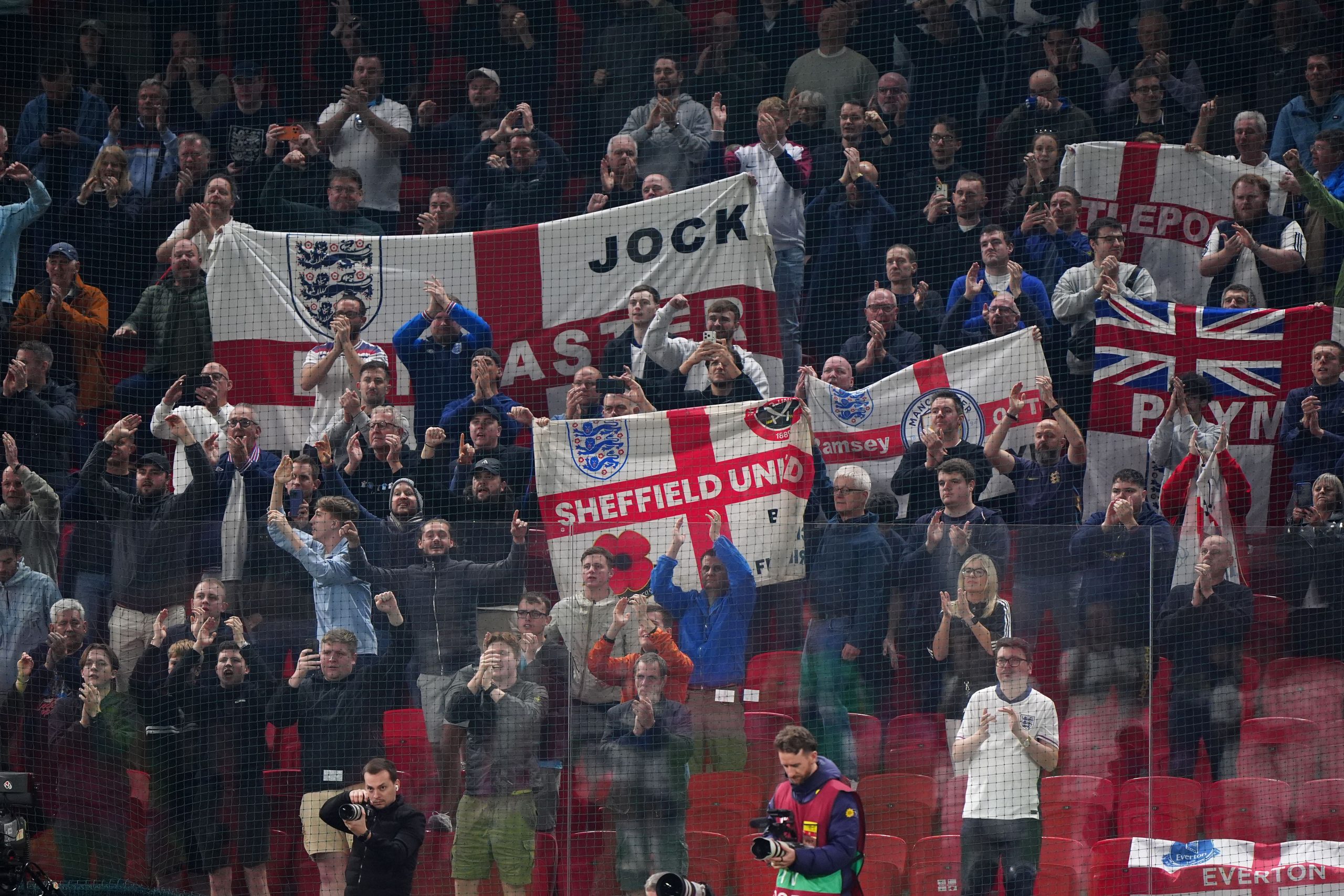
Some argue that the risk of political ostracization is minimal, given that FIFA and UEFA funding, such as Forward and HatTrick programs, is unlikely to be withdrawn. Furthermore, venues like Wembley are highly lucrative for major tournaments, reducing the threat of losing hosting rights. The FA’s potential bid for the 2035 World Cup does not present a competitive scenario that necessitates compromising on fan affordability.
Public silence on this issue would be perceived as a significant lack of backbone, especially given the ongoing tensions between various football stakeholders, including the Premier League and European clubs. These stakeholders often express surprise at the perceived timidity of major federations like the FA, Germany, and Spain, believing they are not fully utilizing their potential power and should act as moral guardians of the sport.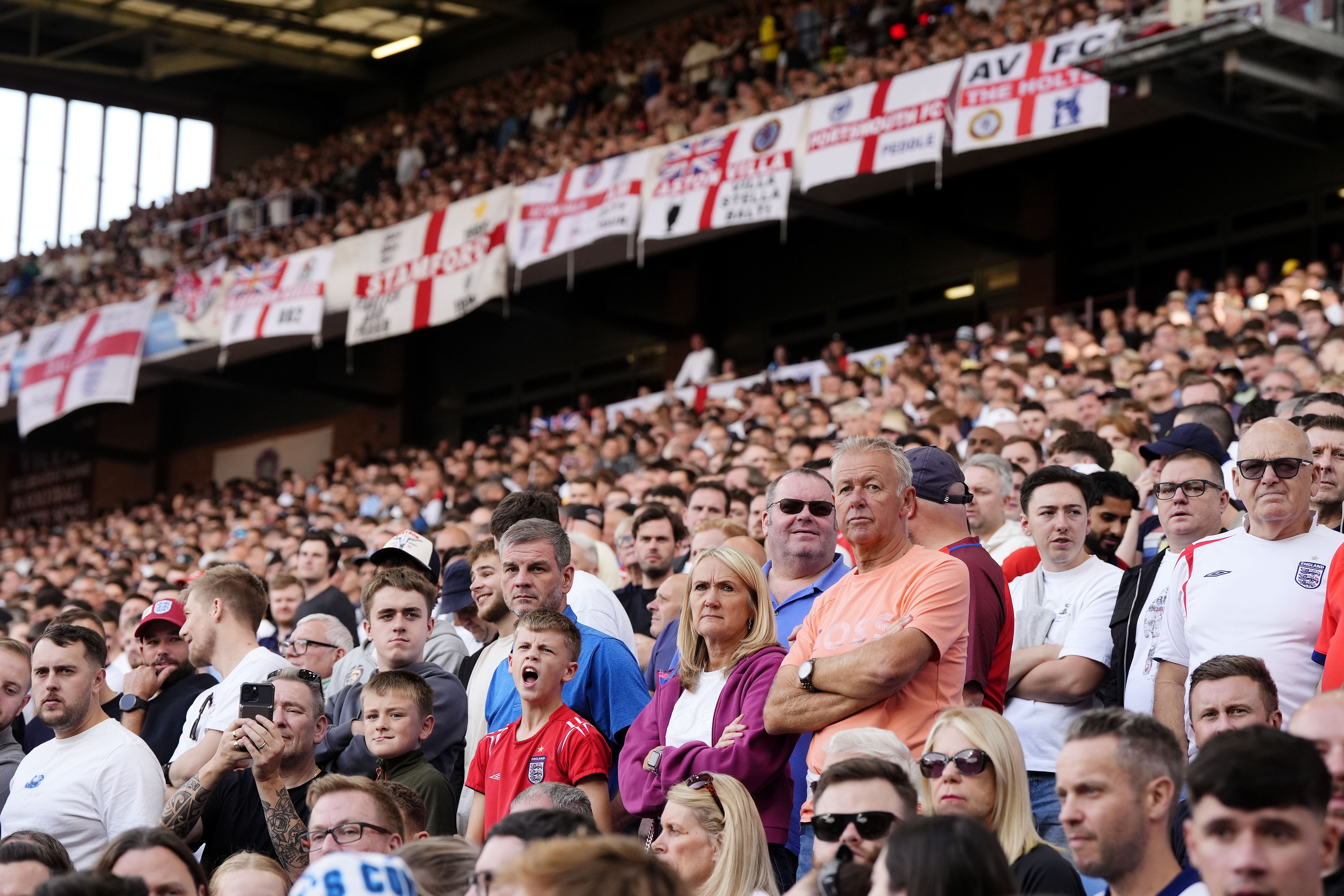
Many insiders believe that a coordinated effort or a joint statement from the 10-15 wealthiest national federations could significantly influence FIFA President Gianni Infantino on the ticket pricing issue. Such unified dissent is reportedly something he is unaccustomed to and could prove highly effective in resolving this particular controversy.
Should FIFA remain unwilling to adjust ticket prices, an alternative solution exists: national associations could utilize the substantial funds received from FIFA and UEFA to subsidize tickets for regular fans. This would demonstrate a commitment to supporters who are already contemplating difficult decisions about attending matches, particularly given the potential for England to contend for the World Cup.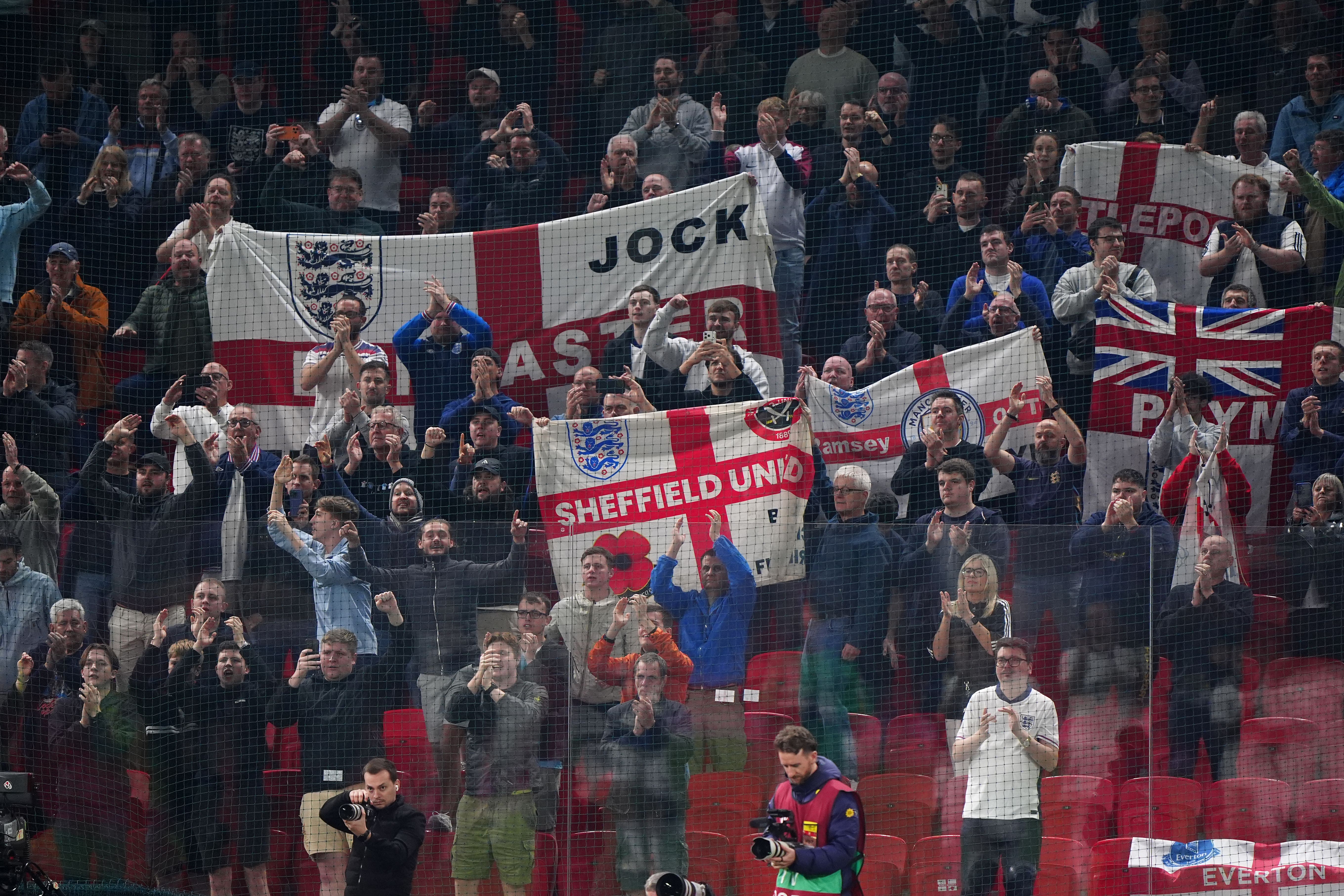
Ultimately, there is a profound moral and political argument for member associations, particularly the FA, to do more for their supporters. FA chair Debbie Hewitt, in her role as FIFA chair, is in an ideal position to lead this charge, having stated she is “not known for being a silent observer.” This moment presents a critical opportunity to prove that statement and advocate for the fans.