


The FA Cup often provides a stage for David versus Goliath matchups, and the upcoming clash between Exeter City and Manchester City is a prime example. This game highlights the stark financial realities of modern football, pitting a fan-owned club with a modest budget against a powerhouse funded by state-level investment. Gary Caldwell, manager of Exeter City, acknowledges the vast difference in resources, stating, “Exeter and Manchester City work in a different stratosphere in terms of the finances that they have at their disposal.” However, he remains optimistic, adding, “But ultimately, on Saturday, it’s a game of football.” Exeter City, owned by its Supporters’ Trust since 2003, operates with the lowest playing budget in League One. Their financial strategy relies heavily on a successful academy, which has produced notable players like Ollie Watkins, Ethan Ampadu, and Jay Stansfield, generating significant funds through transfer sales. This approach mirrors the club’s history, particularly the famous 2005 FA Cup tie against Manchester United. Back then, a financially struggling Exeter, then in the Conference, secured a crucial replay at Old Trafford. The substantial revenue generated from ticket sales and television money, estimated at around £1 million, ultimately saved the club from bankruptcy.
Today, Exeter faces a different set of challenges. Operational issues led to the resignation of key club officials, and an internal probe revealed financial forecasting inaccuracies and VAT compliance breaches. The club has since addressed these issues and implemented preventative measures. Adding to the difficulties, a fire at the stadium in November caused significant damage, requiring approximately £100,000 in repairs. To maintain financial stability, the Exeter City Supporters’ Trust has provided two loans totaling £600,000 since the summer, leading to some redundancies. Fortunately, the club has seen some financial relief through “deferred transfer monies,” understood to be related to Jay Stansfield’s August 2024 transfer from Fulham to Birmingham City, which included a substantial sell-on fee for Exeter.
Despite the romantic appeal of an FA Cup tie against a top-tier opponent, the financial impact of this Manchester City match will not match the 2005 fixture against Manchester United. With Exeter receiving 45% of the gate receipts, the game is expected to earn them around £350,000. Crucially, this match is not being televised, meaning no TV revenue, and there are no replays. The Supporters’ Trust has reached out to Manchester City to inquire about a voluntary transfer of a portion of their gate receipt share, a gesture Manchester United made in 2005. Manchester City has not yet responded to these requests.
Gary Caldwell has had to navigate these financial constraints to stabilize the team on the pitch. With an already thin squad, player sales might be necessary to make any reinforcements this transfer window. Despite these hurdles, Exeter has shown resilience, enjoying a positive festive period that saw them climb to 14th in the league, nine points clear of the play-off positions.
Both clubs benefit from stability in their managerial positions. Pep Guardiola is in his 10th season at Manchester City, making him the second-longest-serving manager in English football. Caldwell, meanwhile, has been at Exeter for just over three years, positioning him as the 15th longest-serving manager. While the two sides have never faced each other, Caldwell has a prior connection to Manchester City, having briefly worked there as a loans manager in 2021. He recalls observing one of Pep Guardiola’s training sessions, describing it as “incredible” for its clarity in delivering tactical information.
In contrast, other prominent clubs like Manchester United, Chelsea, and Celtic have experienced recent managerial instability. This has, however, created opportunities for former teammates of Caldwell. Darren Fletcher, whom Caldwell played with for Scotland, is now at Manchester United, and Shaun Maloney, a former teammate at both Celtic and Wigan, has also seen his role evolve. Caldwell expressed his delight for Fletcher, recognizing his transition into management. He also humorously anticipated Maloney’s return to coaching.
Caldwell’s stoic outlook, even during challenging times, has been significantly shaped by his youth coaching experiences, particularly under Alan Irvine. He has also drawn inspiration from coaches like Gordan Strachan and Walter Smith, but highlights Roberto Martinez as a pivotal influence, crediting him with broadening his understanding of coaching strategies and tactical approaches.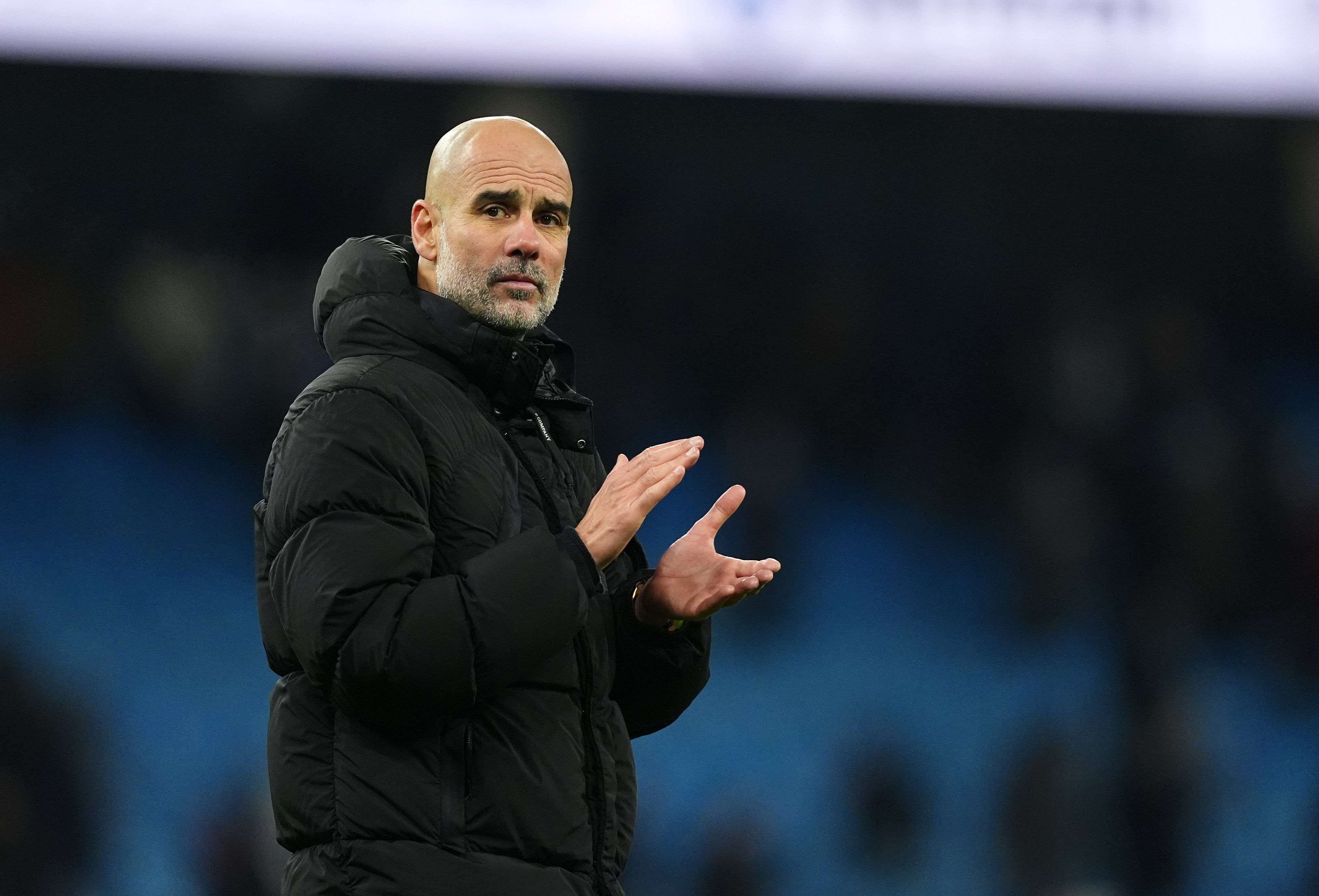
The FA Cup presents a unique opportunity for an Exeter player to create a memorable moment, akin to Caldwell’s own career highlights, such as scoring winners against France and Liverpool. The players are aware of Manchester City’s formidable home record in cup competitions, and the potential for a significant defeat. Caldwell emphasizes the importance of collective resilience, stating, “We have to have incredible behaviours as a team that, in difficult moments, we stand up for each other, we defend well, we put our bodies on the line.”
If Exeter were to secure a victory, it would undoubtedly be considered one of the greatest FA Cup upsets of all time, a claim even Caldwell’s former Wigan teammates might contest.
What is the FA Cup?
The FA Cup is the oldest national football competition in the world, established in 1871. It is a knockout tournament contested by over 700 clubs from across the English football league system, offering a chance for lower-league teams to compete against top-tier clubs and potentially create historic upsets.
The financial disparities between Exeter City and Manchester City are vast, with the latter possessing a significantly larger budget due to its ownership structure. This game represents more than just a sporting contest; it’s a narrative of differing footballing philosophies and financial models.
The historical significance of the FA Cup lies in its ability to create unexpected heroes and memorable moments that transcend the immediate financial stakes, offering a dream for clubs like Exeter City.
How to prepare for an FA Cup upset?
Preparation for an FA Cup upset involves meticulous tactical planning, fostering team cohesion, and instilling a belief in the players that they can overcome a superior opponent. It requires embracing the underdog status while executing a flawless game plan.
Exeter City’s reliance on its academy system exemplifies a sustainable approach to club management, contrasting with the vast financial backing of clubs like Manchester City.
The story of Exeter City’s financial resilience, from near bankruptcy to facing a global footballing giant, underscores the enduring spirit of clubs that operate with limited resources.
The FA Cup’s enduring appeal stems from its unpredictable nature and the potential for fairy tales, where passion and determination can triumph over financial might.
The upcoming match between Exeter City and Manchester City is a testament to the romanticism and unpredictability that defines the FA Cup, showcasing the enduring allure of the underdog.
Why is the FA Cup important for smaller clubs?
The FA Cup is important for smaller clubs as it provides a unique platform to gain national exposure, generate vital revenue through prize money and gate receipts, and potentially achieve a historic upset that elevates their profile and inspires their fanbase for years to come.
How to watch Man City vs Exeter?
Fans can typically find broadcast information for the Man City vs. Exeter FA Cup match through official club websites, sports broadcasters’ schedules, and reputable sports news outlets. Check local listings for specific viewing options.







