

![[post_title]](https://samony.com.ng/wp-content/uploads/2025/12/Ireland-Spain-Slovenia-and-the-Netherlands-boycott-Eurovision-2026-after-1024x683.jpeg?lm=6931F705)
Eurovision 2026: Is a Boycott Brewing? A Critical Look at Israel’s Participation
Eurovision, that annual spectacle of catchy tunes and questionable fashion, faces a potential crisis. Reports suggest that Ireland, Spain, the Netherlands, and Slovenia are considering boycotting the 2026 competition due to Israel’s participation. This isn’t merely about music; it’s a complex interplay of politics, ethics, and the role of cultural events in a world grappling with conflict.
The core issue? Israel’s involvement amid the ongoing war in Gaza. These nations, it seems, find it “unconscionable,” to quote Irish broadcaster RTE, to participate while “appalling loss of lives” continues in Gaza. It’s a tough stance, and one that throws into stark relief the tension between entertainment and geopolitical realities.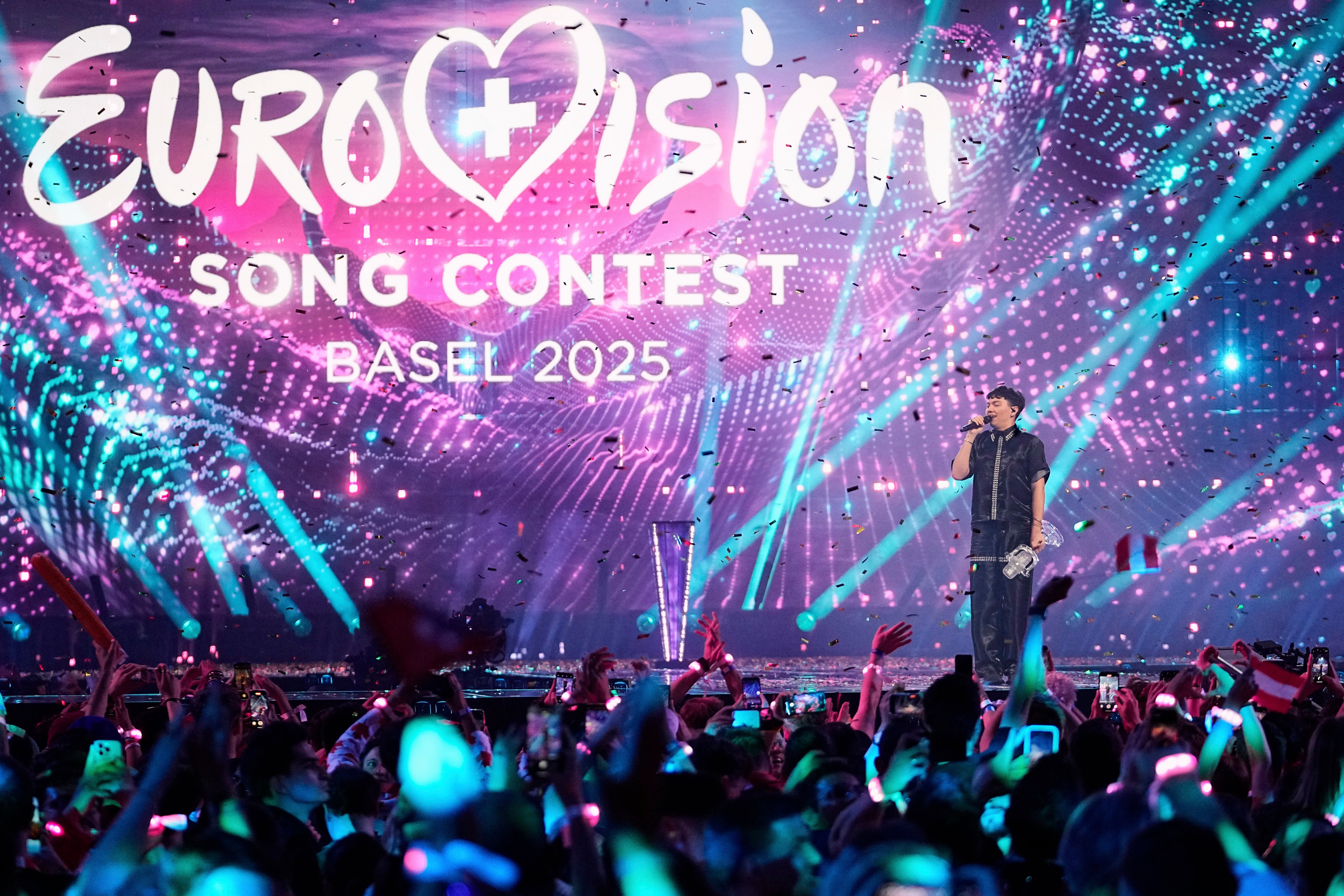 >
>
The European Broadcasting Union (EBU), the organization overseeing Eurovision, opted not to vote on Israel’s participation. Instead, they’ve implemented rules aimed at preventing governmental influence on the contest. A band-aid solution, perhaps? It seems the EBU hopes to sidestep the issue, but it may prove a futile exercise.
RTE’s statement is particularly pointed, citing both the humanitarian crisis in Gaza and the targeting of journalists. The Netherlands’ Avrotros echoes this sentiment, asserting that “universal values like humanity and a free press have been seriously violated.” Slovenia’s RTV gets even more blunt, invoking the “20,000 children who died in Gaza” as the reason for their potential withdrawal. This emotive language reveals the depth of feeling driving these decisions.
It’s worth recalling that Russia was banned from Eurovision following its invasion of Ukraine. The precedent is there: geopolitical actions can influence participation. The key question then: is the EBU applying a consistent standard? Critics will say not.>
The situation places Germany, a significant Eurovision supporter, in an interesting position. They’ve stated they wouldn’t participate if Israel were barred. This underscores the divisions within the Eurovision community. The contest, often presented as a unifying force, now finds itself a battleground for competing ideologies.
Having observed similar situations unfold in other industries, I am skeptical of the EBU’s ability to navigate this storm without further fallout. Merely discouraging government meddling isn’t enough to address the underlying ethical quandaries.
Here’s where it gets trickier. Can a cultural event truly be apolitical? Should it be? Some argue that excluding Israel would be a form of collective punishment, silencing a nation and its artists. Others contend that participation implies tacit approval of Israel’s actions.
What is the right course of action? There are no easy answers. Each participating country must weigh its values against the potential consequences of either participating or boycotting. This challenge requires careful thought.
The financial implications shouldn’t be ignored. Eurovision generates considerable revenue for host cities and participating broadcasters. A boycott by several nations could have a significant economic impact, adding another layer of complexity.
The real test will be whether other countries follow suit. Will this initial discontent snowball into a widespread boycott, effectively crippling the 2026 competition? Or will the EBU manage to quell the unrest and salvage the event?
Furthermore, this situation shines a light on the power of public opinion. Pro-Palestinian protests during the 2025 competition demonstrate the strength of feeling surrounding this issue. Broadcasters and organizers cannot afford to ignore the voices of their viewers and listeners.
It’s not simply a matter of entertainment anymore. Eurovision is now entangled in a global debate about justice, human rights, and the responsibility of cultural institutions in times of conflict.
Given these facts, the EBU faces an uphill battle. Maintaining the integrity and unifying spirit of Eurovision will require more than just procedural tweaks. It demands a nuanced understanding of the complex political landscape and a willingness to engage in genuine dialogue. It will necessitate a choice on whether to uphold ‘tradition’ or react to changing world views.
One thing’s for sure: the 2026 Eurovision Song Contest will be more than just a competition of songs. It will be a test of values, a reflection of global tensions, and a revealing moment for the EBU itself. The show will go on, in any case, but the narrative surrounding it will be much more serious than who takes home the glass microphone. The question is whether the music can drown out the noise of the outside world, and right now, that feels like a very big ask.

![[post_title]](https://samony.com.ng/wp-content/uploads/2025/12/1764876887_Mohbads-Widow-Wunmi-Issues-Fresh-Update-on-Her-DNA-Court-300x289.jpeg?lm=6931E25A "Mohbad’s Paternity Drama: Court Just Dropped a Major Ruling!")
![[post_title]](https://samony.com.ng/wp-content/uploads/2025/12/Syria-vs-Qatar-LIVE-Score-Updates-The-match-is-tie-300x169.png?lm=6931E1DB "Syria Stuns Qatar: Was This Arab Cup Draw a Warning Sign?")
![[post_title]](https://samony.com.ng/wp-content/uploads/2025/12/1764875122_Inside-Im-A-Celebrity-Aitchs-dating-history-as-rapper-sparks-300x158.jpg?lm=6931DB75 "Celebrity Dating: The “I’m a Celebrity” Publicity Machine")
![[post_title]](https://samony.com.ng/wp-content/uploads/2025/12/How-to-Break-a-Bad-Habit-11-Tips-and-Strategies-300x169.jpg?lm=6931DA31 "Work With Your Brain to Break Bad Habits")


![[post_title]](https://samony.com.ng/wp-content/uploads/2025/12/1764876887_Mohbads-Widow-Wunmi-Issues-Fresh-Update-on-Her-DNA-Court.jpeg?lm=6931E259 "Mohbad’s Paternity Drama: Court Just Dropped a Major Ruling!")
![[post_title]](https://samony.com.ng/wp-content/uploads/2025/12/Syria-vs-Qatar-LIVE-Score-Updates-The-match-is-tie-1024x576.png?lm=6931E1DC "Syria Stuns Qatar: Was This Arab Cup Draw a Warning Sign?")
