

![[post_title]](https://samony.com.ng/wp-content/uploads/2025/12/1765553743_Equine-virus-outbreak-forces-changes-at-nations-largest-rodeo-event.jpg?lm=693C364F)
The prestigious Wrangler National Finals Rodeo (NFR) in Las Vegas recently concluded under an unprecedented shadow, as an outbreak of the highly contagious equine herpesvirus 1 (EHV-1) forced significant operational changes. Traditionally marked by dozens of riders galloping into the arena, this year’s grand entry saw participants walking on foot, their horses kept securely away. The virus, which has spread across multiple US states, prompted extraordinary health precautions and altered the experience for thousands of horses, riders, and spectators at one of the world’s most prominent rodeo events.
EHV-1, a recurring concern for equine health, presented particular challenges this year with a discernible rise in cases across the United States. While often manifesting with mild, cold-like symptoms such as runny noses and coughs, the virus can also lead to severe neurological complications. These include stumbling, loss of coordination, and even the inability to stand, with a mortality rate of 15% to 30% for horses contracting the more serious neurological form, according to Peter Rolfe, Nevada’s state veterinarian.
The threat of EHV-1 necessitated a complete overhaul of standard rodeo practices. Beyond the grand entry, many riders found themselves unable to bring their own horses to the Las Vegas event, opting instead for alternative arrangements or withdrawing entirely. This reduction in equine participation led to a downturn in business for horse hotels and prompted the cancellation or modification of several ancillary rodeo competitions, highlighting the widespread impact on the equestrian community and supporting industries.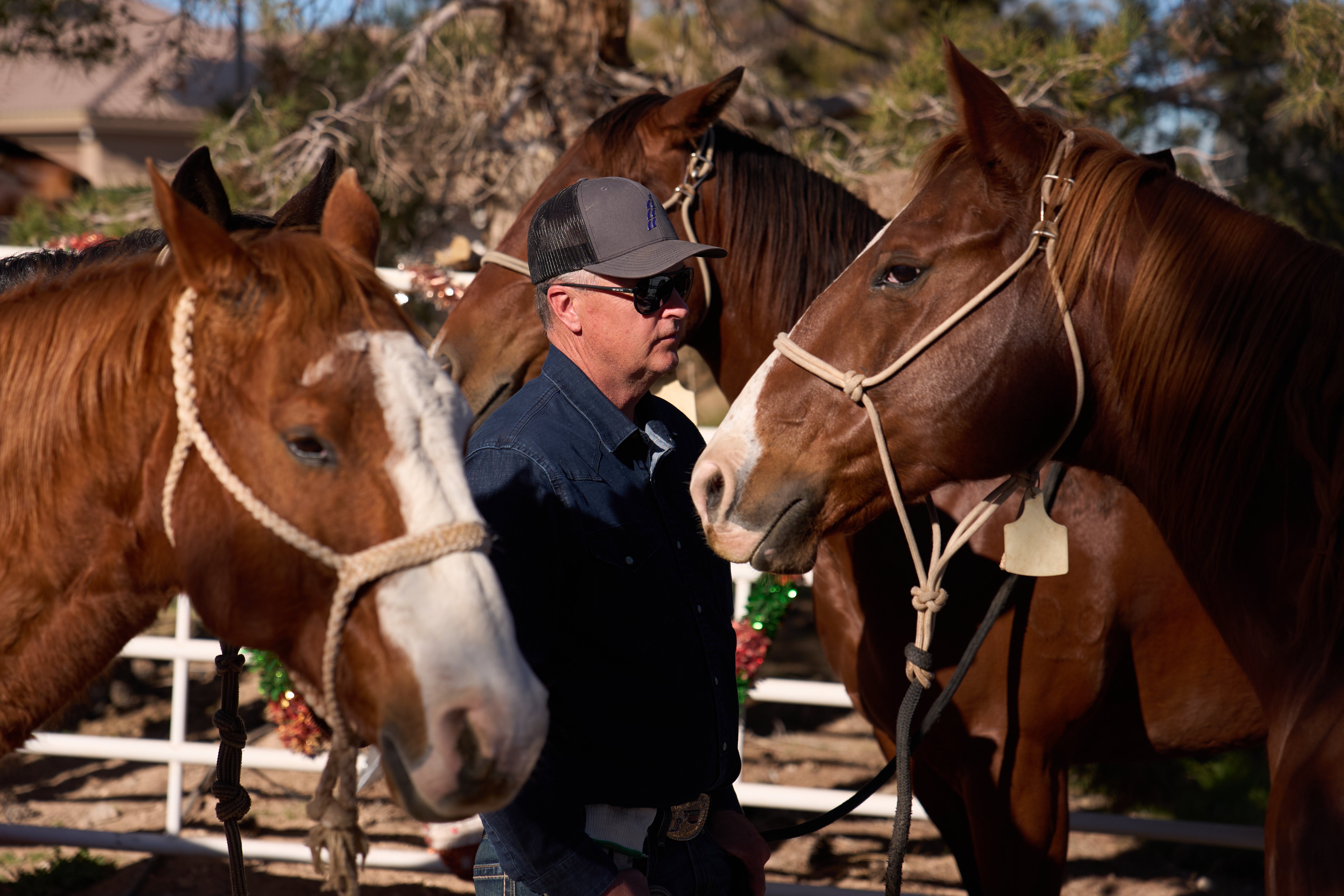
Nevada state authorities and NFR organizers at the Thomas & Mack Center swiftly implemented rigorous biosecurity measures to safeguard the health of the approximately 450 horses housed on the property. These protocols included mandatory entry permits for every horse entering the state, requiring a veterinarian to certify that the animal had not been in a confirmed EHV-1 location within the preceding 21 days. Once on site, horses were restricted to the property for the entire duration of the festivities, minimizing external contact.
Further protective measures at the main NFR venue included erecting physical barriers between stalls to prevent nose-to-nose contact, a common vector for viral transmission. Staff regularly sanitized water hoses after each use, and access to stables was severely limited, with group tours canceled. This strict approach aimed to mitigate the risk of human-mediated spread, as individuals can inadvertently carry the virus on their clothing or hands after contact with an infected horse.
Similar stringent precautions were enacted at the South Point Hotel, Casino & Spa, a key off-Strip venue hosting numerous amateur rodeo events alongside the NFR, where nearly 3,500 horses typically reside. The hotel enforced a 17-day horse-free period prior to the events commencing, ensuring thorough disinfection. Staff utilized agricultural washes like Synbiont to sanitize stalls between events, and horses were strategically spread out to maximize physical distancing.
South Point’s commitment to equine safety extended to modifying or canceling specific competitions, including portions of the Miss Rodeo America Pageant and rescheduling the National Finals Breakaway Roping event to Fort Worth, Texas. Steve Stallworth, South Point’s arena general manager, emphasized the facility’s readiness with dedicated quarantine stalls for any suspected cases, asserting that saving even one horse justified any financial losses incurred due to reduced participation.
The widespread concern among horse owners was palpable, significantly influencing attendance. Kristine Weitz, owner of Fly Again Ranch Horse Boarding and Hotel, noted a sharp decline in bookings, stating that the virus “scared the bejesus out of everybody.” This sentiment was echoed by riders like Taylor Lawson, who undertook a non-stop 22-hour drive from New Waverly, Texas, with her two horses, Hollywood and Elvis, to avoid state lines that would necessitate additional health checks and paperwork.
Upon arrival in Las Vegas, Lawson maintained rigorous vigilance, diligently checking her horses’ temperatures morning and night and minimizing their interaction with other animals at roping events. Her dedication, alongside the collective efforts of organizers and participants, underscored the community’s resolve to protect their animals amidst the EHV-1 threat. While no EHV-1 cases were confirmed in Nevada during the event, the proactive measures served as a critical defense against potential spread.



![[post_title]](https://samony.com.ng/wp-content/uploads/2025/12/1765552056_Lady-reflects-on-her-past-says-shes-done-with-multiple-300x150.jpg?lm=693C2FBA "Nigerian Woman Shifts from Multiple Dates to Monogamy at 28")

![[post_title]](https://samony.com.ng/wp-content/uploads/2025/12/10-of-the-greatest-murder-mysteries-ever.jpg?lm=693C3601 "Greatest Murder Mysteries: Timeless Tales of Intrigue")


