

![[post_title]](https://samony.com.ng/wp-content/uploads/2025/11/Justice-Department-renews-bid-to-unseal-Jeffrey-Epstein-grand-jury-1024x683.jpg?lm=6924BAA9)
Unsealing the Epstein Files: A Critical Look at the DOJ’s Persistent Pursuit
The Justice Department’s renewed push to unseal Jeffrey Epstein grand jury materials provokes layered questions. Is this a genuine pursuit of transparency, or is something else at play? After watching similar legal maneuvers over the years, a bit of skepticism feels appropriate.
The core argument rests on the Congressional approval and subsequent presidential sign-off mandating the release of investigative materials linked to Epstein. The DOJ now contends that this supersedes prior legal hurdles, specifically those erected by Judge Richard Berman. The judge previously blocked the release, claiming that the grand jury transcripts were insignificant compared to the vast trove of information already in the Justice Department’s possession. He also pointed out that the agent’s testimony was essentially hearsay.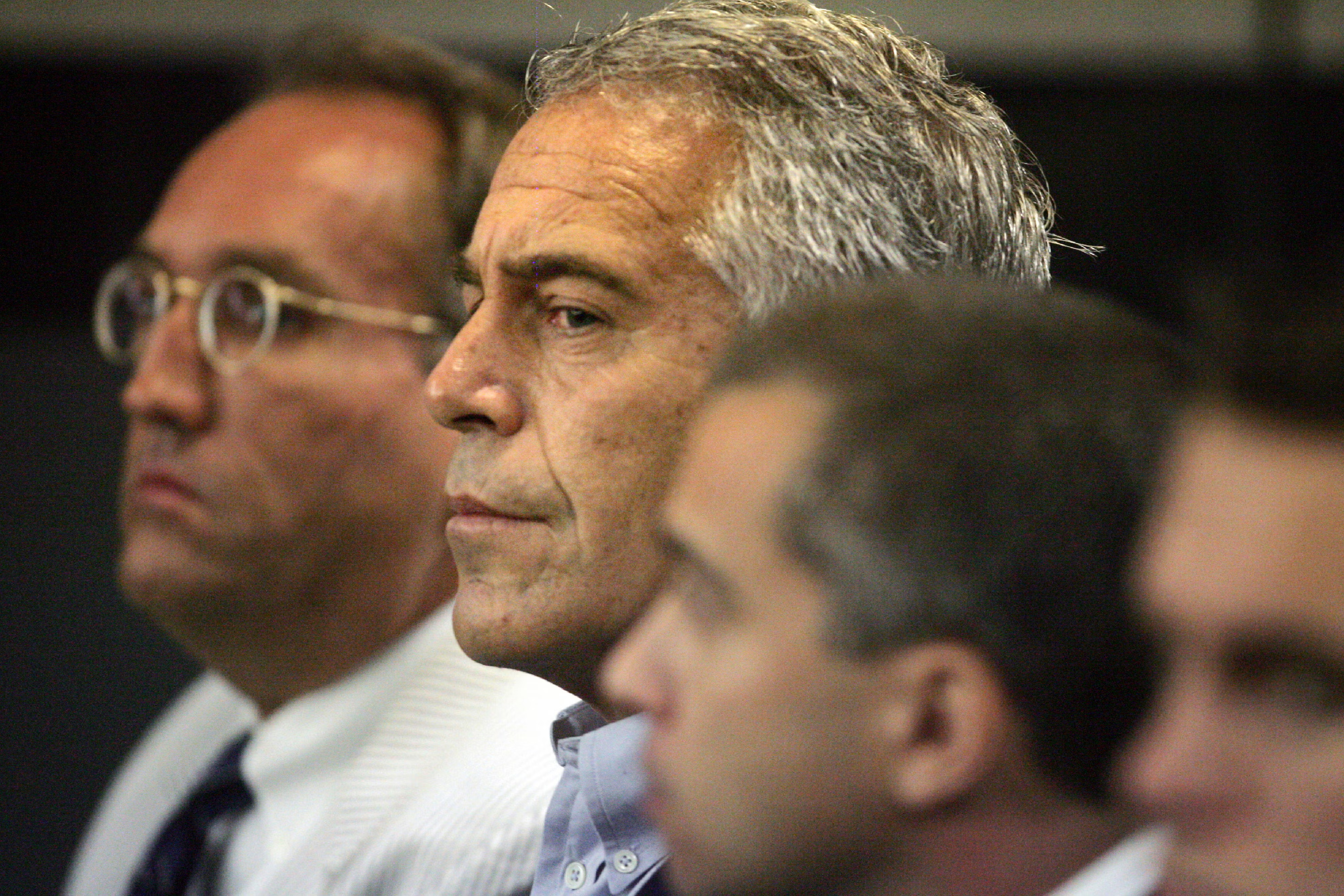 >
>
It’s worth noting that Judge Berman isn’t the only judge to express reluctance. Other judges have also resisted the public release of materials tied to the Epstein investigation. This consistent pattern suggests a deeper complexity. Are these judges simply being overly cautious, or are they privy to information that warrants a more guarded approach?
The DOJ emphasizes that an FBI agent was the sole witness to testify before the grand jury. The agent, as Judge Berman highlighted, lacked direct knowledge of the case. The rest of the presentation boiled down to a PowerPoint and a call log. The grand jury indicted Epstein following this presentation. This raises a critical question: what new insights can these grand jury materials truly offer that hasn’t been unearthed?
Given these facts, it’s easy to see why many are puzzled. Is the potential yield worth the effort, especially considering the risk of exposing potentially traumatizing details for victims? Could this relentless pursuit serve some other purpose, perhaps one less connected to the pursuit of justice than the appearance of it?>
The timing of these moves is also noteworthy. The original request to unseal the documents came during the Trump administration, a request Judge Berman rebuffed. Now, the DOJ, with a different administration at the helm, continues the chase. Such consistent interest, regardless of political leadership, hints at deeper motivations.
The Epstein saga is layered with complexities. Epstein’s arrest in July 2019 and subsequent death in a Manhattan jail cell just a month later, ruled a suicide, only deepened the mystery. His death effectively closed the criminal case against him, leaving many questions unanswered and victims without a sense of full justice.
This challenge of delivering justice for Epstein’s victims remains a core concern. The victims deserve to have their voices heard and their pain acknowledged. Unsealing these files could potentially provide some measure of closure, but it could also retraumatize them. This ethical dilemma weighs heavily on the decision-making process.
The media attention surrounding this case is intense. News outlets around the globe continue to report on every development, fueling public interest and pressure. This constant scrutiny likely influences the actions of all parties involved, including the Justice Department and the courts.
It’s tempting to hope these documents contain explosive revelations that will finally expose all those involved. Yet, tempering expectations is important. The grand jury testimony, as previously noted, may be limited. Instead, the true value might lie in reinforcing what we already know, in providing corroborating details that solidify the narrative of abuse and exploitation.
To that end, the unsealing of these files could have wider implications, namely in shaping public discourse around issues of power, wealth, and abuse. By bringing these issues into the light, it is possible to foster a deeper understanding of the systemic factors that enabled Epstein’s crimes.
Still, we can’t dismiss the possibility of further legal challenges. It is likely that interested parties will attempt to block the release of the materials, citing privacy concerns or other legal arguments. This legal battle could drag on for months, if not years.
Regardless of the legal wrangling, the Epstein case serves as a stark reminder of the vulnerabilities of young people and the importance of holding powerful individuals accountable. As new details emerge, our collective commitment to preventing similar abuses should only intensify.

![[post_title]](https://samony.com.ng/wp-content/uploads/2025/12/1764947782_Trump-hires-a-new-architect-for-his-300M-White-House-300x200.jpeg?lm=6932F74A "Decoding Trump’s White House Ballroom: Design, Donations, and the Soul of American Power")
![[post_title]](https://samony.com.ng/wp-content/uploads/2025/12/Chinese-Expatriate-Flees-Nigeria-After-Release-From-Kidnappers-Den.jpg?lm=6932F799 "Nigeria: Kidnapping, Investment, and Expatriate Risk")
![[post_title]](https://samony.com.ng/wp-content/uploads/2025/12/1764947902_Im-A-Celebs-Ruby-Wax-throws-drink-on-ITV-set-300x158.jpg?lm=6932F7C1 "Reality TV’s Evolution: “I’m A Celebrity” and the Quest for Authenticity.")


![[post_title]](https://samony.com.ng/wp-content/uploads/2025/12/Caesar-launches-crypto-tax-rail-as-Nigerias-92bn-market-faces-300x171.png?lm=6932F6D9 "Nigeria’s Crypto Tax: Caesar’s Compliance Gambit")

![[post_title]](https://samony.com.ng/wp-content/uploads/2025/12/Netflix-to-buy-Warner-Bros-film-and-streaming-businesses-for.jpg?lm=6932FE40 "Netflix Just Made a HUGE Move: Buying Warner Bros?!")
![[post_title]](https://samony.com.ng/wp-content/uploads/2025/12/1764947782_Trump-hires-a-new-architect-for-his-300M-White-House-1024x683.jpeg?lm=6932F74B "Decoding Trump’s White House Ballroom: Design, Donations, and the Soul of American Power")
