

![[post_title]](https://samony.com.ng/wp-content/uploads/2025/12/1764962269_Federal-judge-orders-Epstein-grand-jury-documents-unsealed-as-DOJ-1024x683.jpeg?lm=69332FE3)
Epstein Case: Unsealing Grand Jury Documents – A Critical Analysis
The Epstein saga continues to twist and turn. A federal judge in Florida has now commanded the unsealing of grand jury materials related to the investigation of Jeffrey Epstein. This follows a measure compelling the Justice Department to release all investigative files, signed, almost reluctantly, by former President Trump. It signals a potential shift, though how significant remains to be seen.
This initial order pertains to investigations from 2005 and 2007. What’s compelling is that the Justice Department must publicly disclose the files it possesses. Yet, these don’t encompass documents actually presented to the grand juries considering indictments against Epstein and Ghislaine Maxwell. Make of that what you will.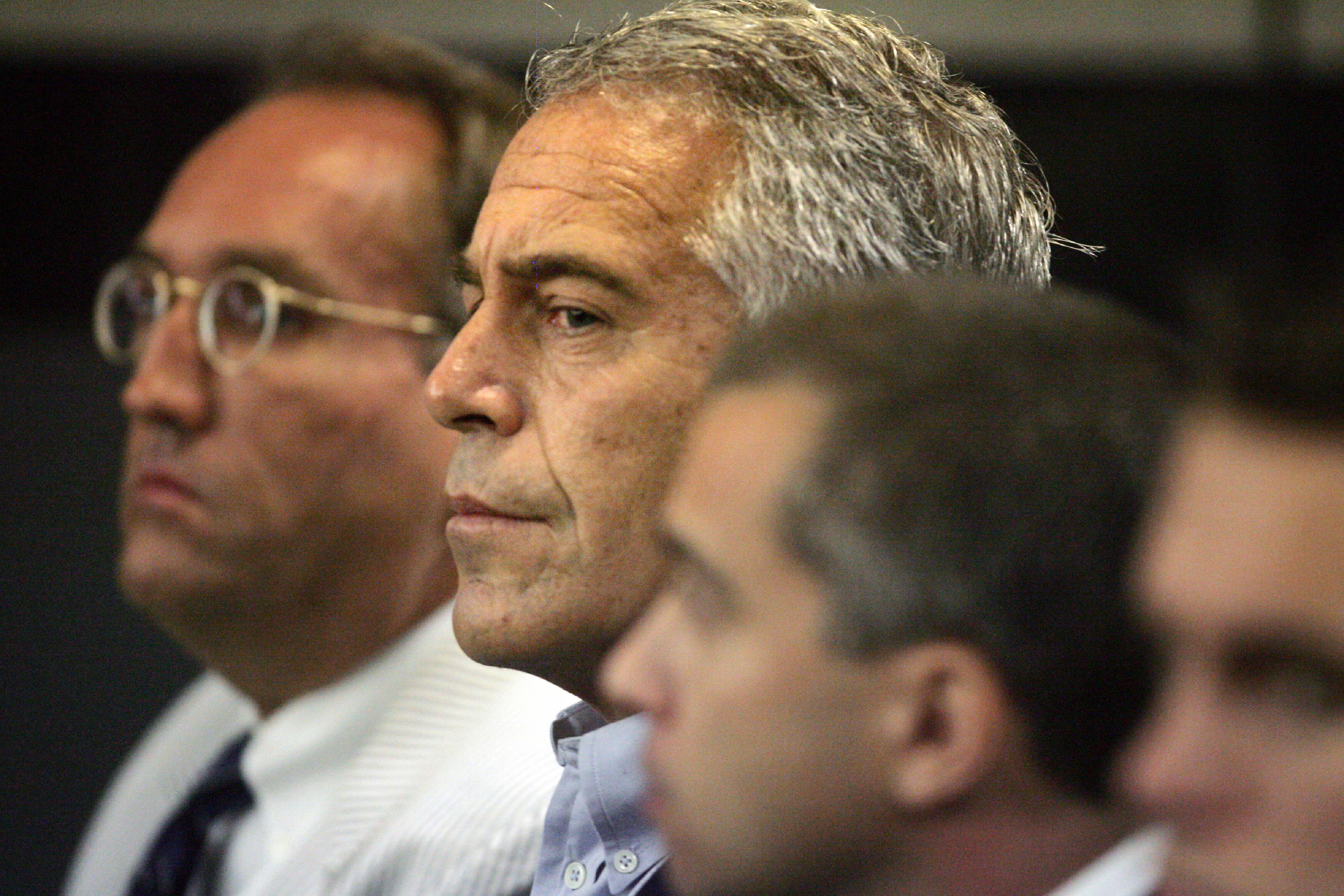 >
>
Simultaneous requests exist in New York. Judges are contemplating the release of grand jury documents concerning the Maxwell case. Her legal team argues that releasing these files could undermine any chance of a fair retrial, should her appeal succeed. Essentially, they claim prejudice from “untested and unproven allegations.” Victim’s attorneys counter with the warning that not releasing the documents “may be used by others as a pretext or excuse for continuing to withhold crucial information concerning Epstein’s crimes.”
The Justice Department, in July, declared that “no further disclosure” would be appropriate. This, unsurprisingly, ignited accusations of a cover-up, shielding powerful figures allegedly linked to Epstein’s trafficking ring.
The Florida materials arise from a dropped federal case against Epstein. Critics often decry the “sweetheart” deal that resulted in lighter state charges and a short jail stay. Is this the result of the long-held perception of a dual justice system?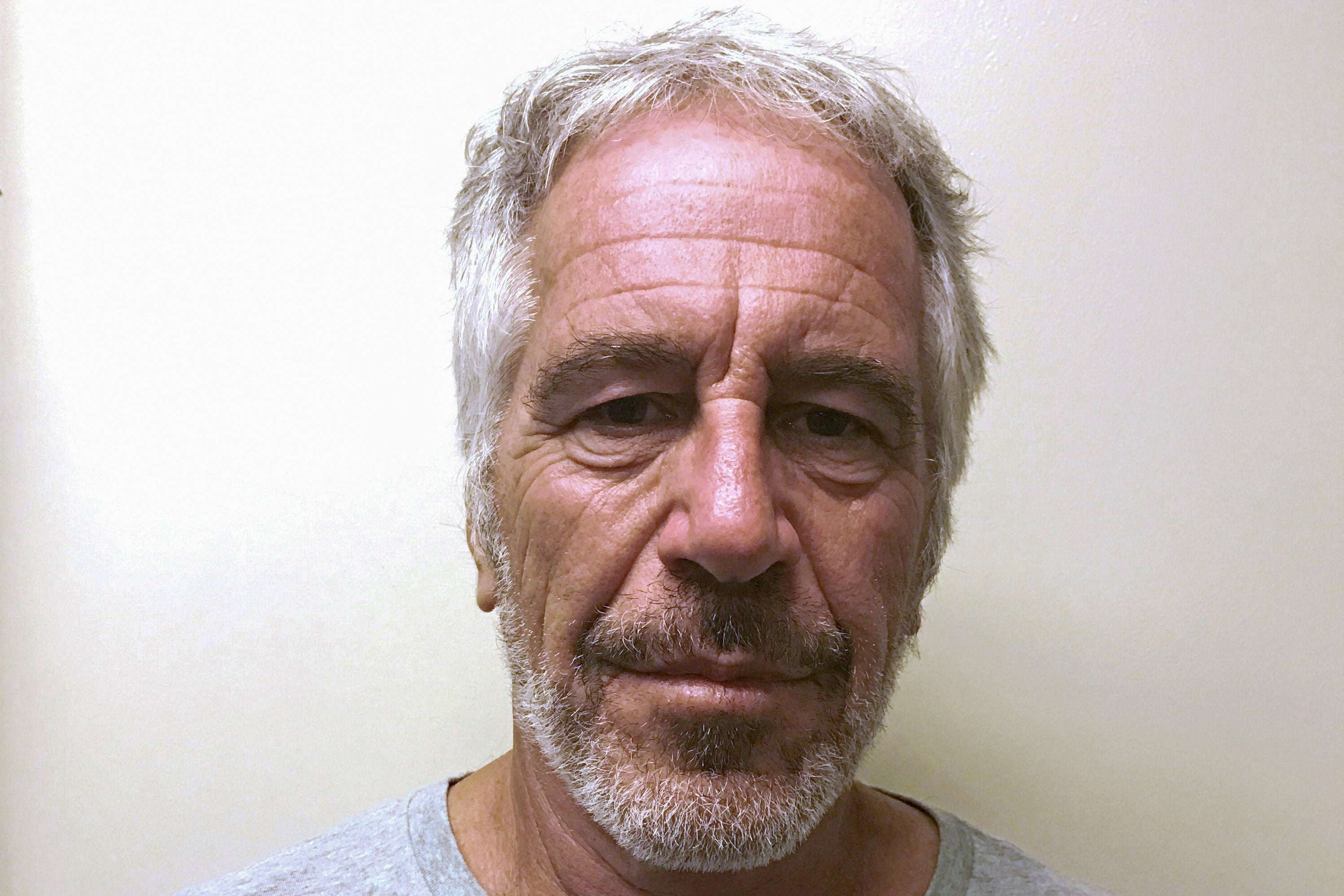 >
>
In 2006, a Palm Beach grand jury indicted Epstein on a single state felony charge of solicitation of prostitution. Subsequently, in 2007, a draft indictment surfaced, outlining 60 criminal counts. That’s quite the discrepancy. Alex Acosta, then U.S. Attorney, brokered the controversial agreement that allowed Epstein to plead guilty to two state charges. As part of the agreement, he was placed in a state prison, served just under 13 months and registered as a sex offender in exchange for dropping the federal case. Many see this as justice obstructed.
Looking at all this, several angles demand scrutiny.
Firstly, the timing of these unsealing orders is noteworthy. Is this a genuine push for transparency, or a politically motivated maneuver? One might argue it is difficult to divorce the former from the latter in our current media ecosystem.
Secondly, the scope of the release matters. The fact that grand jury documents themselves are at issue, not just investigative files, holds considerable weight. Those grand jury materials may uncover details and witness testimonies that have been buried for far too long.
Thirdly, Maxwell’s appeal for a retrial introduces a complication. Her team’s argument, that unsealed documents could jeopardize her chances, raises valid concerns about due process. Is there a way to balance transparency with fair trial rights? If there is a way, we are sure to find some interesting innovations in legal approaches.
Fourthly, the Justice Department’s initial resistance to further disclosure is deeply troubling. It reinforces the suspicion of a broader conspiracy, involving individuals in positions of power. Perhaps this is a naive perspective, given the limited role the government should play in the affairs of its citizens, but there needs to be some semblance of justice at the end of this ordeal.
Fifthly, and possibly most importantly, the victims deserve answers. Their voices have been marginalized for too long, and the release of these documents could shed light on the extent of Epstein’s crimes and the network that enabled him. There may never be enough justice for these victims.
Having observed similar situations play out in various sectors, one thing remains clear: information is power. The release of these documents, even with their limitations, could be a step towards holding powerful individuals accountable. It may well be the key to unlocking further investigations and, ultimately, justice for the victims.
Still, skepticism is warranted. The legal system is notoriously slow and complex. The forces protecting powerful individuals are formidable. We can hope that this unsealing is more than a performative act, but a genuine stride toward uncovering the truth. Is the juice worth the squeeze? Will this information be powerful and hold true, or will it lead to nothing? It remains to be seen if the release of these documents will deliver genuine accountability or merely offer another layer of complexity to an already tragic and convoluted case.

![[post_title]](https://samony.com.ng/wp-content/uploads/2025/12/1764962435_Star-says-Im-a-Celeb-stint-drove-him-back-to-300x158.jpg?lm=69333084 "Iain Lee’s Relapse After Reality TV: Time for Shows to Actually Care?")
![[post_title]](https://samony.com.ng/wp-content/uploads/2025/12/BREAKING-Full-draw-for-2026-World-Cup-group-stages-confirmed-300x169.jpg?lm=69333125 "2026 World Cup Draw: Initial Reactions and Open Questions")
![[post_title]](https://samony.com.ng/wp-content/uploads/2025/12/SteamOS-vs-Windows-on-dedicated-GPUs-Its-complicated-but-Windows-300x169.jpeg?lm=69332D16 "SteamOS vs. Windows Gaming: 2026 Performance Showdown")
![[post_title]](https://samony.com.ng/wp-content/uploads/2025/12/Spurs-U19s-vs-Slavia-Prague-U19s-UEFA-Youth-League-300x146.jpg?lm=69331A87 "Tottenham Hotspur U19s vs. Slavia Prague U19s: How to Get Free Tickets")
![[post_title]](https://samony.com.ng/wp-content/uploads/2025/12/Landlord-dumps-kidnapped-tenants-belongings-outside-after-months-of-waiting-300x150.jpg?lm=69331AFD "Missing Tenant, Landlord’s Loss: Has Compassion Left the Rental Market?")
![[post_title]](https://samony.com.ng/wp-content/uploads/2025/12/1764955514_World-Cup-2026-draw-live-England-Scotland-and-hosts-USA-300x200.jpg?lm=6933157E "2026 World Cup Draw: Geopolitics and Growing Pains")

![[post_title]](https://samony.com.ng/wp-content/uploads/2025/12/What-is-SPF-and-how-is-sunscreens-sun-protection-factor.jpeg?lm=69332F2C "Australian Sunscreen Standards Under Fire: Are SPF Claims Reliable?")
![[post_title]](https://samony.com.ng/wp-content/uploads/2025/12/1764962435_Star-says-Im-a-Celeb-stint-drove-him-back-to-1024x538.jpg?lm=69333084 "Iain Lee’s Relapse After Reality TV: Time for Shows to Actually Care?")
![[post_title]](https://samony.com.ng/wp-content/uploads/2025/12/BREAKING-Full-draw-for-2026-World-Cup-group-stages-confirmed-1024x576.jpg?lm=69333125 "2026 World Cup Draw: Initial Reactions and Open Questions")
