Analyzing the Newcastle vs. Manchester City Upset: More Than Just a Headline
Newcastle’s recent victory over Manchester City is generating significant buzz. The headlines scream “upset,” and, sure, on paper it looks that way. City, with its seemingly endless resources and tactical masterclass of Pep Guardiola, should win. But digging deeper, this result hints at broader, perhaps more interesting trends shaping the English Premier League.
For starters, let’s steer away from framing this merely as a lucky break for Newcastle. It’s reductive. While luck always plays a role, dismissing Newcastle’s performance diminishes the hard work and tactical adjustments they clearly implemented. They absorbed pressure, yes, but they also displayed a cutting edge on the counterattack, particularly through Harvey Barnes. His two goals weren’t flukes; they were the product of intelligent movement and clinical finishing.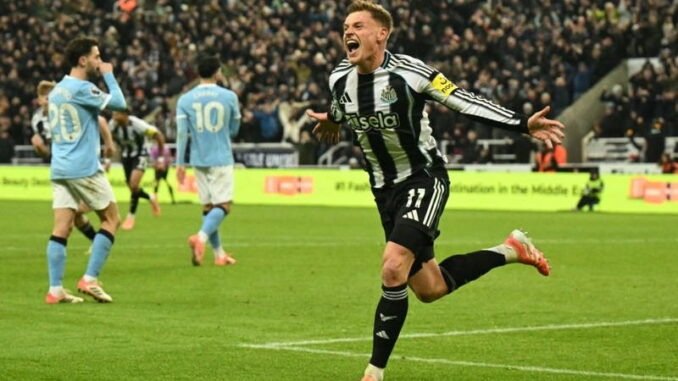 >
>
Man City’s loss can’t be written off as a one-off either. While they dominated possession in the first half, converting that dominance into goals is where they faltered. We saw wasted opportunities. We observed a certain lack of sharpness in the final third. It makes you wonder if the relentless pressure of competing on multiple fronts – Premier League, Champions League, domestic cups – is finally taking its toll. Or is it a sign of something more profound, like tactical innovations by other teams figuring out how to neutralize City’s previously unstoppable machine?
This result impacts the Premier League title race, definitely. Arsenal now enjoys breathing room at the top. This breathes confidence into their squad. It puts added pressure on City to respond. Still, it is too early to declare any shifts in power. We know City’s capable of going on incredible winning streaks. This is a marathon, not a sprint.
Beyond the immediate implications for the title race, this Newcastle victory is intriguing because it underscores the growing competitiveness of the Premier League’s middle tier. Teams like Newcastle, flush with investment and driven by ambitious managers, are no longer content to simply avoid relegation. They’re building squads capable of challenging the established elite, disrupting the predictable hierarchy. We have observed this pattern with other clubs. Aston Villa’s resurgence under Unai Emery is a perfect example.>
The increased financial investment in clubs outside the “Big Six,” fueled by savvy ownership and lucrative broadcasting deals, is leveling the playing field, or at least making it less uneven. It’s worth noting that this investment extends beyond just signing star players. It includes improvements to training facilities, scouting networks, and data analytics capabilities. These are all crucial elements for sustained success in modern football.
This challenge means the top teams can’t afford to rest on their laurels. They must continue to evolve, innovate, and adapt to stay ahead of the chasing pack. Guardiola, for one, is a master of tactical evolution. But even his genius can be tested by the relentless intensity and increasing parity of the Premier League.
Given these facts, the “big six” concept is increasingly outdated. A more accurate description would be a “top two” followed by a group of ambitious clubs hungry to break into the elite. That creates greater unpredictability. This is great for the fans. It elevates the league’s entertainment value.
Some will argue that City’s loss was simply a blip, a momentary lapse in concentration. Yet, I’d argue that it’s more than that. It’s a symptom of a broader trend: the Premier League is becoming more unpredictable. The gap between the top and the rest is shrinking.
From my perspective, having followed the Premier League for years, this shift is a welcome development. It injects fresh energy into the league, making it more exciting and engaging. This benefits everyone involved, from the clubs themselves to the fans watching around the world.
To that end, the Newcastle victory is not just a single game. It’s a microcosm of a larger transformation taking place in the Premier League. It suggests that the old order is being challenged. The future of the league is likely to be more competitive, more unpredictable, and ultimately, more entertaining.

![[post_title]](https://samony.com.ng/wp-content/uploads/2025/12/1764752038_Gary-Lineker-to-appear-on-Netflix-in-2026-World-Cup-300x202.jpg?lm=692FFAA9 "Lineker on Netflix? This Changes Everything About How We Watch Football.")