Beyond the widely recognized AI chatbots such as ChatGPT, Gemini, and Claude, a new generation of highly specialized artificial intelligence tools is emerging, poised to redefine daily tasks and personal productivity. These niche applications, often overlooked in mainstream discourse, are engineered to tackle specific challenges with precision, offering tailored solutions that general-purpose AI models might struggle to deliver as efficiently. Experts suggest these focused platforms represent a significant evolution in AI utility, promising to integrate seamlessly into various aspects of life by 2026.
Among these innovative offerings is Goblin Tools, a platform initially developed to assist neurodivergent individuals but proving invaluable for anyone experiencing mental overload. This AI-powered assistant excels at deconstructing complex tasks into manageable, bite-sized steps, transforming vague objectives into clear, actionable plans. It also facilitates tone adjustments for written communications and provides objective time estimations for activities, all within a clean, non-judgmental interface designed to reduce cognitive burden.
The efficacy of Goblin Tools stems from its direct approach to mitigating mental pressure, adapting to varying user needs without sentimentality. Unlike broader AI models that require meticulous prompting to achieve similar results, Goblin Tools packages its functions with inherent context, making difficult tasks demonstrably easier. The service operates primarily on a free tier, with optional paid features for extensive usage and a donation model, emphasizing accessibility and integration with existing productivity systems.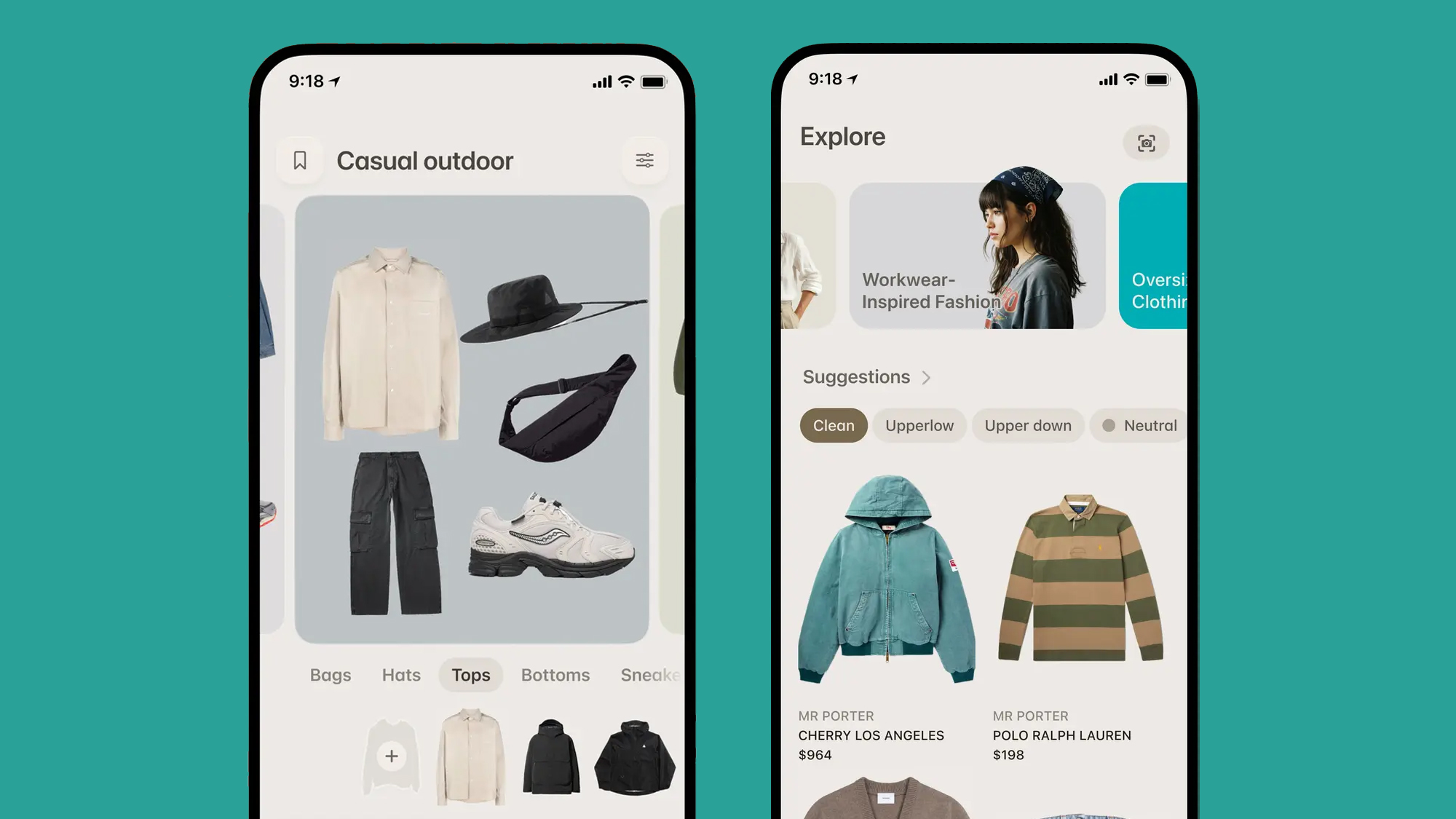
Another notable application is Aesty, an AI-driven fashion tool that revolutionizes wardrobe management and styling. Users can upload images and descriptions of their clothing items, allowing the AI to visualize how pieces appear on their specific face and body types. Aesty then goes further, assembling complete, personalized outfits tailored to individual plans and preferences, effectively eliminating the stress often associated with daily clothing choices.
Aesty distinguishes itself from other virtual fashion platforms through its advanced visual intuition, applying sophisticated styling logic based on a user’s actual wardrobe. It can also analyze a selfie to recommend complementary makeup and color palettes that align with natural tones. The application is available for free, though premium planning and recommendation features require a subscription, enhancing its utility for comprehensive personal styling.
Pine emerges as a robust AI financial and administrative assistant, designed to proactively manage and resolve common frustrations. This autonomous tool can directly engage with service providers, emailing or calling on a user’s behalf to cancel subscriptions, negotiate lower bills, or even appeal denied health insurance claims. Pine handles document gathering, communication with relevant parties, and persistent follow-up until issues are resolved.
The assistant’s fully autonomous AI model empowers it to undertake daunting administrative tasks, effectively outsourcing time-consuming and often stressful interactions. While general chatbots might offer advice or simulated conversations, Pine takes direct action, offering a significant advantage in areas like managing gym memberships or utility contracts. Access to Pine operates on a tiered pricing structure, with new users typically joining via a waitlist.
In the realm of communication, Papago stands out as a highly sophisticated translation application, particularly acclaimed for its nuanced understanding of complex meanings in languages such as Korean, Japanese, and Thai. Verified by native speakers, Papago consistently surpasses general translation tools by accurately discerning tone, slang, and subtle cultural contexts that often elude broader AI models.
Its ability to differentiate between casual and formal phrasing in languages like Japanese, and to preserve layered meanings in Korean-to-English translations, establishes Papago as a reliable resource for international communication and content consumption. The application prioritizes clarity and accuracy, ensuring that intricate foreign expressions are conveyed with precision to non-native speakers, fostering greater cross-cultural understanding.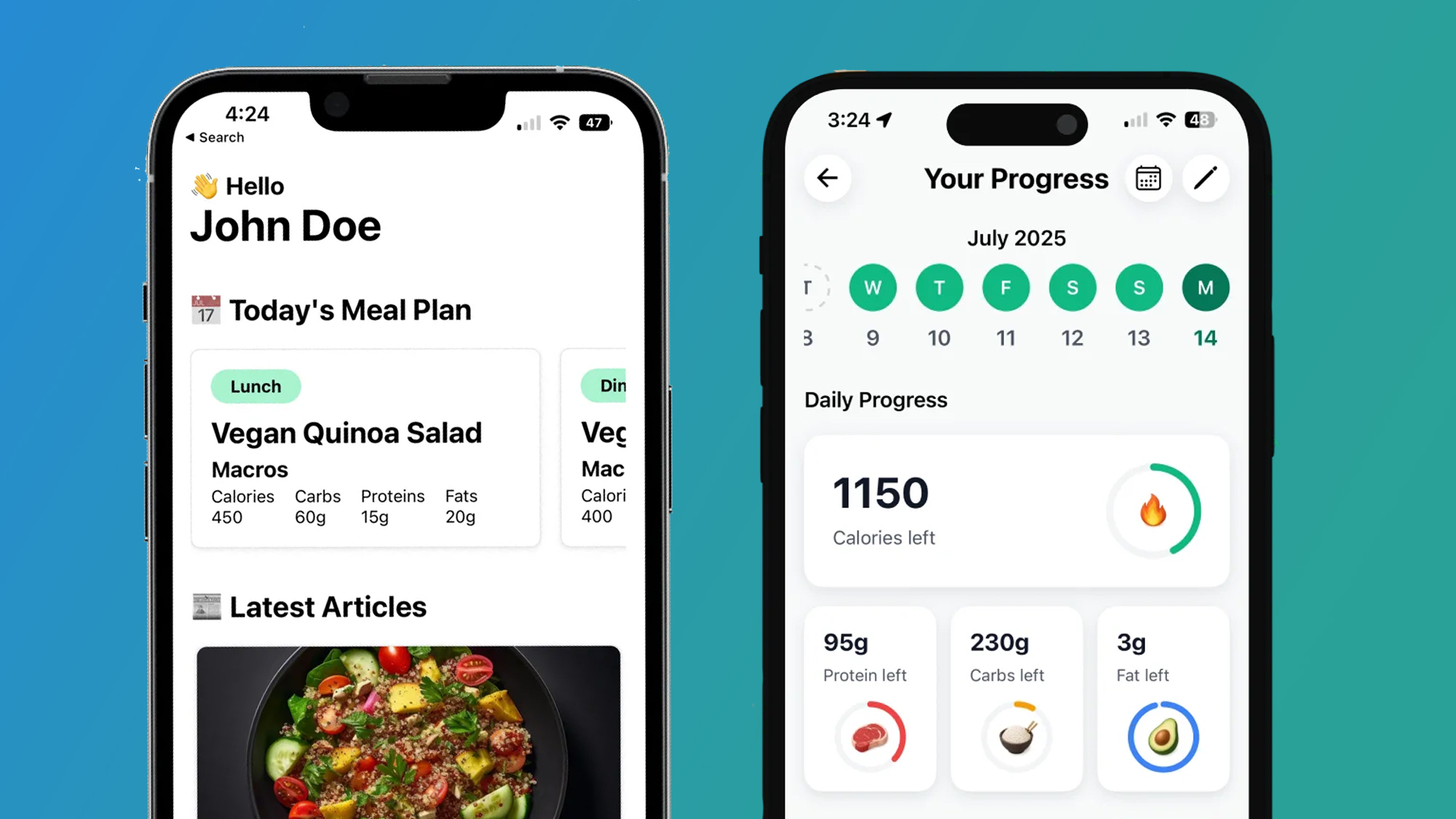
Finally, ChefGPT addresses the practicalities of home cooking by generating recipes tailored to existing ingredients, available time, and personal energy levels. This AI integrates culinary databases with flavor profile analysis, producing realistic cooking instructions and meal plans. Its unique strength lies in image recognition, allowing users to upload photos of fridge contents or even finished dishes to receive plausible recipes or meal suggestions.
ChefGPT’s filters ensure suggestions remain practical and aligned with regional cuisines and cooking methods, distinguishing it from more theoretical recipe generators. This frictionless approach makes the process of meal planning and preparation significantly easier than attempting to prompt general-purpose AI chatbots for similar outcomes. A free tier is available, with paid plans offering enhanced structural control and additional features.
These specialized AI tools underscore a clear trend in artificial intelligence development: a move towards deeply integrated, context-aware solutions designed to address specific human needs. By focusing on particular domains—from personal organization and fashion to finance, language, and culinary arts—these platforms demonstrate the transformative potential of AI when applied with precision, promising a more efficient and less burdensome future for everyday life.



![[post_title]](https://samony.com.ng/wp-content/uploads/2025/12/1766833169_MotoGP-breaks-attendance-records-in-2025-only-two-circuits-see-300x200.jpg?lm=694FBC13 "MotoGP Sets New Attendance Milestone, Exceeding 3.6 Million Fans")