

![[post_title]](https://samony.com.ng/wp-content/uploads/2025/11/1764447766_Anniversary-Edo-political-parties-score-Okpebholo-low.jpg?lm=692B5616)
Edo State Governance: A Year In, A Look Beyond the Headlines
Political anniversaries invariably spark debate. In Edo State, the one-year mark of Governor Okpebholo’s tenure is no different, prompting mixed reactions and a critical assessment from the Coalition of Registered Political Parties (CRPP). This isn’t unexpected. Parties in opposition positions are often critical of the ruling government. The key question remains: does their assessment hold water?
The CRPP, spearheaded by Dr. Samson Isibor, paints a concerning picture. They suggest that the promised improvements in citizen’s lives haven’t materialized. This isn’t just about abstract metrics; it concerns tangible issues like food prices, employment opportunities, and, critically, security. It is interesting to see that the CRPP feels the governor is getting political praise singing, which they do not align with.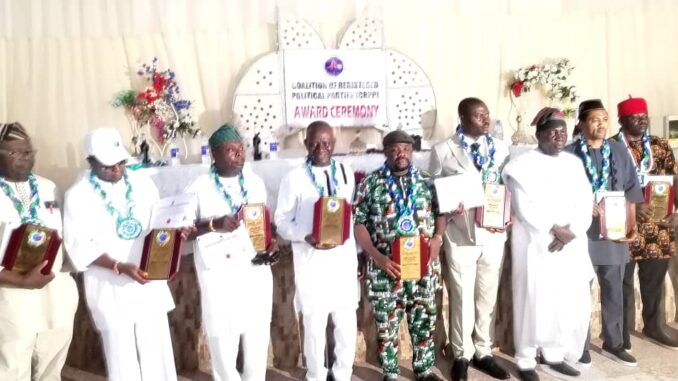 >
>
Security issues plague much of Nigeria, and Edo State seems to be sharing in this burden. The CRPP alleges bandits and violent groups have expanded their reach, disrupting agriculture and instilling fear. Such statements are weighty. If true, the implications for the state’s economy and stability are significant. One must ask: what substantiates these claims? Are they isolated incidents, or do they reflect a systemic breakdown?
Unemployment remains a persistent challenge across Nigeria, and Edo State appears to be no exception. The CRPP highlights the plight of graduates struggling to find work. This suggests a disconnect between the skills being produced and the needs of the local economy. One wonders, what strategies has the governor implemented to address this mismatch?
The CRPP’s criticism extends to what they perceive as an overreliance on political praise. They urge the governor to focus on addressing real problems instead of getting swept away by flattering nicknames. This is a common sentiment in politics. What matters is not the rhetoric but the results.>
Still, are these criticisms entirely fair? One year is often a short time to enact sweeping change. Bureaucracy moves slowly, and some problems are deeply entrenched. Perhaps the governor has laid the groundwork for future progress that hasn’t yet borne fruit. It is crucial to consider what plans Okpebholo has in place.
The CRPP offers a potential solution: the Ekiti State agricultural employment model. This approach, they claim, has generated jobs and lowered food prices. They commend the governor’s visit to Ekiti and hope he will implement similar strategies in Edo State. Agricultural employment models could work, especially if the state invests in necessary modern tools and training.
The comparison to Ekiti is insightful. If that state’s agricultural program really has achieved the claimed successes, it could offer a roadmap for Edo. Still, replicating a model from one state to another isn’t always straightforward. Local context matters. What works in Ekiti might not automatically work in Edo due to different environmental conditions, local market dynamics, or cultural practices.
The key to Okpebholo’s success will likely depend on his ability to listen to a range of voices, not just those singing his praises. It necessitates a willingness to adapt and innovate, drawing inspiration from successful models while tailoring them to the unique realities of Edo State. It also requires transparency and accountability. Citizens need to see tangible progress, not just hear empty promises.
This challenge, in Edo, requires a multi-faceted approach. Investment in education and skills training must align with the demands of the labor market. Initiatives to support entrepreneurship and small businesses can create new opportunities. Addressing security concerns is paramount to fostering a stable environment for economic growth.
So, what can we expect in the coming year? Time will tell whether Governor Okpebholo can navigate these challenges effectively. His administration’s actions in the next year will determine whether the initial criticisms from the CRPP are justified or whether they prove to be premature judgments on a work in progress. It’s worth noting that the next election cycle is always on the horizon, adding another layer of complexity to the political landscape. Regardless, the people of Edo deserve a government that prioritizes their well-being and delivers tangible results.

![[post_title]](https://samony.com.ng/wp-content/uploads/2025/11/Army-confirms-rescuing-21-abducted-by-bandits-in-Kogi-300x164.jpg?lm=692B5254 "Kogi Kidnapping Rescue: Translating Tactical Wins into Sustainable Security")
![[post_title]](https://samony.com.ng/wp-content/uploads/2025/11/A-ver-si-sacamos-algo-ante-el-Atletico-300x169.jpg?lm=692B503E "Decoding Football Fandom: Oviedo’s Madrid Invasion and the True Value of Support")
![[post_title]](https://samony.com.ng/wp-content/uploads/2025/11/1764446269_Newcastle-coast-against-Everton-to-finally-end-away-day-Premier-League-300x200.jpeg?lm=692B503F "Did Newcastle Just Solve Their Away Day Curse, or Was Everton That Bad?")
![[post_title]](https://samony.com.ng/wp-content/uploads/2025/11/1764446349_Gloucester-secure-first-victory-of-Prem-season-as-Bristol-end-300x197.jpeg?lm=692B508F "Premiership Rugby: Reading Between the Scorelines to Find the Real Game.")
![[post_title]](https://samony.com.ng/wp-content/uploads/2025/11/1764446363_Kash-Patels-behavior-as-FBI-director-has-earned-him-a-300x200.jpeg?lm=692B509F "Leading with Integrity: Rebuilding Trust After Ethical Lapses at the FBI Top.")
![[post_title]](https://samony.com.ng/wp-content/uploads/2025/11/1764445643_AirPods-Pro-3-Black-Friday-deal-Earbuds-fall-to-lowest-300x200.png?lm=692B4DCE "AirPods Pro 3 Black Friday Deals: Are They Really Worth It?")

![[post_title]](https://samony.com.ng/wp-content/uploads/2025/11/1764447345_Alex-Scotts-heart-sank-as-Jess-Glynne-missed-her-Im-1024x538.jpg?lm=692B5471 "Decoding Celebrity Narratives: Love, Family, and Reality TV’s Hidden Scripts")
![[post_title]](https://samony.com.ng/wp-content/uploads/2025/11/Army-confirms-rescuing-21-abducted-by-bandits-in-Kogi.jpg?lm=692B5254 "Kogi Kidnapping Rescue: Translating Tactical Wins into Sustainable Security")
![[post_title]](https://samony.com.ng/wp-content/uploads/2025/11/A-ver-si-sacamos-algo-ante-el-Atletico-1024x576.jpg?lm=692B503F "Decoding Football Fandom: Oviedo’s Madrid Invasion and the True Value of Support")
