Analyzing Political Promises: A Critical Look at the 2027 Edo State Election and Beyond
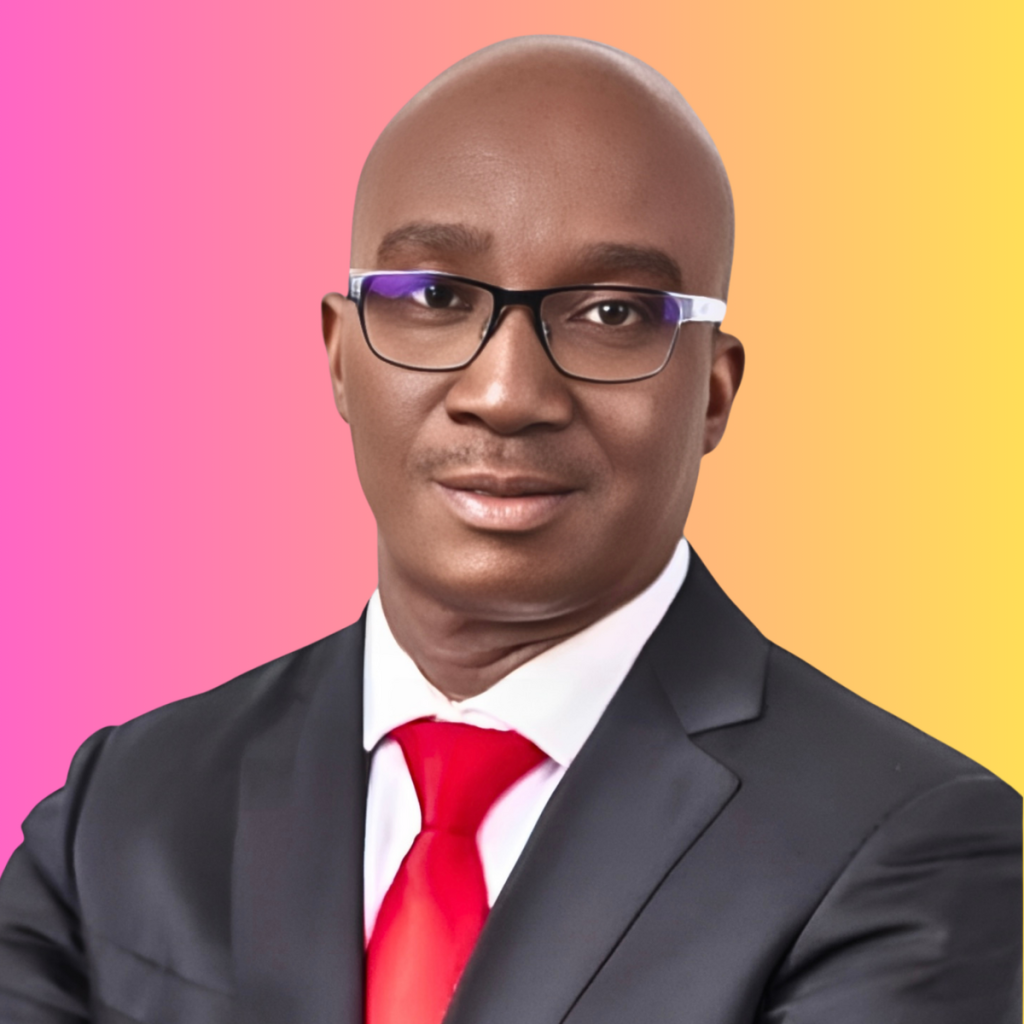
A recent pronouncement by Edo State Governor Monday Okpebholo caught my attention: He pledged to resign if President Bola Tinubu doesn’t secure victory in Edo during the 2027 presidential election. Such a bold declaration demands closer scrutiny. It highlights more than just local politics; it reveals underlying strategies and potential pitfalls within the current political landscape.
We often see politicians make dramatic statements. Yet, this particular instance raises several intriguing questions. Why stake his position so definitively on a future event? Is this a genuine display of confidence, or a calculated move to consolidate support and discourage dissent? It begs us to consider the broader forces at play.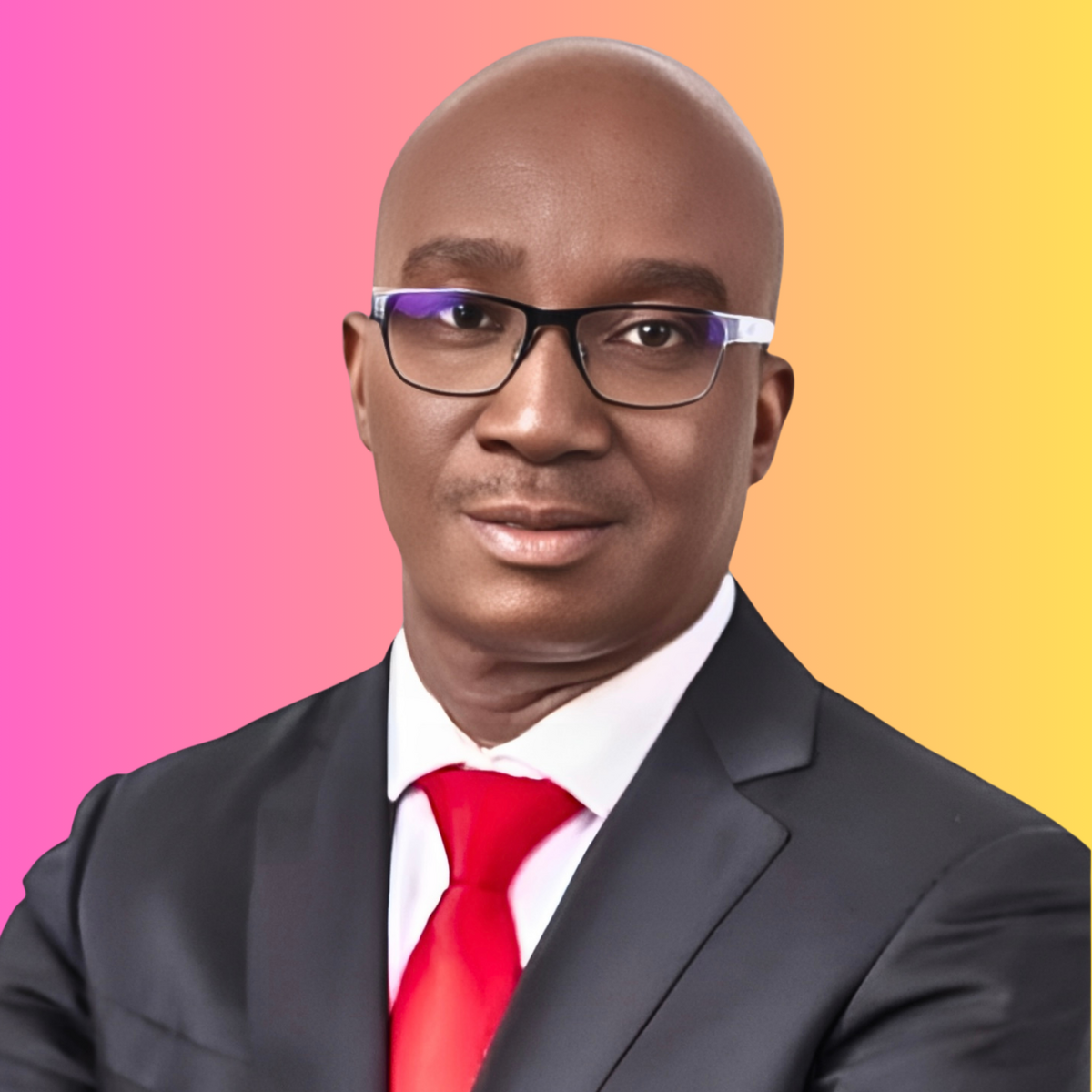 >
>
Edo State, historically, hasn’t always aligned predictably with national trends. This adds another layer of complexity. Okpebholo claims unwavering support for Tinubu, even suggesting the president is more popular than himself within the state. Statements like this require verification. How does he gauge this popularity? What data supports this assertion?
It’s tempting to dismiss such pronouncements as mere political theatrics. We’ve witnessed similar assurances evaporate in the past. Politicians often overstate their influence or misjudge the public mood. Consider the economic climate, shifting demographics, and the emergence of new political voices. These factors can dramatically alter voter behavior.
Still, there’s a strategic element that warrants examination. Okpebholo’s commitment could be a way to rally APC members and supporters in Edo. By raising the stakes, he attempts to foster a sense of urgency and commitment. It’s a gamble, certainly. But potentially a shrewd one designed to preemptively silence opposition and project an image of invincibility.>
However, this strategy also carries significant risks. Should Tinubu fail to win Edo in 2027, Okpebholo would be placed in a very tough situation. Resigning would damage his credibility. Backtracking on the promise would also harm his reputation, painting him as unreliable. This pledge creates a high-pressure scenario with potentially damaging consequences.
The governor cites projects spearheaded by the APC as justification for his confidence. He believes these initiatives will sway voters towards Tinubu. Infrastructure development, social programs, and job creation are likely central to this narrative. The success of these endeavors, and how effectively they’re communicated to the electorate, will influence voter decisions.
It’s worth asking whether the governor’s statements truly represent the sentiment of the entire state. Claims of “no opposition” are often exaggerated. Discontent can simmer beneath the surface, only to emerge unexpectedly. A healthy democracy thrives on diverse perspectives and challenges to the status quo.
Moreover, we must consider the role of the opposition parties in Edo State. Will they effectively organize and present a compelling alternative to the APC? The strength and unity of the opposition will undoubtedly impact the outcome of the 2027 election. They need to mobilize grassroots support and convey a message that resonates with voters.
Furthermore, the national political climate in 2027 will shape the election. Key issues like economic stability, security concerns, and social justice will influence voter preferences. A lot can happen in the next few years to shift the balance of power. Political landscapes are constantly changing.
Personal observation leads me to suspect these kinds of grand pronouncements are often more about projecting strength than reflecting reality. I’ve seen it time and again. Yet, they can still have a powerful effect on public perception and internal party dynamics. It’s a high-stakes game, no doubt.
It’s important to remember that political landscapes are often fluid, influenced by factors both within and beyond state borders. The 2027 election will be a complex interplay of local issues, national trends, and the personalities involved. Voter turnout, campaign strategies, and unforeseen events could all play a pivotal role.
Instead of accepting the governor’s assertion at face value, we should encourage critical analysis of the situation. Journalists, analysts, and concerned citizens ought to examine the factors that could shape the 2027 election in Edo State. A well-informed public discourse is important for any democracy.
The governor’s promise highlights the high stakes involved in Nigerian politics. It also prompts us to think more deeply about the strategies political figures use to maintain or increase their influence. Whether his pledge will become a source of political triumph or a regrettable miscalculation remains to be seen.
Ultimately, the people of Edo State will decide the outcome of the 2027 election. Their choices will determine not only the political future of the state but also the fate of Governor Okpebholo’s promise. His career is now firmly linked to President Tinubu’s success in Edo. The next few years will be an important period.


![[post_title]](https://samony.com.ng/wp-content/uploads/2025/12/Full-List-Of-Lawmakers-Who-Refused-To-Dump-PDP-For.jpg?lm=6933A187 "Rivers State: Defection Dynamics and Political Fortunes")
![[post_title]](https://samony.com.ng/wp-content/uploads/2025/12/The-Verges-2025-holiday-gift-guide-110-of-the-best-300x156.jpg?lm=69339E75 "2025 Tech Gifts: A Skeptical Shopper’s Guide")
![[post_title]](https://samony.com.ng/wp-content/uploads/2025/12/Wike-sacks-FCT-IRS-acting-chairman-Michael-Ango-300x291.jpeg?lm=69338BEC "Wike Sacked FCT Revenue Boss After Record Numbers: What’s Really Going On?")
![[post_title]](https://samony.com.ng/wp-content/uploads/2025/12/Netflix-To-Acquire-Warner-Bros-Discoverys-Film-And-Streaming-Units-300x171.jpg?lm=693385DB "Streaming’s $72 Billion Gamble: Netflix and Warner Bros. Discovery")
![[post_title]](https://samony.com.ng/wp-content/uploads/2025/12/16-LAWMAKERS-DEFECT-FROM-PDP-TO-APC-IN-RIVERS-STATE-300x208.jpg?lm=69338673 "Rivers State Politics Just Got Wild: What’s Going On?")

![[post_title]](https://samony.com.ng/wp-content/uploads/2025/12/High-Risk-for-Frostbite-Heart-Strain-and-Chronic-Conditions-1024x576.jpg?lm=6933A071 "Polar Vortex Here? What You MUST Know to Stay Safe")