

![[post_title]](https://samony.com.ng/wp-content/uploads/2025/11/1764296088_Womans-heartbreaking-last-words-to-partner-28-as-he-died-1024x538.jpg?lm=6929059B)
Analyzing the Ali Watson Jetski Accident: Industry Developments and Safety Concerns
The tragic death of Ali Watson in a Dubai jetski accident underscores critical issues within the recreational water sports industry. Watson, a 28-year-old British man, died in front of his partner and their infant daughter in what an inquest has ruled as an accident. Such events, while individually devastating, offer opportunities to examine safety protocols and areas where improvements can be made within the personal watercraft (PWC) sector.
First, consider the setting: Dubai. As a global tourist destination, Dubai draws visitors keen on experiencing its luxury and adventure offerings. Water sports feature prominently among these attractions. This creates a high-demand environment where the drive for profit can, perhaps, overshadow safety considerations. Are regulations and enforcement keeping pace with this growth? That is a question worth probing.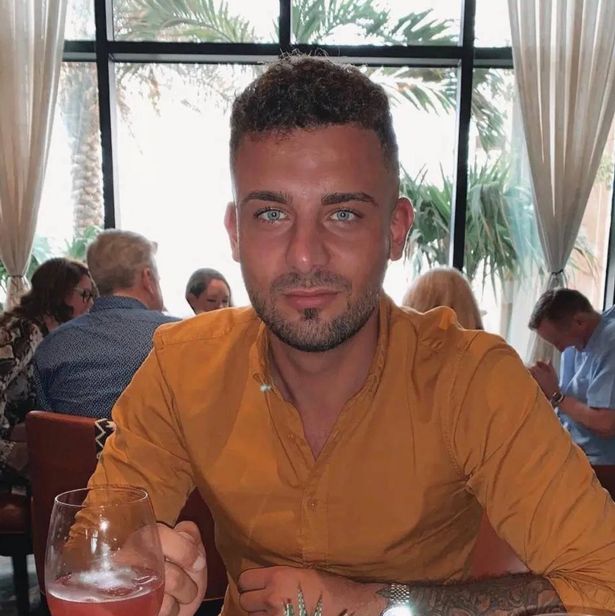 >
>
The article mentions a collision between Watson’s jetski and one piloted by an instructor. Crucially, a passenger on the instructor’s vehicle had jumped off due to the speed just before the impact. This single detail hints at potential problems. Was the instructor operating at a safe speed? Did they adequately assess the passenger’s comfort level? It’s a reminder that proper training and risk assessment are paramount, not only for instructors but for all PWC operators.
There’s also the matter of culpability. The inquest revealed that suspended prison sentences and financial penalties were levied against those “deemed responsible.” What were the precise charges? What actions or omissions led to that determination? Understanding the legal ramifications could highlight areas where liability and accountability are either strong or lacking.
Looking at PWC safety more broadly, this incident touches on several recurrent concerns. One is the accessibility of these machines. Are rental companies adequately vetting users’ experience levels? Are they providing sufficient pre-ride instruction, particularly regarding local regulations and safe operating distances? From personal experience, I’ve seen renters with little to no guidance turned loose on powerful machines – a recipe for disaster.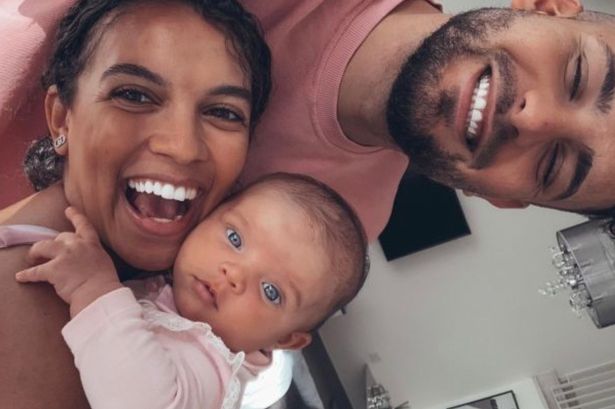 >
>
Another facet is the design and technology of PWCs themselves. While modern jetskis incorporate safety features like speed limiters and kill switches, these are only effective if properly used and maintained. Could further technological advancements, such as proximity sensors or automated braking systems, further mitigate collision risks? The industry should continuously explore these possibilities.
The inquest itself, conducted nearly five years after the event, raises another point. Justice, or at least the formal investigation, can be a protracted process. This delay could impact not only the grieving family but also the ability to implement necessary changes in a timely manner. Expediting such inquiries should be a priority.
Furthermore, the article notes that Watson was an “experienced jetski rider.” This underscores that experience alone isn’t a guarantee of safety. Complacency can set in, or even experienced riders can make errors of judgment. Continuous education and refresher courses could help to reinforce best practices even among seasoned operators.
Beyond formal regulations, a shift in cultural attitude is needed. This includes a greater emphasis on responsible riding, a willingness to call out unsafe behavior, and a stronger sense of shared responsibility among all participants in the water sports environment. This also includes manufacturers and sellers creating incentives for safety-focused practices.
Charlotte Lescott’s heartbreaking testimony, particularly her final words to Ali – “be safe, I love you” – serves as a stark reminder of the human cost of these tragedies. Her advocacy for life insurance highlights the practical consequences families face when the unexpected happens. In the wake of such a loss, it’s vital to examine not just the immediate circumstances but also the broader systemic issues that contribute to these risks.
While this specific event occurred in Dubai, its implications resonate globally, especially in areas with thriving water sports industries. Preventing future tragedies requires a multifaceted approach encompassing stronger regulations, enhanced training, technological innovation, and a deeper commitment to safety at all levels. Industry stakeholders, regulatory bodies, and individual operators all shoulder this responsibility. We need to ask if reactive apologies are actually preventative measures for others who choose to participate in similar activities.

![[post_title]](https://samony.com.ng/wp-content/uploads/2025/12/1764955514_World-Cup-2026-draw-live-England-Scotland-and-hosts-USA-300x200.jpg?lm=6933157E "2026 World Cup Draw: Geopolitics and Growing Pains")
![[post_title]](https://samony.com.ng/wp-content/uploads/2025/12/Pressure-growing-on-Pete-Hegseth-as-GOP-and-Democrats-unite-300x200.jpg?lm=69331383 "Hegseth Under Fire: War Crime Accusations or Political Hit Job?")
![[post_title]](https://samony.com.ng/wp-content/uploads/2025/12/What-I-Told-My-Daughter-When-She-Said-She-Wants.webp "Beyond the Aisle: Redefining Wedding Value in a Changing Landscape")
![[post_title]](https://samony.com.ng/wp-content/uploads/2025/12/1764955183_Martin-Kemp-tells-how-wife-Shirlie-told-him-she-loved-300x158.jpg?lm=69331432 "The Enduring Power of “I Love You”: Authenticity, Family, and the Evolving Celebrity Landscape")



![[post_title]](https://samony.com.ng/wp-content/uploads/2025/12/Spurs-U19s-vs-Slavia-Prague-U19s-UEFA-Youth-League.jpg?lm=69331A85 "Tottenham Hotspur U19s vs. Slavia Prague U19s: How to Get Free Tickets")
![[post_title]](https://samony.com.ng/wp-content/uploads/2025/12/Landlord-dumps-kidnapped-tenants-belongings-outside-after-months-of-waiting-1024x512.jpg?lm=69331AFD "Missing Tenant, Landlord’s Loss: Has Compassion Left the Rental Market?")
![[post_title]](https://samony.com.ng/wp-content/uploads/2025/12/1764955514_World-Cup-2026-draw-live-England-Scotland-and-hosts-USA-1024x683.jpg?lm=6933157E "2026 World Cup Draw: Geopolitics and Growing Pains")
![[post_title]](https://samony.com.ng/wp-content/uploads/2025/12/Pressure-growing-on-Pete-Hegseth-as-GOP-and-Democrats-unite-1024x683.jpg?lm=69331388 "Hegseth Under Fire: War Crime Accusations or Political Hit Job?")
