

D’Tigers World Cup Qualifying: A Critical Look Beyond the Tunisia Loss
Nigeria’s D’Tigers suffered a tough overtime loss against Tunisia in the 2027 FIBA World Cup qualifiers. The team captain, Ike Nwamu, pointed to disorganization and lack of cohesion as main culprits. He suggested limited preparation time hampered on-court understanding. But is it just that simple?
Nwamu cited turnovers, a recurring problem from AfroBasket qualifiers, as another significant factor. Sure, fewer mistakes would help. Yet, something deeper seems to be at play. The captain speaks of a “new” team still trying to gel. This prompts a question: Why the constant churn? >
>
Frequent roster changes are nothing new in international basketball. But for Nigeria, it feels like a perpetual rebuild. Consider the talent this nation produces. Shouldn’t the program have more stability by now? Perhaps the issue is strategic player development. Or possibly, proper investment at the grassroots level.
It’s worth noting that Nigeria’s basketball ambitions are high. They’ve had flashes of brilliance, moments that signal potential world-class status. Recall their stunning upset victory against Team USA before the Tokyo Olympics. That showed that they can compete with the best. That promise makes recent stumbles all the more frustrating.
The claim is that the team will improve with more time together. That sounds reasonable on the surface. Still, throwing players together right before crucial qualifiers isn’t a recipe for success. It suggests a lack of long-term planning.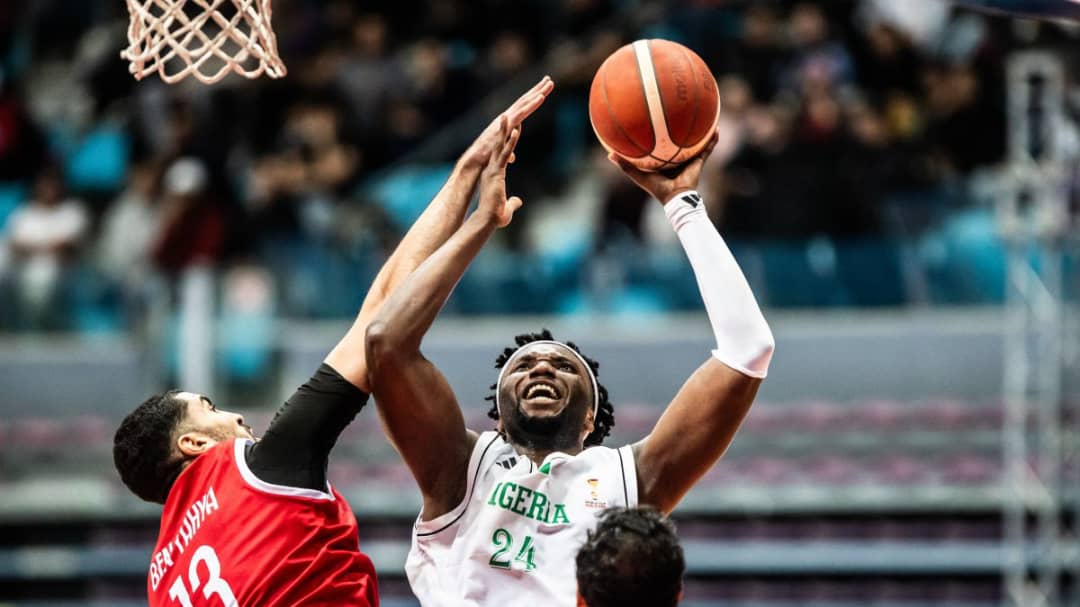 >
>
This challenge extends beyond individual mistakes or tactical errors. It raises fundamental questions about the structure and management of the D’Tigers program. Are they truly maximizing their resources? Are they building a sustainable system, or just relying on sporadic bursts of talent?
Looking ahead, D’Tigers face Guinea in their next game. A win is crucial to keep their World Cup hopes alive. But even a victory won’t solve the underlying problems.
I’ve seen this cycle before – a loss, excuses about chemistry, followed by a desperate push for the next game. It rarely translates into sustained success.
The real task is to foster a consistent, well-supported program. That means identifying and nurturing talent early. It also means providing coaches with the resources and stability to build a cohesive team over time.
Consider the success stories in international basketball. Countries like Spain, Argentina, and even Tunisia, emphasize continuity and system development. They don’t just rely on individual brilliance.
Given these facts, D’Tigers need more than just “time to bond.” They need a comprehensive strategy. One that prioritizes long-term development over short-term fixes. One that instills a culture of excellence and accountability.
This involves serious introspection. It demands honest assessment of what’s working and, more importantly, what’s not. Nigeria has the potential to be a major force in global basketball. But potential alone isn’t enough.
The federation must address the systemic issues hindering the team’s progress. This could include revamping player selection processes. It might mean increasing investment in youth development programs. Or even, hiring experienced personnel with a proven track record of building successful basketball programs.
It’s tempting to dismiss the Tunisia loss as just one bad game. Yet, it’s symptomatic of a larger problem. It serves as a wake-up call. D’Tigers have the talent. They need the structure, the support, and the vision to truly compete on the world stage. If they approach the game with the right mentality, they will have a fighting chance in future competitions.

![[post_title]](https://samony.com.ng/wp-content/uploads/2025/11/1764373144_Chase-Status-Andy-C-and-Hybrid-Minds-front-Europes-300x158.jpg?lm=692A3299 "Rhythm + Waves: Festival Future Under Scrutiny")
![[post_title]](https://samony.com.ng/wp-content/uploads/2025/11/1764373564_Ebanie-Bridges-wont-stop-showing-off-massive-boobs-as-boxer-300x158.jpg?lm=692A343D "Owning My Image: Why Women’s Boxing Needs Unapologetic Authenticity")
![[post_title]](https://samony.com.ng/wp-content/uploads/2025/11/1764373227_Win-a-Christmas-Hamper-with-Moonpig-300x158.jpg?lm=692A32ED "Moonpig’s Christmas Hamper Giveaway: Is It Just Festive Fun or Clever Marketing?")
![[post_title]](https://samony.com.ng/wp-content/uploads/2025/11/1764373327_Sydney-Sweeneys-boobs-got-bigger-in-stunning-transformation-into-boxing-300x158.jpg?lm=692A3351 "Sydney Sweeney’s Christy Martin: A Knockout Transformation, Inside and Out")

![[post_title]](https://samony.com.ng/wp-content/uploads/2025/11/1764372995_Marjorie-Taylor-Greene-appears-to-send-cryptic-message-to-Trump-1024x683.jpg?lm=692A3206 "MTG’s Warning to Trump: Is the GOP Cracking Up Now?")
![[post_title]](https://samony.com.ng/wp-content/uploads/2025/11/1764373026_Naked-thug-on-two-day-cocaine-and-booze-bender-urinated-on.j-1024x538.jpeg?lm=692A3225 "Rhys Hicks: Substance, Society, and Sanity")
![[post_title]](https://samony.com.ng/wp-content/uploads/2025/11/1764373144_Chase-Status-Andy-C-and-Hybrid-Minds-front-Europes-1024x538.jpg?lm=692A3299 "Rhythm + Waves: Festival Future Under Scrutiny")
![[post_title]](https://samony.com.ng/wp-content/uploads/2025/11/1764373564_Ebanie-Bridges-wont-stop-showing-off-massive-boobs-as-boxer-1024x538.jpg?lm=692A343E "Owning My Image: Why Women’s Boxing Needs Unapologetic Authenticity")
