

Trump’s Drug Price Claims Draw Skepticism: A Look at Pharmaceutical Industry Developments
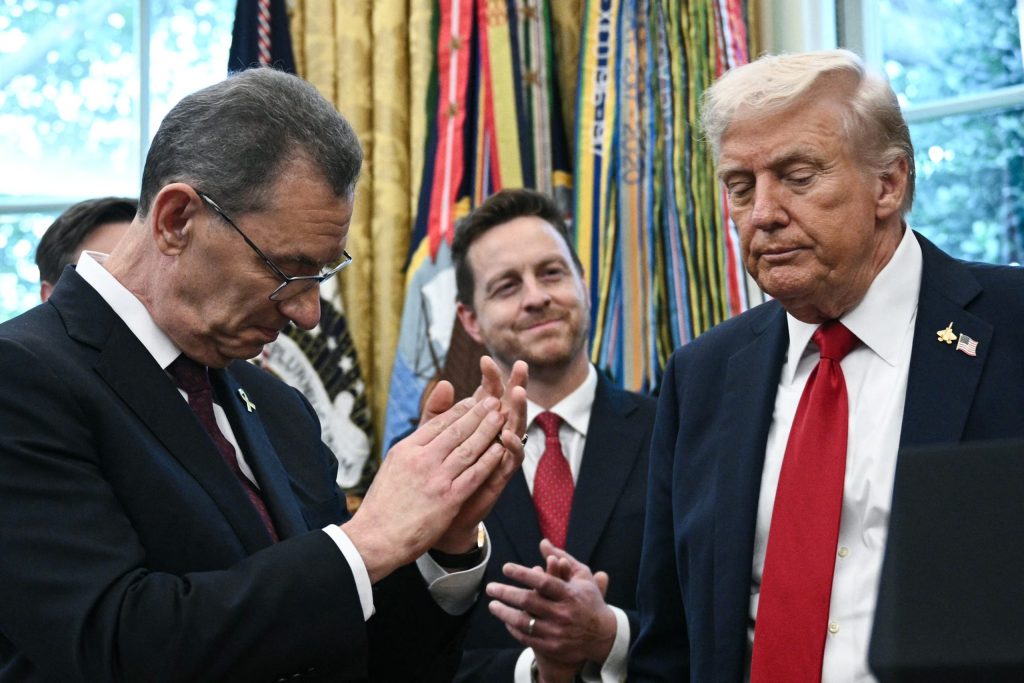
Donald Trump’s recent claim of a “700%” drop in drug prices drew immediate fire, particularly from the financial social media platform Stocktwits. Math aside, it raises questions about the real progress, or lack thereof, in lowering prescription costs. I’ve been watching this space for a while, and pronouncements like these always come with a healthy dose of skepticism.
Trump’s assertion stems from his administration’s “favored nations” approach. The idea was to bring U.S. drug prices closer to those in other developed countries, extracting better deals from pharmaceutical giants. He cited agreements with companies like Pfizer and AstraZeneca as evidence of success. While these companies did agree to certain concessions, the real-world impact remains debatable.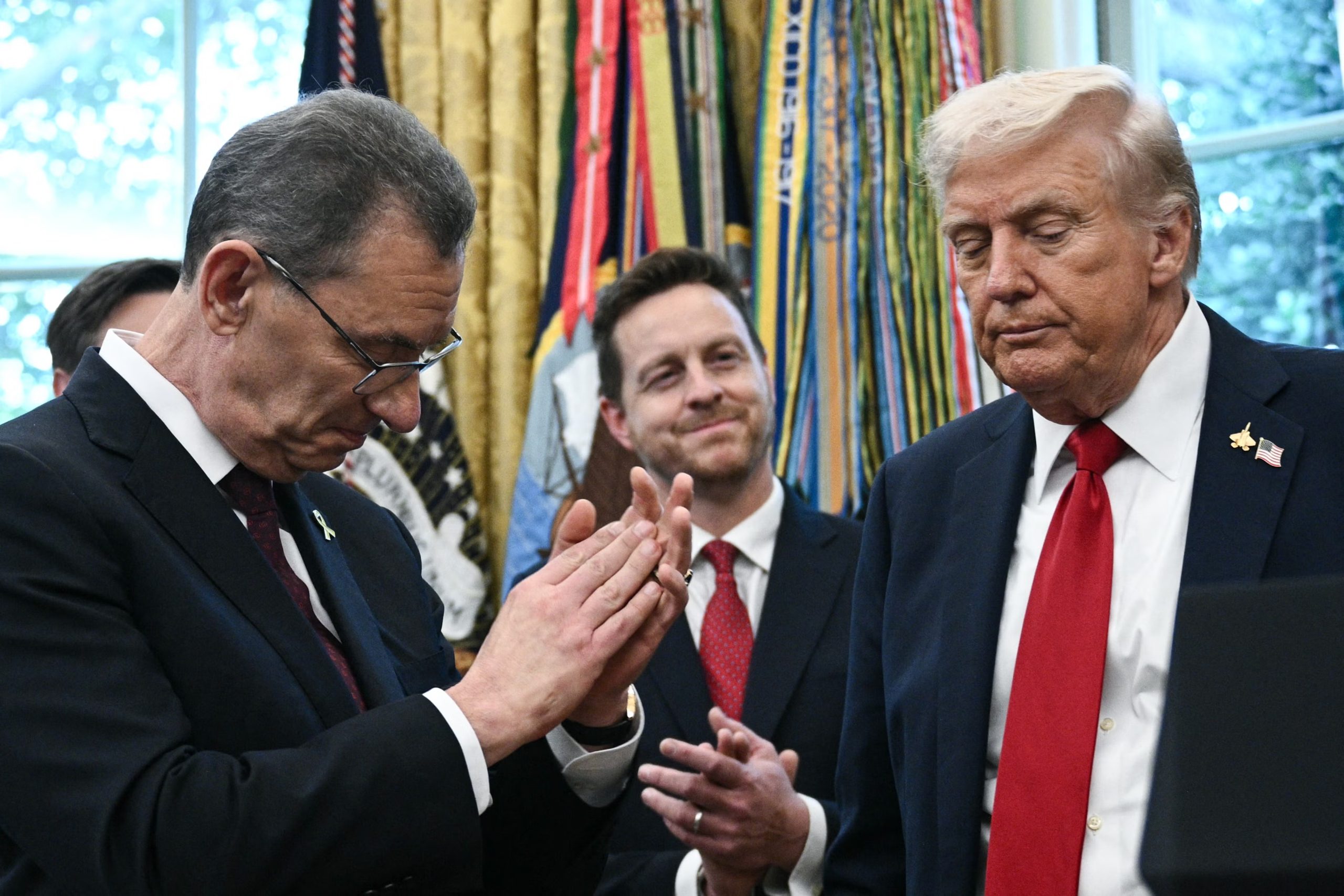 >
>
It’s easy to get caught up in big numbers. Trump’s pronouncements need closer inspection. A claim of prices dropping by such a margin is an overstatement, at best.
Stocktwits, co-founded by Howard Linzon, wasn’t shy about calling out the alleged mathematical inaccuracies. Linzon himself has been a vocal critic of Trump. This adds another layer to the story. Is the criticism solely about accuracy, or are there other motivations at play? You have to wonder.
The reality, as always, exists somewhere in the middle. The Trump administration did secure some deals aimed at lowering drug costs, particularly for those on Medicaid. Pfizer, for example, acknowledged a three-year grace period regarding tariffs in exchange for investment in U.S. manufacturing and a “balanced global pricing approach.” But, this is where complexity emerges.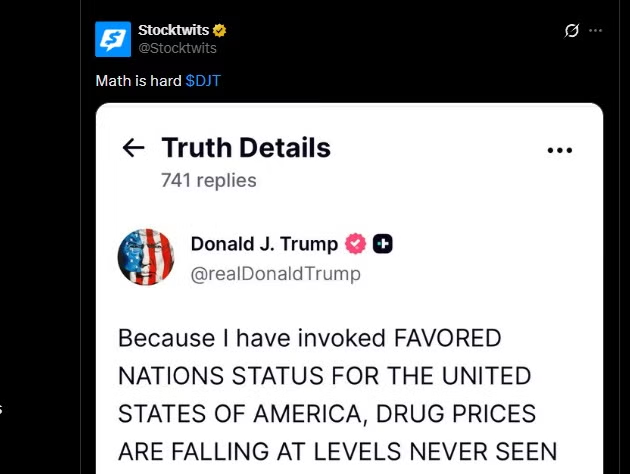 >
>
These deals often involve trade-offs. Companies might receive exemptions from tariffs or other regulatory burdens in exchange for price concessions. The long-term consequences of these arrangements deserve attention. It’s about more than just a headline price cut.
Furthermore, the focus often rests on specific medications or segments of the population. Broad claims of widespread price reductions don’t always hold water. The devil’s in the details, as always. What medications are actually seeing price drops? How many people are truly benefiting?
The expiration of Obamacare subsidies adds another challenge to the U.S. healthcare landscape. Absent Congressional action, millions of Americans could face significant increases in their monthly premiums in 2026. Those “savings” touted from pharmaceutical deals may quickly be swallowed up by rising insurance costs.
The White House’s attempts to extend these subsidies hit a wall of Republican resistance. This stalemate illustrates the political complexities involved in healthcare reform. Partisan gridlock often impedes meaningful progress.
The approaching deadline for subsidy renewals is looming, with potentially dire consequences for millions. This deadline creates a volatile situation in the healthcare market. This could lead to political battles in the run-up to the midterm elections.
These developments in the pharmaceutical industry, and the broader healthcare system, highlight the need for careful scrutiny and balanced reporting. Simplistic claims of victory should be viewed with a critical eye. Real progress requires sustained effort, comprehensive solutions, and an acknowledgement of the inherent trade-offs.
It is worth noting that pharmaceutical companies argue that high drug prices are necessary to fund research and development of new medications. The debate over drug pricing is a complex interplay between innovation, affordability, and access. Striking a balance that serves the interests of all stakeholders continues to be a challenge.
It’s a cyclical pattern I’ve observed. A politician announces a breakthrough, the media reports it, and then the slow, grinding reality sets in. Change is tough.
The impact of policies like the “favored nations” approach remain to be seen. We will see whether it can create meaningful and lasting change in the pharmaceutical industry. For now, a dose of healthy skepticism is warranted. The real winners and losers in this complex game are yet to be determined.

![[post_title]](https://samony.com.ng/wp-content/uploads/2025/12/Agbakoba-writes-minister-recommends-implementation-frameworks.webp-300x225.webp?lm=692CDF01 "Nigeria’s Marine Economy: A Trillion-Naira Dream?")
![[post_title]](https://samony.com.ng/wp-content/uploads/2025/12/1764547830_Gov-Radda-commissions-Jargaba-Primary-Health-Facility-300x200.jpeg?lm=692CDCFA "Katsina Healthcare: Progress or Promise? Analyzing New Investments")

![[post_title]](https://samony.com.ng/wp-content/uploads/2025/12/1764546440_Mothers-anguish-after-her-three-young-children-die-in-Thanksgiving-300x200.png?lm=692CD78C "Thanksgiving Nightmare: Could This Fire Tragedy Have Been Prevented?")
![[post_title]](https://samony.com.ng/wp-content/uploads/2025/12/Insecurity-Bandits-unleash-terror-in-Kogi-Kano-Sokoto-Kwara-300x148.png?lm=692CD7C8 "Nigeria Under Siege: Bandits’ Bold Attacks Demand Urgent Action")

![[post_title]](https://samony.com.ng/wp-content/uploads/2025/12/Our-favorite-laptops-from-Apple-Razer-HP-and-others-are-1024x532.jpg?lm=692CDBD9 "Cyber Monday Laptop Deals: Separating Hype from Hardware Value")
![[post_title]](https://samony.com.ng/wp-content/uploads/2025/12/Paramilitary-Recruitment-List-to-Be-Released-December-1.jpg?lm=692CDE6E "Nigeria Paramilitary Recruitment 2025: Selection Phase Begins")
![[post_title]](https://samony.com.ng/wp-content/uploads/2025/12/Agbakoba-writes-minister-recommends-implementation-frameworks.webp-1024x768.webp?lm=692CDF01 "Nigeria’s Marine Economy: A Trillion-Naira Dream?")
