

![[post_title]](https://samony.com.ng/wp-content/uploads/2025/12/1764563741_Do2dtun-accuses-US-embassy-of-enabling-ex-wife-to-relocate-kids-1024x683.jpg?lm=692D1B1F)
Do2dtun Accuses US Embassy of Aiding Child Relocation: A Critical Analysis
Nigerian media personality, OAP Dotun, has ignited a firestorm, publicly accusing the U.S. Embassy in Nigeria of enabling his ex-wife, Taiwo Oyebanjo, to relocate their children to the United States without his consent. A complex custody battle sits at the heart of this very public dispute. This is not simply a celebrity squabble; it raises some thorny questions about international law, parental rights, and the power of diplomatic institutions.
Dotun claims the embassy bypassed established legal procedures and disregarded a standing court order that restricted international travel for the children without his express written permission. He alleges the embassy issued fresh U.S. passports to his children, who are U.S. citizens by birth, neglecting to notify him or seek the required consent. These accusations point towards either a serious lapse in protocol or, as Dotun suggests, a deliberate act of complicity. He directly accuses the US embassy of child abduction.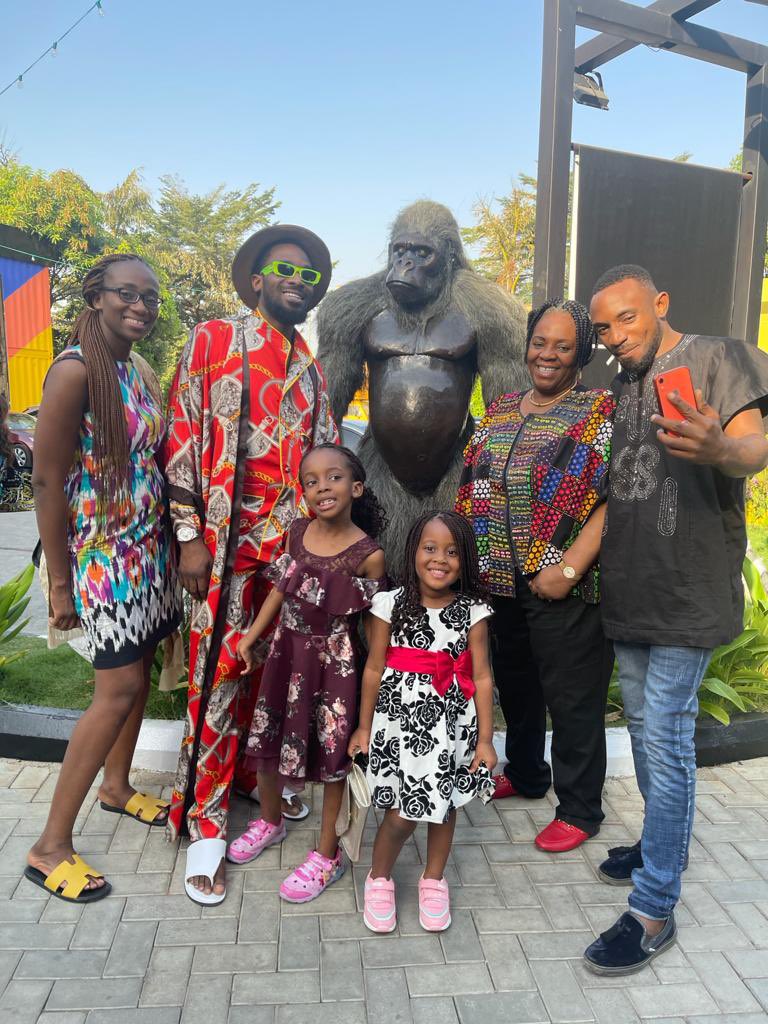 >
>
The accusations are weighty, alleging a “compromised and biased process” involving forgery or procedural manipulation. If Dotun’s narrative holds water, it suggests a troubling disregard for Nigerian legal processes and a potential overreach by the U.S. Embassy. It also begs the question: What due diligence did the embassy perform before issuing those passports?
Child custody cases are rarely straightforward, often mired in emotional complexities and conflicting perspectives. In this instance, the added layer of international involvement elevates the stakes. The crux of Dotun’s grievance centers on the alleged violation of his parental rights and the integrity of the Nigerian court system. He feels the embassy’s actions have transformed a domestic dispute into an international incident.
It’s worth asking: Is this an isolated incident, or does it point to a systemic issue with how embassies handle such sensitive cases involving dual citizenship and international custody disputes? Dotun claims he maintained silence for three years, finally choosing to speak out. Why now? What triggered this public airing of grievances? >
>
The silence from the U.S. Embassy is deafening. A public response would be welcome, offering clarity and potentially addressing the serious accusations. Without their perspective, we only have one side of the story, a situation that makes a fair assessment impossible.
It is important to bear in mind that U.S. law and policy may prioritize the rights of U.S. citizen children to travel, even when parental disputes exist. The embassy might argue they were simply acting to uphold the children’s rights as U.S. citizens. This legal interpretation does not invalidate Dotun’s anguish or diminish the significance of the alleged procedural oversights.
Given these facts, the role of dual citizenship needs close attention. Children with dual citizenship often find themselves at the center of such international custody battles. How can legal frameworks better protect the rights of both parents while prioritizing the child’s welfare in these convoluted scenarios?
This case throws up the complexity of navigating different legal systems. A Nigerian court order exists, and yet the U.S. Embassy seemingly acted in a way that potentially undermined it. How do international bodies navigate such conflicting legal directives, and what mechanisms exist for resolving such clashes?
What is interesting, is that the Nigerian legal system recognizes joint custody, and Dotun alleges he had been actively prevented from seeing his children. He insists he holds the original passports, suggesting the court mandated his consent for travel. The embassy’s decision to issue new passports seemingly ignores these conditions.
The internet has, undeniably, become a key battlefield for personal disputes. Dotun’s decision to publicize his grievances on social media indicates the increasing reliance on public pressure to influence outcomes. Is this a sign of eroding trust in formal legal channels?
It’s worth noting that accusations of forged documents in custody battles are unfortunately common. Dotun raises a crucial point about the need for rigorous verification processes. How can embassies fortify their systems to prevent manipulation and ensure the authenticity of submitted documents in such sensitive situations?
The lack of transparency in the U.S. Embassy’s actions is disturbing. Dotun alleges a disregard for due process and accuses former U.S. Consul-General Mary Beth Leonard of overseeing a “compromised” procedure. These are serious claims that necessitate independent scrutiny.
Regardless of the legal technicalities, the core issue is the well-being of the children. They are caught in the crossfire of a bitter parental dispute, further complicated by international dimensions. One hopes that their best interests remain paramount as this situation unfolds.
The silence from official channels breeds speculation and mistrust. Whether the U.S. Embassy chooses to address these allegations publicly or not, the questions raised by Dotun’s accusations require careful consideration. The case underscores the need for greater clarity, transparency, and inter-agency cooperation in resolving international child custody disputes, which will ultimately protect the rights of all involved.


![[post_title]](https://samony.com.ng/wp-content/uploads/2025/12/1764561601_Bandits-abduct-pastor-wife-parishioners-in-Kogi-300x124.jpg?lm=692D12C3 "Nigeria’s Banditry Crisis: From Reactive Measures to Root Cause Solutions")
![[post_title]](https://samony.com.ng/wp-content/uploads/2025/12/Here-are-50-standout-deals-under-100-were-eyeing-for-300x156.jpg?lm=692D16FB "Here are 50 standout deals under $100 we’re eyeing for Cyber Monday")
![[post_title]](https://samony.com.ng/wp-content/uploads/2025/12/Australias-cervical-cancer-breakthrough-faces-major-challenge.jpg_s1024x1024wisk20csnB8Q5F6NUt2HSyRp-300x148.jpeg?lm=692D17A3 "Australia’s cervical cancer breakthrough faces major challenge")
![[post_title]](https://samony.com.ng/wp-content/uploads/2025/12/1764561478_Lisa-Riley-Im-A-Celeb-moment-leaves-fellow-Emmerdale-star-300x158.jpg?lm=692D1249 "Lisa Riley I’m A Celeb moment leaves fellow Emmerdale star Dominic Blunt heartbroken")
![[post_title]](https://samony.com.ng/wp-content/uploads/2025/12/1764559998_EFCC-disowns-Peter-Okoyes-800k-fraud-claim-against-brothers-Jude-300x169.png?lm=692D0C81 "EFCC Casts Doubt on Peter Okoye’s $800k P-Square Fraud Claim")


![[post_title]](https://samony.com.ng/wp-content/uploads/2025/12/1764561601_Bandits-abduct-pastor-wife-parishioners-in-Kogi-1024x422.jpg?lm=692D12C4 "Nigeria’s Banditry Crisis: From Reactive Measures to Root Cause Solutions")
