

Analyzing the Rhetoric: Trump’s Slur and the Ongoing Disability Rights Discourse
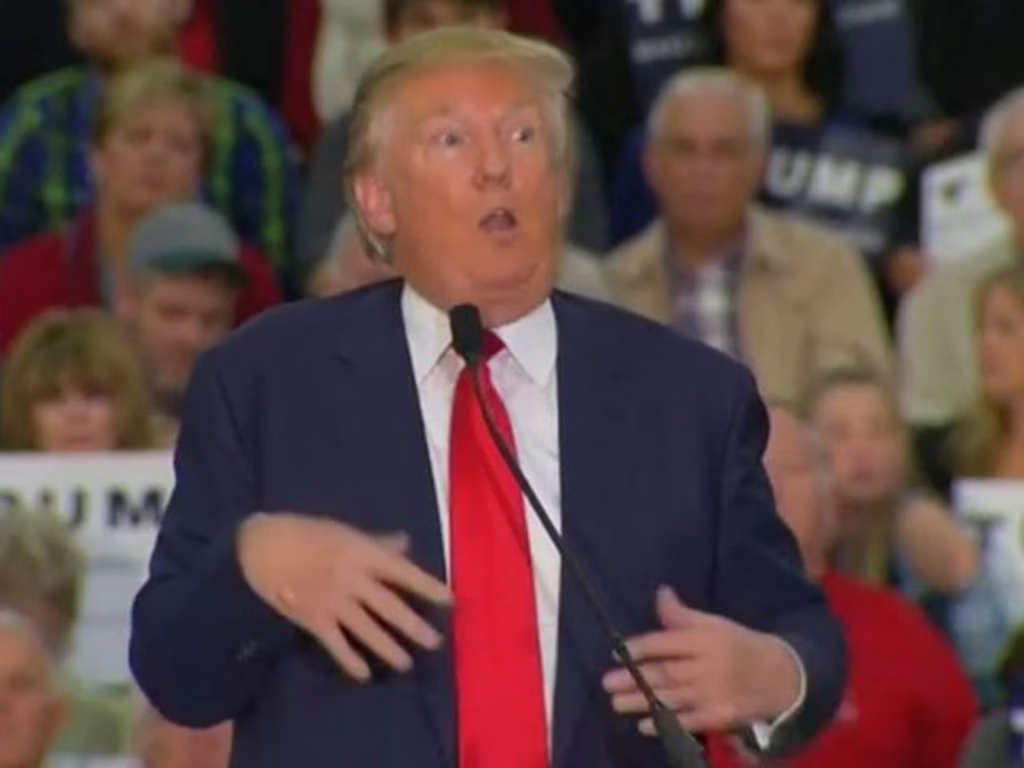
Donald Trump’s recent Thanksgiving rant, where he used a derogatory term aimed at individuals with intellectual disabilities towards Minnesota Governor Tim Walz, sparks a larger conversation. It’s not simply about a single offensive utterance; it reflects a pattern. We’ve seen this type of behavior before.
The Independent’s reporting captures Walz’s measured response, framing Trump’s remarks as an example of “cruelness.” Walz connects this rhetoric to his experience as both a teacher who accommodated students with disabilities and as a parent of a child with learning differences. This grounding in real-world experience, I believe, adds weight to his criticism.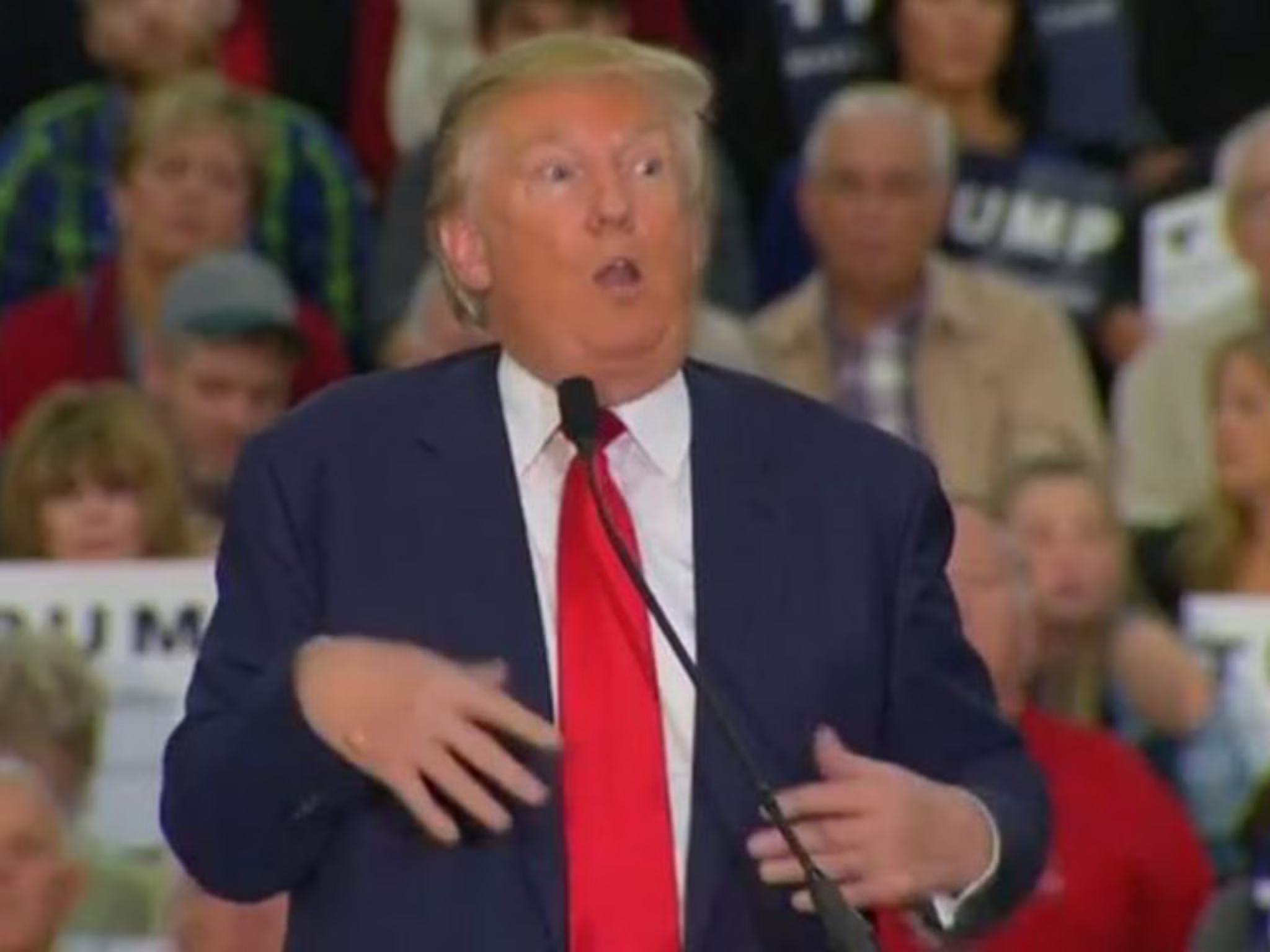 >
>
It’s tempting to dismiss this as just another Trumpian outburst. Yet, the timing is particularly noteworthy, arriving just ahead of the 50th anniversary of the Individuals with Disabilities Education Act (IDEA). This landmark legislation guarantees a “free appropriate public education” for students with disabilities. Consider this juxtaposition: celebrating progress in disability rights while simultaneously witnessing the resurgence of demeaning language at the highest levels of political discourse.
Trump’s history on this front warrants attention. Remember his infamous mockery of New York Times reporter Serge Kovaleski, who has arthrogryposis? Such incidents aren’t isolated; they illustrate a consistent disregard for individuals with disabilities.
One must also consider the actions of the Trump administration during its tenure. While the article mentions the dismantling of most of the staff at the Office of Special Education and Rehabilitative Services during a government shutdown (though they were later reinstated), it suggests a potential disconnect between rhetoric and policy regarding disability rights. This deserves further scrutiny. Did those staffing changes impact the implementation of IDEA or other disability-related programs? Answering that would give us a fuller picture.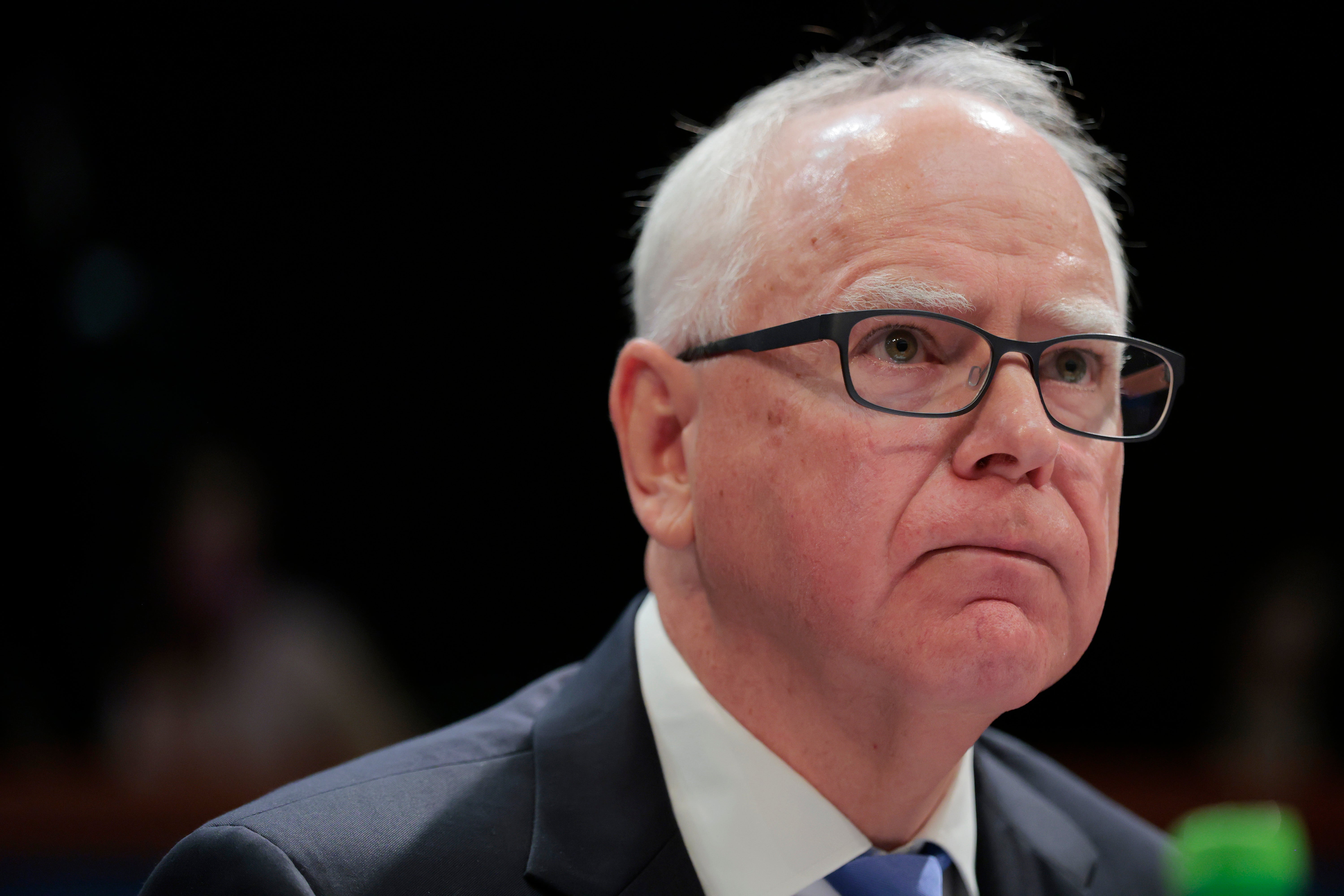 >
>
Walz’s reaction, including his call for Trump to release his MRI results, reveals the increasingly personalized nature of political attacks. It’s no longer just about policy differences; it’s about questioning a person’s mental fitness. This, obviously, brings its own set of ethical concerns.
Still, the question of “policing language,” as Walz addresses it, is something to think about. He acknowledges the right to use offensive language but stresses the moral imperative not to. This isn’t about censorship, he asserts; it’s about recognizing the harmful impact of such words on a broader community. That said, some might view this as a subtle shift in the acceptable boundaries of public discourse, where certain terms, once commonplace, are now rightfully condemned.
It’s worth asking if Trump’s comments reflect a deeper societal problem. Do they tap into existing prejudices or anxieties about individuals with disabilities? This is something cultural analysts and sociologists could shed more light on.
Furthermore, the article references Walz’s “cordial approach” to JD Vance during their debate. One must consider how the tone of engagement with political opponents plays into this larger narrative. Is there a way to strongly disagree without resorting to personal attacks or legitimizing hateful rhetoric? This is something political commentators keep grappling with.
Given these facts, the incident transcends a mere political spat. It offers a window into the ongoing struggle for disability rights and the persistent challenges of combating prejudice and discrimination. It highlights how seemingly isolated moments can contribute to a broader climate of intolerance, and, for me, underscores the continued need for advocacy and awareness.
In any case, as someone who’s watched these patterns emerge and re-emerge in various sectors, I’m not surprised, but the need for vigilance remains. How we react to these events—the language we use, the policies we support—will determine the trajectory of disability rights in the years to come. The point is that Trump’s slur is a symptom, not the disease itself. Tackling the underlying attitudes that permit such language to flourish needs continuous effort. We can only hope that the focus on disability rights endures, moving beyond immediate outrage and towards lasting change. The challenge is how to translate the reaction into practical measures.

![[post_title]](https://samony.com.ng/wp-content/uploads/2025/11/BREAKING-I-Saw-The-Aircraft-Of-President-Trump-Land-Somewhere-300x148.jpeg?lm=692CA36E "Bakare’s Vision: Trump, Nigeria’s Tech, and Geopolitics")
![[post_title]](https://samony.com.ng/wp-content/uploads/2025/11/1764533386_Emmerdale-star-couldnt-even-tell-his-wife-Lisa-Riley-was-300x158.jpg?lm=692CA48D "Emmerdale’s Lisa Riley: Jungle Gamble and Reality TV Game")
![[post_title]](https://samony.com.ng/wp-content/uploads/2025/11/My-favorite-snore-blocking-sleepbuds-are-down-to-their-lowest-price.webp-300x156.webp?lm=692CA136 "Sleep Tech Evolves: Are Anker’s Sleep Earbuds a Dream Come True?")
![[post_title]](https://samony.com.ng/wp-content/uploads/2025/11/Praat-mee-op-VP-Ajax-300x200.jpg?lm=692CA2B4 "Deconstructing Ajax-Groningen: Tactics, Pressure, and the Relentless Pursuit of Victory")


![[post_title]](https://samony.com.ng/wp-content/uploads/2025/11/Un-debut-de-semaine-nuageux-avec-des-pluies-annoncees-a-1024x640.jpg?lm=692CAA04 "Lyon’s Damp December: Examining Predictability in Weather Forecasting Trends")
![[post_title]](https://samony.com.ng/wp-content/uploads/2025/11/BREAKING-I-Saw-The-Aircraft-Of-President-Trump-Land-Somewhere.jpeg?lm=692CA36D "Bakare’s Vision: Trump, Nigeria’s Tech, and Geopolitics")
