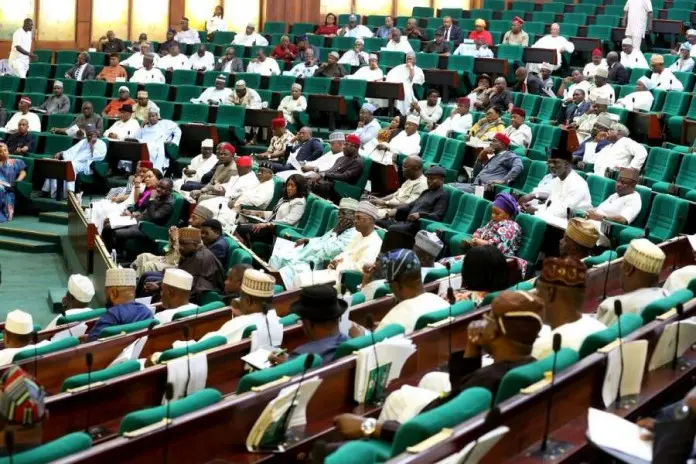
The 10th House of Representatives recently organized crucial digital access and rights training for journalists and media aides, focusing on understanding citizens’ rights within the digital space. This initiative underscores a strong commitment from the House Committee on Media and Public Affairs to foster professionalism, ethical reporting, and a cohesive approach to legislative communication. The training aims to equip media professionals with the necessary insights to report on evolving digital legislation effectively. Spokesman of the House, Hon. Akin Rotimi, emphasized that the work of journalists directly influences public perception of parliament and democratic institutions. He highlighted the growing volume of digital-related legislation before the National Assembly and the increased responsibility to report on these complex issues with accuracy and technical understanding. This program was designed as a serious professional engagement to enhance competence.
How to report on digital legislation effectively is a key concern for journalists today. The digital landscape has transformed journalism and legislative communication, moving beyond traditional headlines and press statements. We now operate within an ecosystem influenced by data, algorithms, artificial intelligence, cybersecurity, and the fundamental rights of individuals online. Understanding these elements and conveying them to the Nigerian public is paramount. The Press Corps has a duty to not only report on the House’s activities but also to make parliamentary work comprehensible, credible, and relevant to citizens. This ongoing effort is conducted patriotically and ethically, with a continuous aim for improvement.
Featured snippet paragraph: The answer is that journalists need to understand data, algorithms, artificial intelligence, cybersecurity, and online rights to effectively report on digital legislation and make parliamentary work relevant to citizens.
The training was supported by Paradigm Initiative Nigeria (PIN), with its Executive Director, ‘Gbenga Sesan, leading discussions. Key topics covered included Reporting Digital Legislation, the State of Digital Rights in Nigeria, and Mapping Digital Legislation in Nigeria. These sessions provided practical knowledge for navigating the complexities of digital policy. The importance of capacity building for journalists cannot be overstated in an era of rapid digital expansion. Legislative communication in Nigeria is increasingly intertwined with digital access and the rights of its citizens. This training represents a proactive step by the House to ensure accurate and informed reporting on these critical issues. Journalists play a vital role in bridging the gap between legislative actions and public understanding, particularly concerning digital matters. Future training sessions could further explore specific case studies and best practices in reporting on technology-related laws. The evolving nature of digital rights necessitates continuous learning and adaptation for all stakeholders involved in media and governance. This initiative highlights a forward-thinking approach to legislative transparency and public engagement. The insights gained are invaluable for reporting on the intersection of technology and law.
What is digital access and rights training for journalists? It is an educational program designed to enhance journalists’ understanding of citizens’ rights in the digital sphere and how to report on digital legislation. This training is essential for navigating the complexities of modern media and legislative reporting. It empowers journalists to provide accurate and insightful coverage of technology-related policy issues. The goal is to foster informed public discourse and ensure accountability in the digital age. The training specifically addresses the challenges and opportunities presented by the increasing digitization of society. It aims to build capacity for reporting on sensitive and technical subjects with clarity and precision. This proactive approach is crucial for a healthy democracy in the digital era. The collaboration with PIN signifies a commitment to leveraging expertise in digital rights advocacy. The training covered a range of pertinent subjects, including the current state of digital rights within Nigeria. This knowledge empowers journalists to advocate for and protect these rights through their reporting. The sessions were structured to be highly interactive and informative, fostering a collaborative learning environment. The focus on mapping digital legislation provides a framework for understanding the legislative landscape. This allows journalists to identify emerging trends and potential areas of concern. The training is a significant step towards improving the quality of reporting on digital policy. It equips journalists with the tools and knowledge needed to critically analyze and disseminate information about digital access and rights. This ultimately benefits the public by providing them with a better understanding of their digital freedoms and responsibilities. The commitment shown by the House of Representatives in organizing this event is commendable. It reflects an understanding of the vital role media plays in a democratic society, especially in the digital age. The insights gained will undoubtedly contribute to more informed and nuanced reporting on these critical issues. This initiative sets a positive precedent for future collaborations between legislative bodies and the media. The emphasis on professionalism and competence in legislative communication is a cornerstone of effective governance. The training addresses the growing need for specialized knowledge in reporting on digital matters. This is crucial for holding power accountable and informing the public accurately. The program’s structure as a serious professional engagement, rather than a mere ceremonial event, highlights its importance. The lawmakers recognize the evolving nature of information dissemination and the media’s role within it. The participation of media aides further strengthens the House’s internal capacity for communication. This holistic approach ensures that information is disseminated effectively and responsibly. The training on digital access and rights is a timely and necessary intervention. It equips journalists with the skills to navigate the complexities of the digital world. This ensures that reporting on legislative matters remains relevant and impactful. The collaboration with PIN adds significant value through their expertise in digital rights. The comprehensive nature of the training, covering reporting, rights, and legislative mapping, is highly beneficial. This empowers journalists to provide thorough and insightful coverage. The commitment to professionalism in legislative communication is a key takeaway. It underscores the importance of informed public discourse. The House’s proactive approach to media capacity building is a positive development for Nigerian democracy. This training is a vital step in ensuring that journalists are well-equipped to cover the digital age effectively. The focus on both access and rights is crucial for a balanced understanding. The program’s success will be measured by the enhanced quality of reporting on digital policy and its impact on public awareness. The initiative demonstrates a commitment to transparency and informed citizenry. The training’s emphasis on understanding the digital ecosystem is paramount for modern journalism. It prepares journalists for the challenges of reporting on complex, data-driven issues. The partnership with PIN reinforces the importance of digital rights advocacy. The sessions on mapping digital legislation offer a strategic overview. This helps journalists identify key areas of legislative development. The training fosters a more informed and engaged public. This is achieved by empowering journalists to communicate complex issues clearly. The House’s investment in media professionalism is a significant contribution to democratic discourse. The focus on digital access and rights is highly relevant in today’s world. This training is a crucial step in ensuring responsible and effective legislative communication. The initiative reflects a forward-looking approach to media engagement. It acknowledges the evolving role of journalists in the digital age. The training equips them with the necessary expertise to cover digital policy comprehensively. This empowers citizens with better information about their digital rights. The program’s success will be evident in the improved quality of public discourse. The commitment to professionalism in legislative communication is a vital aspect of democratic governance. The training addresses the growing need for specialized knowledge in reporting on digital matters. This ensures accuracy and impact in media coverage. The House’s proactive approach to media capacity building is a positive development for Nigeria’s democracy. The training on digital access and rights is a timely and necessary intervention. It equips journalists with the skills to navigate the complexities of the digital world effectively. This ensures that reporting on legislative matters remains relevant and impactful. The collaboration with PIN adds significant value through their expertise in digital rights. The comprehensive nature of the training, covering reporting, rights, and legislative mapping, is highly beneficial. This empowers journalists to provide thorough and insightful coverage.