

Manchester United Drama: Social Media, Team Selection, and Managerial Authority
Manchester United’s season is always a talking point, but recent events surrounding Patrick Dorgu and Ruben Amorim have added a fresh layer of intrigue. The situation centers around a liked social media post, team selection choices, and, ultimately, managerial control.
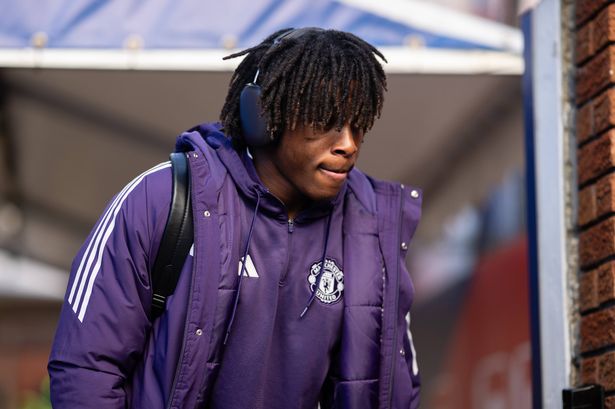
The story goes like this: Dorgu’s Instagram account “liked” a post criticizing Amorim’s tactics, specifically questioning the use of Casemiro and Bruno Fernandes in midfield. Whether Dorgu himself was behind the “like” remains uncertain. Yet, the timing is hard to ignore. Dorgu, a regular starter, found himself on the bench for the Crystal Palace match, despite starting in the previous two games.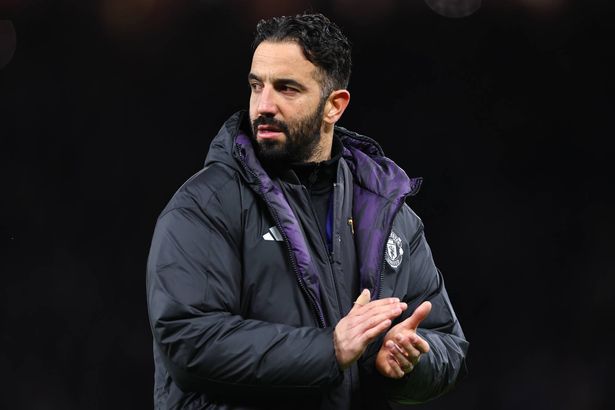 >
>
Amorim’s explanation? It all came down to training performance. He told TNT Sports that his selections reflected what he saw on the training pitch. Maybe it’s true. Perhaps Dorgu’s form genuinely dipped. Still, that social media “like” casts a long shadow.
It’s worth remembering that Amorim publicly stated that Dorgu was struggling with confidence after missing a key chance against Everton. He contrasted Dorgu’s assured performances for his national team with his apparent anxiety when playing for United.
Dorgu, a £25 million signing from Lecce, arrived with considerable expectations. He initially secured a regular spot as a wing-back. However, inconsistent showings saw him benched earlier in the season. He clawed his way back into the starting eleven, but the Everton match, and now this social media episode, seemingly reversed his progress.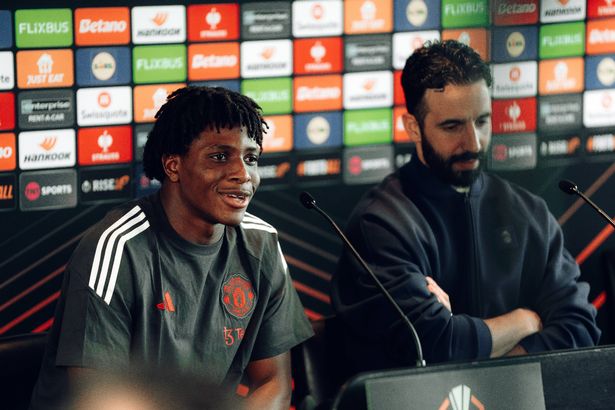 >
>
Now, consider the broader context. Manchester United are currently outside the top spots in the league. Pressure is mounting, and every decision is scrutinized. Amorim needs results, and quickly. Public disagreements, even those manifested through a “like” on social media, undermine his authority.
This situation highlights the power of social media in modern football. Players’ online activity is now a constant source of potential drama. A single click can spark controversy, fuel rumors, and potentially impact team dynamics. This creates a headache for managers, who already grapple with numerous challenges. They must now navigate the digital footprint of their players.
It also shines a spotlight on the delicate balance between man-management and discipline. How does a manager address perceived disloyalty without creating further division? Is benching Dorgu a fair punishment, or does it risk alienating a young player who might already be struggling with confidence? These are not simple questions.
Having observed similar scenarios play out over the years, one thing is clear: perception matters. Whether Amorim benched Dorgu solely based on training form is almost beside the point. The perception is that the “like” influenced the decision. That perception can fester in the dressing room.
To that end, Amorim must carefully manage the narrative. He needs to demonstrate that his decisions are fair and objective, while simultaneously reinforcing his authority. Perhaps a private conversation with Dorgu is in order. Maybe a public show of support.
The truth is, we may never know the full story behind this situation. What we do know is that it underscores the complexities of managing a high-profile football club in the age of social media. It’s a reminder that success on the pitch requires more than just talent and tactics. It requires strong leadership, effective communication, and a keen understanding of human nature.
Ultimately, the most important thing is how United responds to this mini-crisis. Will it galvanize the team, or will it create further friction? The upcoming matches will provide some answers.

![[post_title]](https://samony.com.ng/wp-content/uploads/2025/11/Preview-Pisa-vs-Inter-Milan-prediction-team-news-lineups.net2Fuploads2F20252F102Fimago1067935891-300x171.webp?lm=692C44EE "Inter Milan Faces Tricky Test at Resilient Pisa: Serie A Preview")
![[post_title]](https://samony.com.ng/wp-content/uploads/2025/11/1764508998_Amazon-warehouse-worker-dies-on-the-job-but-family-demand-300x158.jpg?lm=692C4549 "Amazon Warehouse Death: A Question of Safety")
![[post_title]](https://samony.com.ng/wp-content/uploads/2025/11/Isaac-Fayose-criticises-Tinubus-ambassadorial-list-takes-aim-at-Reno-300x150.jpg?lm=692C3EF1 "Nigerian Diplomacy at a Crossroads: Balancing Loyalty and Competence in Ambassadorial Appointments")
![[post_title]](https://samony.com.ng/wp-content/uploads/2025/11/1764506722_Companies-That-Give-Shareholders-Perks-And-Rewards-300x157.png?lm=692C3C65 "Companies are treating shareholders like VIPs with these surprising perks!")

![[post_title]](https://samony.com.ng/wp-content/uploads/2025/11/1764509107_Alleged-lead-poisoning-Ogun-to-conduct-free-lead-test-for-1024x768.jpg?lm=692C45B5 "Ogun State Lead Crisis: ULAB Recycling Under Scrutiny")
![[post_title]](https://samony.com.ng/wp-content/uploads/2025/11/1764509159_Im-A-Celebs-Gillian-McKeith-shares-agonising-hidden-health-battle-1024x538.jpg?lm=692C45EA "Gillian McKeith Reveals Scoliosis Battle: A Story of Resilience")
![[post_title]](https://samony.com.ng/wp-content/uploads/2025/11/Preview-Pisa-vs-Inter-Milan-prediction-team-news-lineups.net2Fuploads2F20252F102Fimago1067935891.webp?lm=692C44ED "Inter Milan Faces Tricky Test at Resilient Pisa: Serie A Preview")
