


Speculation is mounting over potential Democratic presidential nominees for the 2028 election, with a recent CNN panel highlighting several prominent figures and introducing a new contender. While the election remains years away, political analysts are already assessing the landscape and the strengths of various potential candidates.
California Governor Gavin Newsom currently leads the pack in prediction markets, with his odds significantly boosted by his active engagement in national political discourse and successful state-level initiatives. His strategic use of social media to challenge Republican narratives appears to be resonating with a broader electorate.
Other established figures, such as progressive Congresswoman Alexandria Ocasio-Cortez and former Vice President Kamala Harris, are also part of the ongoing discussion. However, their current standing in prediction markets places them behind Newsom, indicating a need for further momentum to solidify their frontrunner status.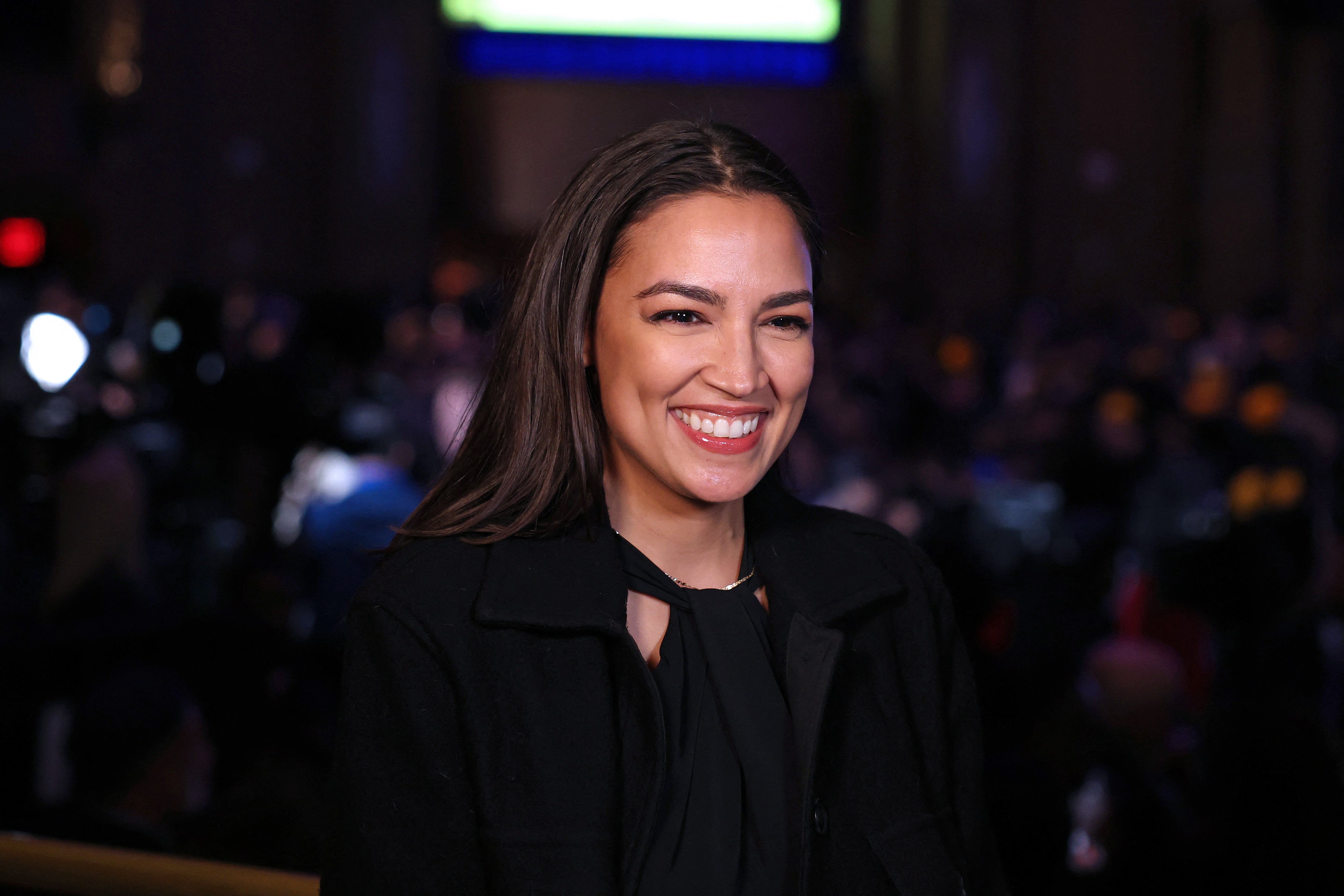
Senator Raphael Warnock of Georgia has emerged as a notable new name in the 2028 Democratic presidential conversation. His political rise, marked by his historic election as Georgia’s first Black senator and his long-standing role as pastor at Atlanta’s Ebenezer Baptist Church, positions him as a compelling figure.
Warnock’s recent public addresses, particularly a speech on spirituality and affordability at the Center for American Progress, have drawn attention. He articulated a vision for addressing national divisions by emphasizing shared humanity and critiquing the divisive rhetoric that he believes is exacerbating societal rifts.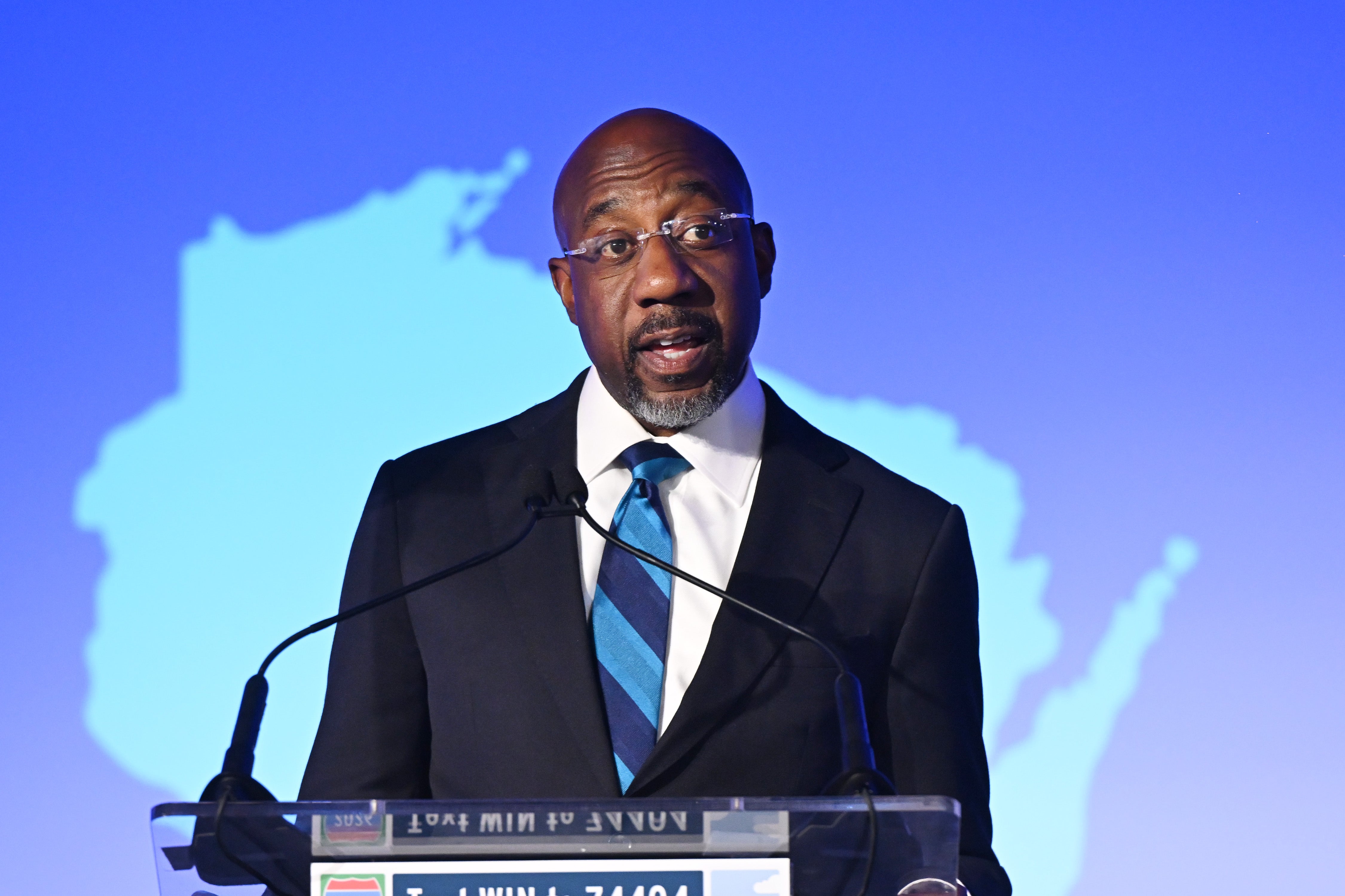
His remarks touched upon the “spiritual heaviness” felt by Americans struggling with economic anxieties and a perceived disconnect from their government. Warnock warned against the temptation to turn on one another, advocating instead for policies that affirm the well-being of all citizens and resist divisive demagoguery.
During his public commentary, Warnock also criticized former President Donald Trump’s economic policies, citing rising costs for healthcare, utilities, and groceries as key concerns for average Americans, even as inflation shows signs of cooling.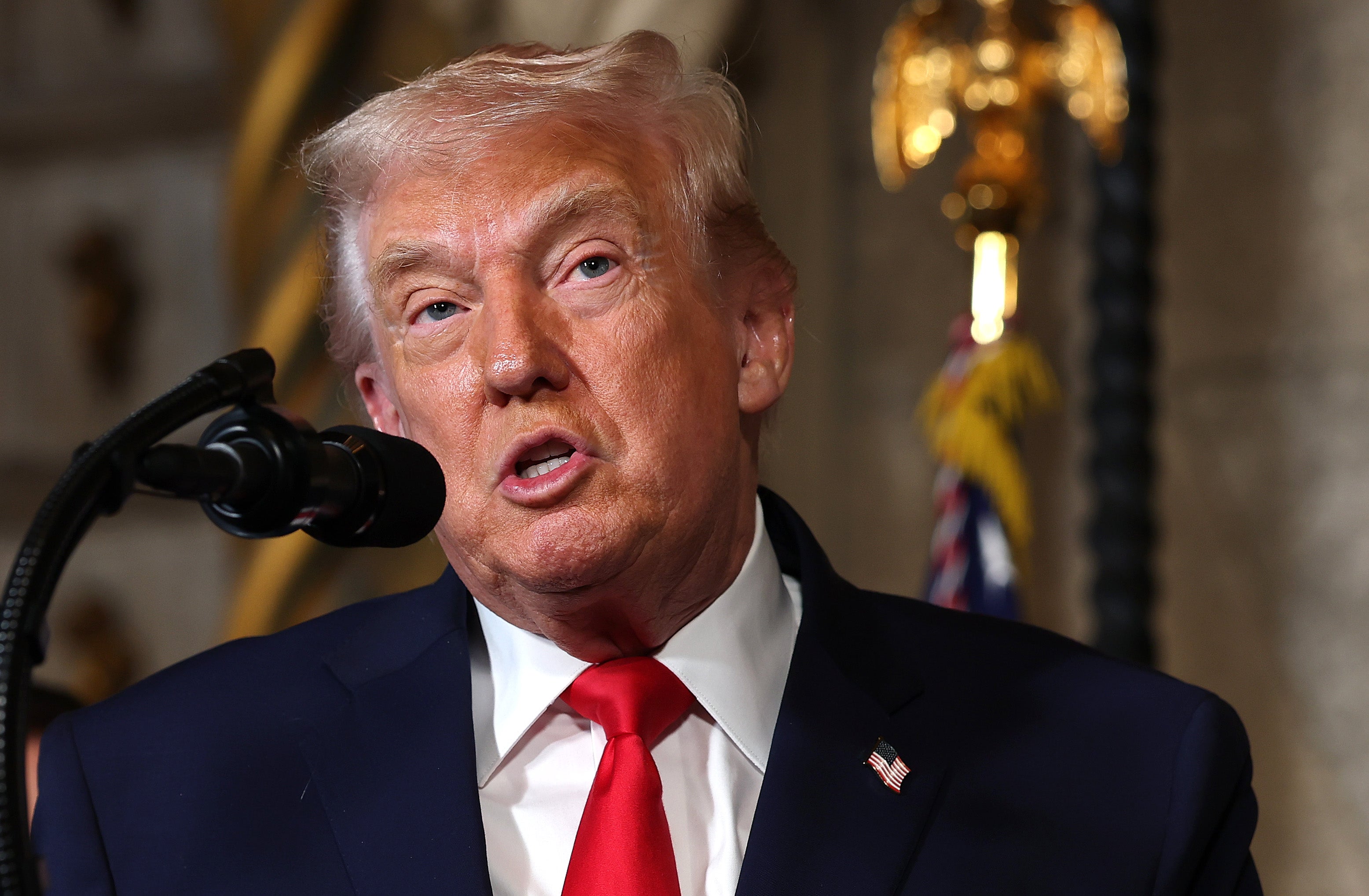
The exchange between Warnock and Trump, which played out publicly on social media platforms, underscored the contrasting approaches to faith and politics. Trump questioned the separation of church and state in response to Warnock’s remarks, while Warnock defended his faith as a unifying force.
Despite the early focus on 2028, Democrats face more immediate challenges, including the upcoming 2026 midterm elections. Securing control of both the Senate and the House of Representatives will be crucial for advancing the party’s agenda and influencing the national political climate leading up to the next presidential contest.
The discussions surrounding potential nominees reflect a broader Democratic strategy of identifying candidates who can appeal to diverse voter bases and articulate a compelling vision for the nation’s future, particularly on economic and social justice issues.
As the political landscape continues to evolve, the prominence of figures like Senator Warnock suggests a Democratic Party looking to cultivate new leaders with strong grassroots connections and a clear message on pressing national concerns.
Ultimately, the path to the 2028 nomination will likely be shaped by a combination of policy achievements, public perception, and the ability of candidates to connect with voters on a personal and ideological level.








