

![[post_title]](https://samony.com.ng/wp-content/uploads/2025/12/1764947782_Trump-hires-a-new-architect-for-his-300M-White-House-1024x683.jpeg?lm=6932F749)
Trump’s White House Ballroom: A Critical Look at Design, Donations, and Political Implications
Donald Trump’s ambitious plan to add a $300 million ballroom to the White House has triggered more than just construction. The project, from architect swaps to funding controversies, offers a fascinating lens through which to examine the intersection of design, politics, and influence.
The initial selection, and subsequent replacement, of James McCrery II, raises eyebrows. We see this pattern often; a smaller firm gets the nod, perhaps for initial concept work, only to be superseded by a larger, more established player when the project scales. Reportedly, disagreements over size and missed deadlines helped usher in Shalom Baranes and his firm. Baranes brings a portfolio of major federal projects to the table, suggesting a move toward someone with proven experience navigating the complexities of government-adjacent construction. It appears to be a pragmatic shift to guarantee the project’s success, or at least its timely completion.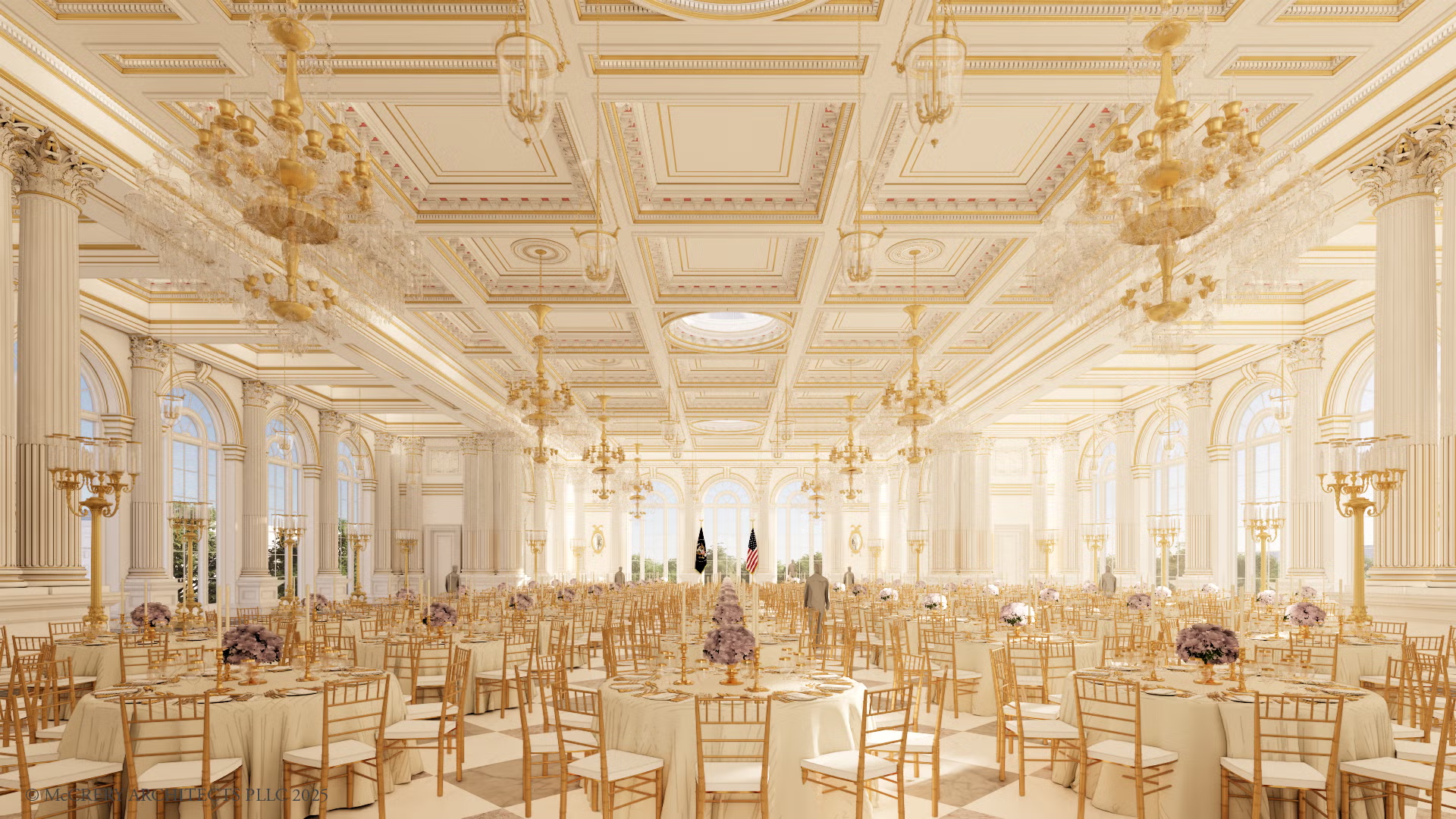 >
>
Still, the narrative around the architect switch doesn’t quite add up. Trump and McCrery supposedly remain on “good terms,” and McCrery is staying on in a consulting role. This could signal a desire to maintain appearances or perhaps indicates the original firm provided valuable groundwork. In any case, the turnover adds a layer of intrigue.
The ballroom’s sheer size, a reported 90,000 square feet, demands attention. It’s not just an addition, it’s a statement. This massive expansion prompts questions about its purpose and long-term impact on the White House’s historical and architectural integrity. This is where design choices become overtly political.
Funding for the ballroom is another hot topic. Private donations, primarily from Big Tech companies like Amazon, Apple, and Google, and crypto firms like Coinbase and Ripple, fuel the project. To that end, this raises concerns about potential conflicts of interest. Are these companies donating out of civic duty, or are they trying to curry favor with a powerful figure? We see this play out constantly in D.C. Lobbying takes on many forms, and a hefty donation to a high-profile project certainly opens doors.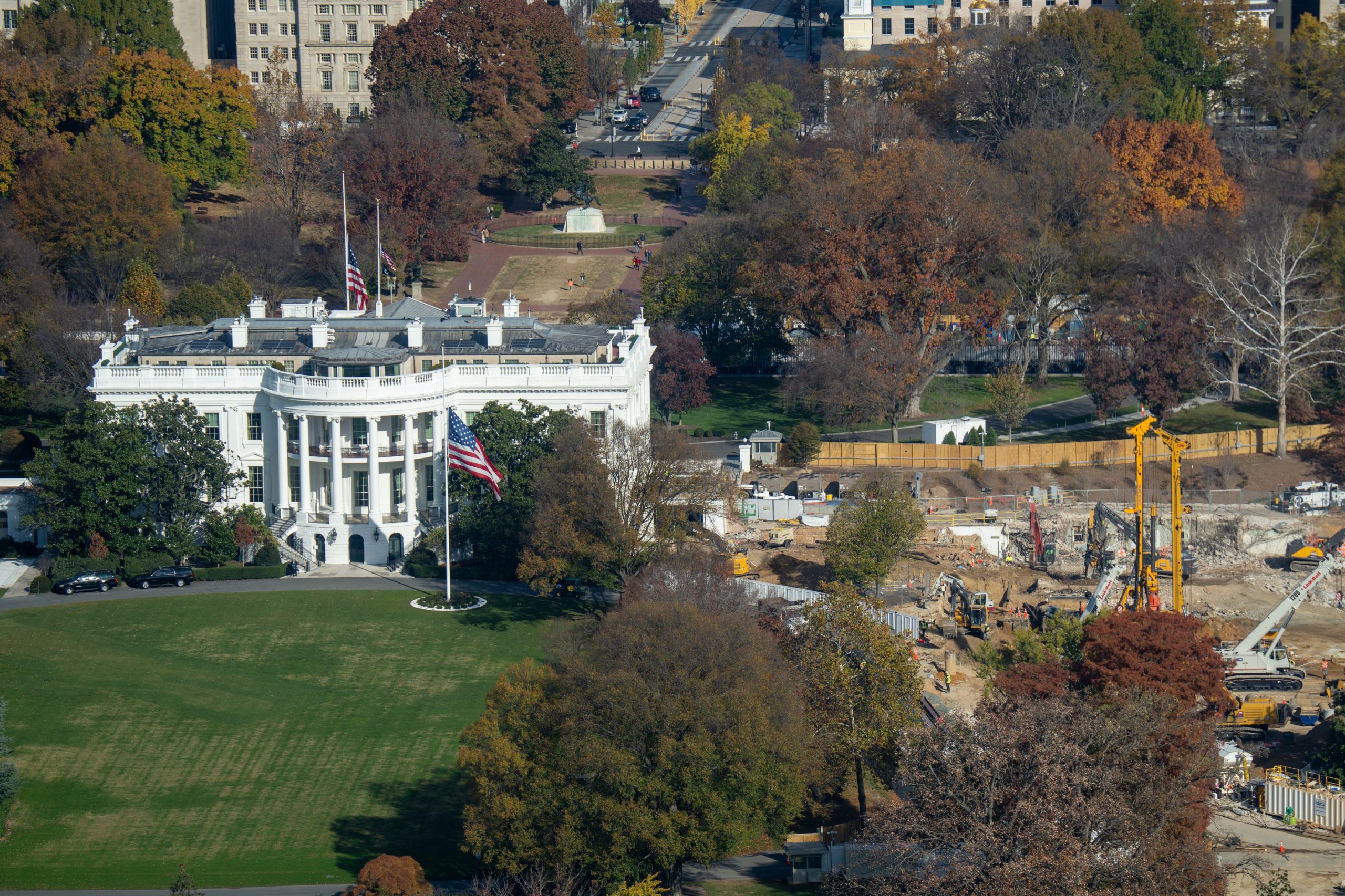 >
>
Democrats are already pushing back, introducing legislation to restrict donations and increase transparency. Senator Blumenthal’s “No Palaces Act,” designed to prevent future presidents from turning the White House into a “personal palace,” reflects the growing unease. It seems like he feels that Trump’s project sets a dangerous precedent. Fair point.
It’s worth noting the National Capital Planning Commission’s role, or perceived lack thereof, in this process. The White House’s claim that the commission only oversees construction, not demolition, highlights a potential loophole in oversight. This challenge begs the question: Should there be stricter regulations governing changes to such a historically significant building?
The destruction of the East Wing to make way for the ballroom also ruffled feathers. This action prompted Blumenthal to introduce his legislation, which would necessitate approvals from the commission for demolition and allow Congress to disapprove of proposed alterations.
Given these facts, this ballroom isn’t just bricks and mortar; it’s a potent symbol. It embodies Trump’s vision, his relationships with powerful industries, and the ongoing debate about the role of money in politics. The design itself, revealed in renderings, hints at opulence and grandeur. Whether it complements or clashes with the existing White House architecture remains a matter of opinion, but there’s no denying it’s a bold statement.
Ultimately, this project offers insights into the often-murky world of Washington, D.C., where power, design, and money intertwine. Trump’s White House ballroom could change the way future presidents approach renovations to the building and also highlight the need for transparent funding and ethical considerations to guard the historical integrity of iconic structures. The long-term consequences remain to be seen. What seems certain, however, is that this ballroom will continue to spark debate long after the last chandelier is hung.
Whether the ballroom becomes a symbol of Trump’s legacy or a cautionary tale about unchecked presidential ambition is a question history will answer. Until then, it remains a fascinating case study in how architecture can become a battleground for political ideologies.
Regardless of its ultimate aesthetic appeal, the ballroom project underscores a fundamental tension: the need to preserve historical landmarks while adapting them to the needs and visions of successive administrations. This tension demands careful consideration and open dialogue, lest we risk eroding the very foundations of our shared heritage.
Perhaps the real legacy of this ballroom won’t be the glittering parties it hosts, but the questions it raises about power, influence, and the future of American symbols. Only time will tell.

![[post_title]](https://samony.com.ng/wp-content/uploads/2025/12/1764947902_Im-A-Celebs-Ruby-Wax-throws-drink-on-ITV-set-300x158.jpg?lm=6932F7BF "Reality TV’s Evolution: “I’m A Celebrity” and the Quest for Authenticity.")


![[post_title]](https://samony.com.ng/wp-content/uploads/2025/12/Caesar-launches-crypto-tax-rail-as-Nigerias-92bn-market-faces-300x171.png?lm=6932F6D7 "Nigeria’s Crypto Tax: Caesar’s Compliance Gambit")

![[post_title]](https://samony.com.ng/wp-content/uploads/2025/12/1764942368_I-burst-cry-Doctor-cries-out-over-tax-deduction-300x157.jpg?lm=6932E223 "Nigeria’s 2026 Tax Reforms: A Bitter Pill for Some?")

![[post_title]](https://samony.com.ng/wp-content/uploads/2025/12/Chinese-Expatriate-Flees-Nigeria-After-Release-From-Kidnappers-Den.jpg?lm=6932F797 "Nigeria: Kidnapping, Investment, and Expatriate Risk")
![[post_title]](https://samony.com.ng/wp-content/uploads/2025/12/1764947902_Im-A-Celebs-Ruby-Wax-throws-drink-on-ITV-set-1024x538.jpg?lm=6932F7BF "Reality TV’s Evolution: “I’m A Celebrity” and the Quest for Authenticity.")
