![[post_title]](https://samony.com.ng/wp-content/uploads/2025/12/1764802454_Tinubu-swears-in-5-perm-secs-chairman-members-of-NPC.jpg?lm=6930BF96)
Analyzing Recent Government Appointments: More Than Just Names on a List
Government appointments often seem like a dry, procedural affair. A president swears in some permanent secretaries, a chairman for the National Population Commission (NPC), and life goes on. Yet, a closer examination of these appointments by President Tinubu reveals more than just the filling of vacant positions. It offers a glimpse into the administration’s priorities, its approach to governance, and potentially, the challenges that lie ahead.
The swearing-in of five permanent secretaries immediately invites questions. Who are these individuals? What experience do they bring? And most importantly, what signals do their appointments send about the direction of key ministries? We see Dr. John Chidiebere Ezeamama, a medical officer with experience at the State House Medical Centre, now stepping into a leadership role. His background, while seemingly specific, also hints at a focus on healthcare or perhaps a greater emphasis on internal efficiency within government operations. It’s worth asking if this signals a shift in focus.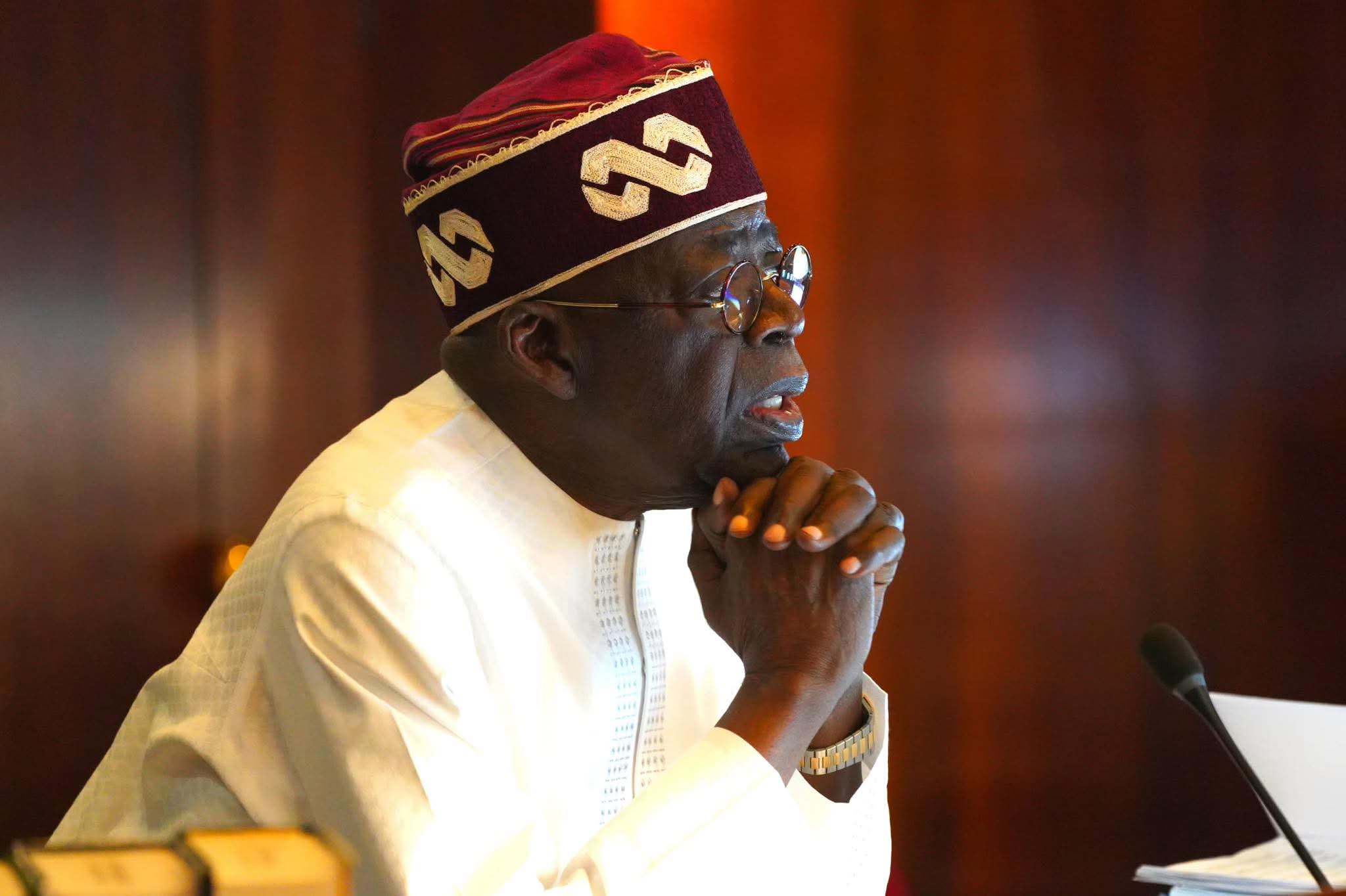 >
>
Then there’s the appointment of Dr. Aminu Yusuf as the chairman of the NPC, alongside board members Dr. Joseph Haruna Kigbu and Tonga Betara Bularafa. The NPC’s role is paramount. They are tasked with conducting accurate and reliable population censuses, a foundation for effective planning and resource allocation. Given Nigeria’s history with census controversies, selecting the right leadership is critical. The commission’s success hinges on public trust, methodological rigor, and an ability to navigate politically sensitive terrains. Whether this new team can deliver remains to be seen.
Beyond the individual profiles, there’s also the geographical distribution to consider. The report mentions representation from Imo, Nasarawa, and other states across different geopolitical zones. This is crucial. Any perceived imbalance can spark accusations of favoritism and undermine national unity. The administration likely aims to project an image of inclusivity, but the reality will be judged by how effectively these appointees serve all Nigerians, irrespective of their origin.
Now, let’s get a bit skeptical. Government appointments are rarely just about merit. Political considerations invariably play a role. Rewarding loyalty, placating influential figures, and maintaining regional balance are all part of the game. While these factors aren’t inherently negative, they can sometimes overshadow competence and expertise. To that end, we must be prepared to hold these appointees accountable for their performance.>
This challenge of aligning political expediency with effective governance is not new. I’ve observed similar patterns in previous administrations, where promising initiatives were derailed by poorly chosen personnel. The key differentiator often lies in the level of oversight and accountability that is enforced. Will this administration prioritize results over patronage? The coming months will provide some clues.
It’s interesting to note that Dr. Ezeamama pursued additional training at prestigious institutions like the Royal College of Obstetricians and Gynaecologists in London and the University of Cape Town. Investing in continuous education should signal a dedication to improving capabilities. This level of training also highlights the increasing demand for international exposure.
The success of these appointments also depends on the broader context. What are the specific mandates given to these individuals? What resources are they allocated? And how will their performance be measured? Without clear objectives and adequate support, even the most qualified appointee can struggle.
Furthermore, consider the timing. These appointments are happening amidst a period of significant economic and social challenges. Nigeria is grappling with inflation, insecurity, and widespread poverty. The performance of these appointees will directly impact the administration’s ability to address these pressing issues. If the government wants to show the country that things are improving, this is an opportunity.
Given these facts, it’s vital to move beyond the surface-level announcements and critically assess the underlying implications. What specific expertise do these appointees bring to their respective roles? What challenges are they likely to face? And how will their performance be evaluated? Answering these questions requires a deeper understanding of the Nigerian political landscape and a willingness to look beyond the official narrative.
We should be seeking leaders who are not only competent but also possess a strong sense of integrity and a commitment to public service. It is hard to miss what happens when they aren’t those things. Their decisions will affect the lives of millions of Nigerians, and their actions will shape the future of the country. Only time will tell if these recent appointments will live up to the expectations.





![[post_title]](https://samony.com.ng/wp-content/uploads/2025/12/NANS-calls-for-increased-subvention-scholarship-for-Ogun-students-300x200.jpg?lm=6930BF6B "Ogun Education Crisis: Are Students’ Pleas Falling on Deaf Ears?")