Analyzing the Evolving Landscape of Sports Media: More Than Just Scores
The sports media landscape continues to morph, and tracking these shifts demands a critical eye. Recent reports, such as one detailing Semi Ajayi’s goal for Hull City, highlight a familiar tension: balancing timely updates with insightful analysis. It’s a challenge every outlet grapples with.
Straight reporting, like that goal announcement, serves a clear purpose. It gets the information out rapidly. Yet, it also raises larger questions. What does Ajayi’s performance mean for his club? How does this affect his national team prospects, especially after the World Cup qualifying setback? It’s more than a score; it’s a narrative unfolding.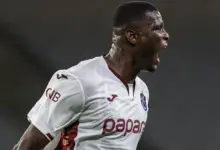 >
>
One can’t help but notice the sheer volume of content now flooding the digital space. Every goal, every game, every player movement generates a flurry of articles, tweets, and videos. This democratization of information has pluses and minuses. On one hand, fans have unprecedented access. On the other, discerning signal from noise becomes incredibly difficult.
We used to rely on established media gatekeepers to curate the best content. Now, algorithms largely dictate what we see. That introduces a filter bubble effect, reinforcing existing biases and potentially overlooking valuable perspectives. Is the race to be first overshadowing the need to be accurate and nuanced?
Consider the evolution of sports data. Years ago, stats were the domain of hardcore fans and specialized analysts. Now, advanced metrics are commonplace, driving everything from player evaluations to betting odds. This data revolution presents opportunities, sure, yet it also carries risks. Over-reliance on numbers can strip away the human element of sports, the intuition, the grit, the unexpected moments that defy quantification.>
It’s worth noting the growing influence of athletes themselves. Social media platforms enable direct communication with fans, bypassing traditional media channels. This newfound control allows athletes to shape their own narratives, address controversies head-on, and build personal brands. This shift requires media outlets to adapt. The old model of dictating the story is crumbling.
The rise of niche sports and esports deserves examination, too. These areas, once relegated to the fringes, are now attracting significant audiences and investment. Traditional media companies struggle to adapt. Some are acquiring smaller, specialized platforms. Others are experimenting with new formats and content strategies. Success hinges on understanding the unique cultures and communities surrounding these sports.
Yet, revenue streams are a constant preoccupation. The decline of print media forced publications to embrace digital subscriptions and advertising. But the online advertising market is dominated by a few tech giants, leaving many sports outlets struggling to monetize their content. Creative solutions are needed, exploring everything from premium content offerings to partnerships with sports betting operators.
Given these facts, the future of sports media hinges on several factors. A premium will be placed on quality journalism that goes beyond surface-level reporting. Data analysis must be insightful, not just a regurgitation of numbers. Media literacy will be essential for consumers to navigate the information landscape critically. Outlets that cultivate trust, embrace innovation, and understand the evolving needs of fans will be the ones that thrive.
I’ve seen similar patterns emerge in other industries facing digital disruption. The key is not to resist change, but to adapt strategically. To that end, some are beginning to lean into interactive content, personalized experiences, and community building. The goal is not just to deliver information, but to foster engagement and create a sense of belonging.
This challenge is multifaceted, with no easy answers. Still, the enduring passion for sports guarantees a demand for quality coverage. The industry must rise to the occasion, delivering content that informs, entertains, and inspires.

![[post_title]](https://samony.com.ng/wp-content/uploads/2025/11/1764451923_Tinubu-Nominates-Omokri-Fani-Kayode-Ugwuanyi-Mahmood-Yakubu-28-Others-As-300x162.png?lm=692B6656 "Nigeria’s Foreign Policy Crossroads: Balancing Politics and Professionalism in Ambassadorial Appointments")

![[post_title]](https://samony.com.ng/wp-content/uploads/2025/11/Burna-Boy-mum-as-show-cancellation-continues-after-action-towards-300x300.jpg?lm=692B635E "Afrobeats’ Crossroads: Burna Boy’s Silence and the Price of Global Fame")
![[post_title]](https://samony.com.ng/wp-content/uploads/2025/11/Resident-doctors-suspend-29-day-nationwide-strike-300x180.jpg?lm=692B6129 "Nigeria’s Doctor Strikes: Treating Symptoms, Ignoring the Disease?")

![[post_title]](https://samony.com.ng/wp-content/uploads/2025/11/1764449973_Wham-bam-Chaos-as-Tottenham-booed-after-conceding-twice-in-300x200.jpeg?lm=692B5EB8 "Premier League Keepers: Is the Pressure Cooker About to Explode?")


![[post_title]](https://samony.com.ng/wp-content/uploads/2025/11/1764451923_Tinubu-Nominates-Omokri-Fani-Kayode-Ugwuanyi-Mahmood-Yakubu-28-Others-As.png?lm=692B6655 "Nigeria’s Foreign Policy Crossroads: Balancing Politics and Professionalism in Ambassadorial Appointments")